

The Role of Overall Well-being in Health and Quality of Life
Introduction
Overall well-being has gained significant attention in recent years as individuals and researchers recognize its importance for health, productivity, and quality of life. This article explores the definition, significance, and implications of well-being, covering its physical, mental, and social dimensions to provide a comprehensive understanding of its impact on individuals and communities.
Definition of Overall Well-being
Overall well-being refers to the holistic condition of an individual’s physical health, mental wellness, and social connections. It encompasses physical fitness, emotional balance, and strong interpersonal relationships—all of which contribute to a sense of vitality and fulfillment. A person with strong well-being typically has a healthy body, a positive mindset, and meaningful social ties.
Physical Health and Well-being

Importance of Physical Health
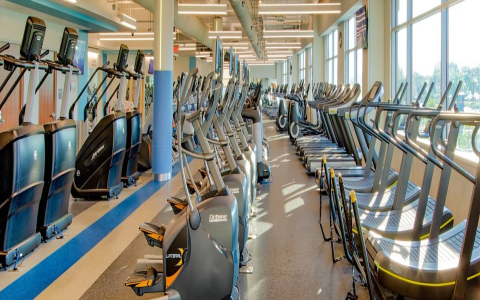
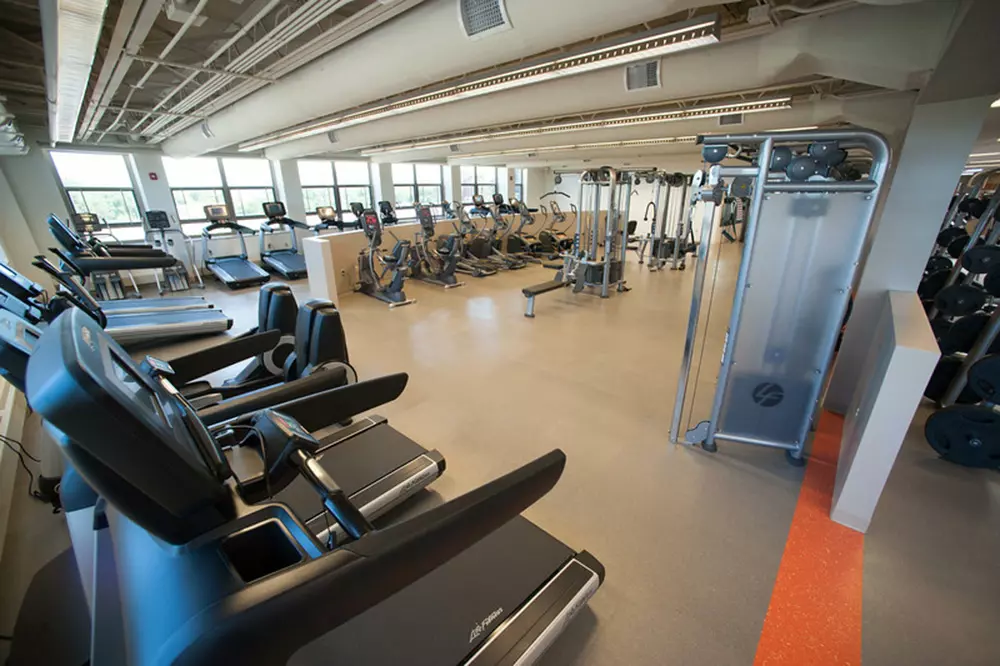
Physical health is a core component of well-being, directly influencing overall health and daily functioning. Regular physical activity reduces the risk of chronic diseases, improves cardiovascular health, enhances physical endurance, and supports mental wellness and cognitive function.
Key Observations from Research
Numerous studies highlight the positive impact of physical activity on well-being. Regular movement has been linked to higher levels of life satisfaction, reduced stress and anxiety, and better cognitive performance in people of all ages.
Mental Wellness and Well-being
The Link Between Mental Wellness and Well-being

Mental wellness is another critical pillar of well-being. People with strong mental wellness experience more positive emotions, have effective coping skills, and maintain healthier relationships. Mental well-being directly supports an individual’s ability to thrive in personal and professional settings.
Key Observations from Research
Research consistently shows that mental wellness is closely tied to overall well-being. Poor mental health can negatively impact physical activity levels and overall health, while exercise and supportive practices have been found to boost mental wellness and reduce symptoms of common mood challenges.
Social Connections and Well-being
The Role of Social Ties
Strong social connections are integral to well-being, fostering a sense of belonging, emotional support, and reduced stress. Positive relationships enhance mental health, contribute to better health outcomes, and improve overall quality of life.
Key Observations from Research
Studies have linked strong social ties to lower risk of health issues, better mental health, and reduced stress levels. Meaningful social interactions play a key role in maintaining long-term well-being.
The Interplay Between Well-being and Productivity
How Well-being Impacts Productivity
Well-being directly affects an individual’s productivity. People with strong well-being are more motivated, focused, and efficient at work. Conversely, poor well-being can lead to decreased productivity, higher absenteeism, and increased healthcare costs for employers.
Key Observations from Research
Research shows that well-being is closely linked to workplace performance. Employees with strong well-being have lower absenteeism rates and higher job satisfaction, while workplace wellness programs have been shown to improve productivity and reduce healthcare costs.
Conclusion
In conclusion, overall well-being is a multifaceted concept encompassing physical health, mental wellness, and social connections. It plays a crucial role in an individual’s health, productivity, and quality of life. By focusing on these dimensions, individuals and organizations can take proactive steps to enhance well-being and achieve better outcomes.
Recommendations and Future Focus
To deepen understanding of well-being, further exploration is needed in the following areas:
1. The long-term effects of well-being on health outcomes across diverse populations.

2. The role of technology in supporting and monitoring well-being.
3. Effective interventions to enhance well-being in different age groups and communities.
Additionally, individuals and organizations should prioritize these actions:
1. Encourage regular physical activity and promote healthy lifestyle choices.
2. Provide accessible mental health support and resources.
3. Foster strong social connections and supportive community environments.

By addressing these areas and prioritizing well-being, we can build a healthier, more productive, and happier society.


