


The Importance of Planetary Health: A Comprehensive Analysis
Introduction:
Planetary health has gained significant attention in recent years as the world addresses challenges like climate change, environmental degradation, and human health. This article explores its importance, examines its key dimensions, and presents evidence supporting the need for sustainable practices. Understanding the link between planetary health and human well-being helps develop strategies for a healthier future for both.
Understanding Planet Health
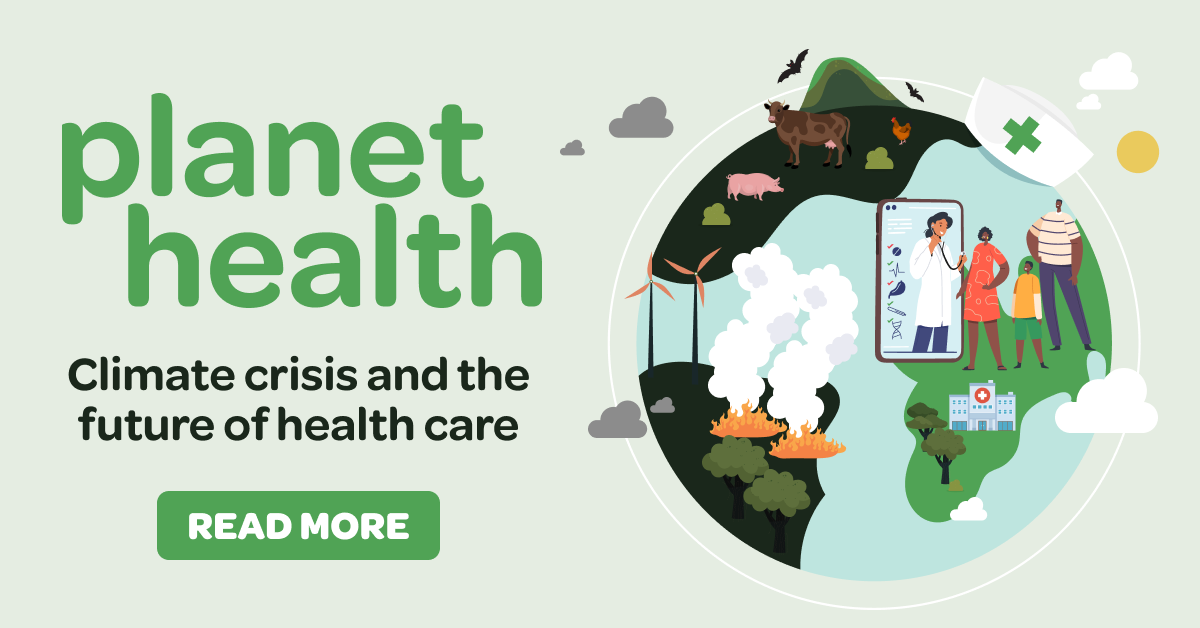
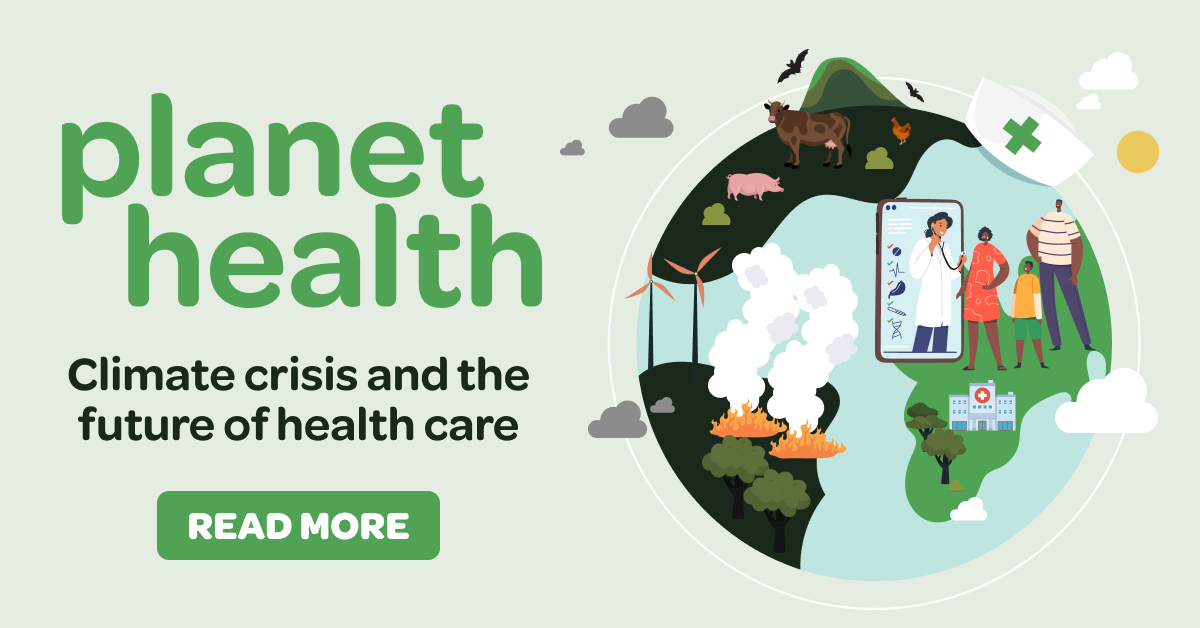
Planetary health refers to the overall well-being of Earth’s ecosystems, including natural resources, biodiversity, and their ability to provide essential services. It covers aspects like climate change, pollution, deforestation, and biodiversity loss. Planetary health directly affects human health, as we depend on these resources for food, water, and clean air.
The Interconnectedness Between Planet Health and Human Health
The link between planetary health and human health is undeniable. A healthy planet supports human survival and well-being. Key points include:
1. Climate Change: Rising global temperatures and extreme weather events threaten human health. Heatwaves, hurricanes, and floods can cause injuries, deaths, and the spread of infectious diseases.

2. Air Pollution: Air pollution, mainly from industrial activities and fossil fuel combustion, is a leading cause of respiratory and cardiovascular illnesses. It also contributes to millions of premature deaths annually.
3. Water Pollution: Contaminated water sources cause waterborne diseases like cholera, dysentery, and hepatitis. Depletion of freshwater resources also limits access to clean drinking water, leading to malnutrition and other health problems.
4. Biodiversity Loss: Biodiversity loss reduces essential ecosystem services like pollination, soil fertility, and disease control. This impacts food security and the availability of medicinal plants.
The Impact of Human Activities on Planet Health
Human activities have significantly impacted planetary health, often with negative consequences. Key areas of environmental degradation caused by human actions include:
1. Deforestation: Forest clearance for agriculture, logging, and urbanization causes habitat loss, soil erosion, and higher greenhouse gas emissions.
2. Overfishing: Unsustainable fishing practices deplete fish stocks, disrupt marine ecosystems, and harm the livelihoods of millions who rely on fishing.
3. Pollution: Industrial activities, agricultural runoff, and poor waste management contaminate air, water, and soil, risking health for humans and wildlife.
4. Energy Consumption: Dependence on fossil fuels for energy contributes to air pollution, climate change, and resource depletion.
The Need for Sustainable Practices
Adopting sustainable practices is critical for a healthy planet and human well-being. Key strategies include:
1. Renewable Energy: Shifting to renewable sources like solar, wind, and hydropower reduces greenhouse gas emissions and air pollution.
2. Sustainable Agriculture: Using practices like organic farming, agroforestry, and precision agriculture reduces soil erosion, protects biodiversity, and enhances food security.
3. Waste Management: Proper waste management (recycling, composting, waste reduction) minimizes pollution and conserves resources.
4. Conservation Efforts: Protecting natural habitats, preserving biodiversity, and restoring degraded ecosystems are key to planetary health.
Conclusion
In conclusion, planetary health is of utmost importance. Its direct impact on human well-being and their interconnectedness are undeniable. Adopting sustainable practices and addressing environmental degradation’s root causes ensures a healthier future for both humans and the planet. Collaboration between governments, organizations, and individuals is critical to promote planetary health and build a sustainable world.
Recommendations and Future Research Directions
To deepen understanding of planetary health and its impact on human well-being, the following recommendations and research directions are proposed:
1. Policy Development: Governments should create and implement policies promoting sustainable practices, including carbon pricing, renewable energy incentives, and protected areas.
2. Public Awareness and Education: Raising public awareness about planetary health’s importance and its human impact drives behavioral change and support for sustainable practices.
3. Ecosystem Services Research: Further research on ecosystem services’ value and their contribution to human well-being is key to effective conservation and management strategies.
4. Transdisciplinary Approaches: Fostering collaboration between scientists, policymakers, and diverse stakeholders creates more holistic, effective planetary health solutions.
Addressing planetary health challenges and promoting sustainable practices builds a healthier, more resilient world for future generations.



