

Beginner Pilates Workout at Home: A Comprehensive Guide
Introduction
Pilates is a well-loved exercise method that centers on strengthening core muscles, boosting flexibility, and enhancing overall body awareness. As home workouts grow in popularity, beginners now find it easier than ever to integrate Pilates into their fitness routines. This guide offers a complete overview of beginner Pilates at home, covering basics, benefits, and key tips for a successful practice.
Understanding Pilates
Pilates is a low-impact exercise system created by Joseph Pilates in the early 20th century. It emphasizes proper breathing, concentration, control, and precision. The movements are designed to improve strength, flexibility, and balance, while supporting healthy posture and reducing injury risk.
Benefits of Beginner Pilates Workout at Home
1. Improved Core Strength
A core focus of Pilates is strengthening the abdomen, lower back, and pelvic muscles. A strong core supports good posture, enhances athletic performance, and helps prevent injuries.
2. Enhanced Flexibility
Pilates movements stretch and lengthen muscles, which can boost flexibility. Better flexibility leads to a wider range of motion, reduced muscle stiffness, and lower injury risk.
3. Better Posture
Pilates strengthens the muscles that support the spine, improving posture. This can ease back pain, reduce injury risk, and increase overall body awareness.
4. Increased Body Awareness
Pilates prioritizes concentration and control, which sharpens body awareness. This translates to better coordination, balance, and overall fitness.
Getting Started with Beginner Pilates Workout at Home
1. Equipment Needed
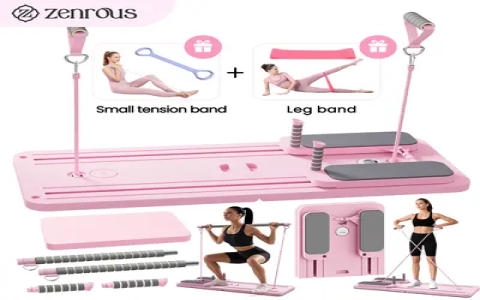
For a beginner home Pilates practice, you’ll need a yoga mat, a resistance band, and a small Pilates ball (or a rolled-up towel). These items are widely available at sporting goods stores or online.
2. Warm-Up
Always warm up before Pilates. Start with 5 minutes of light cardio (e.g., walking in place or arm circles), followed by dynamic stretches targeting major muscle groups (e.g., leg swings, cat-cow).
3. Basic Pilates Exercises
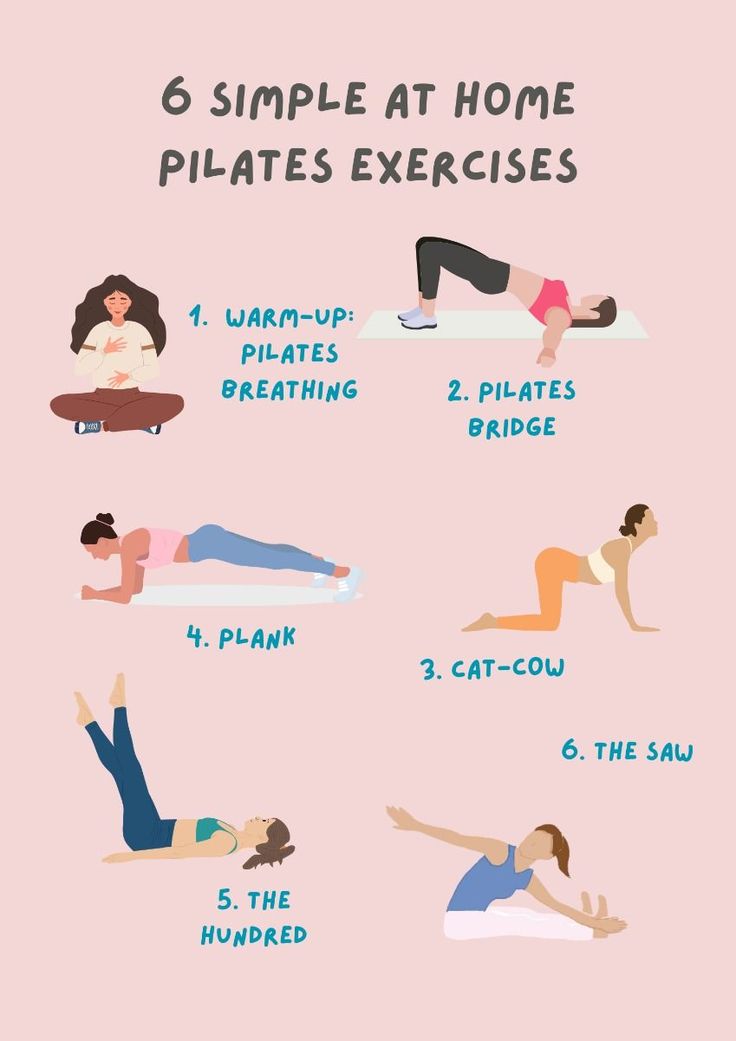
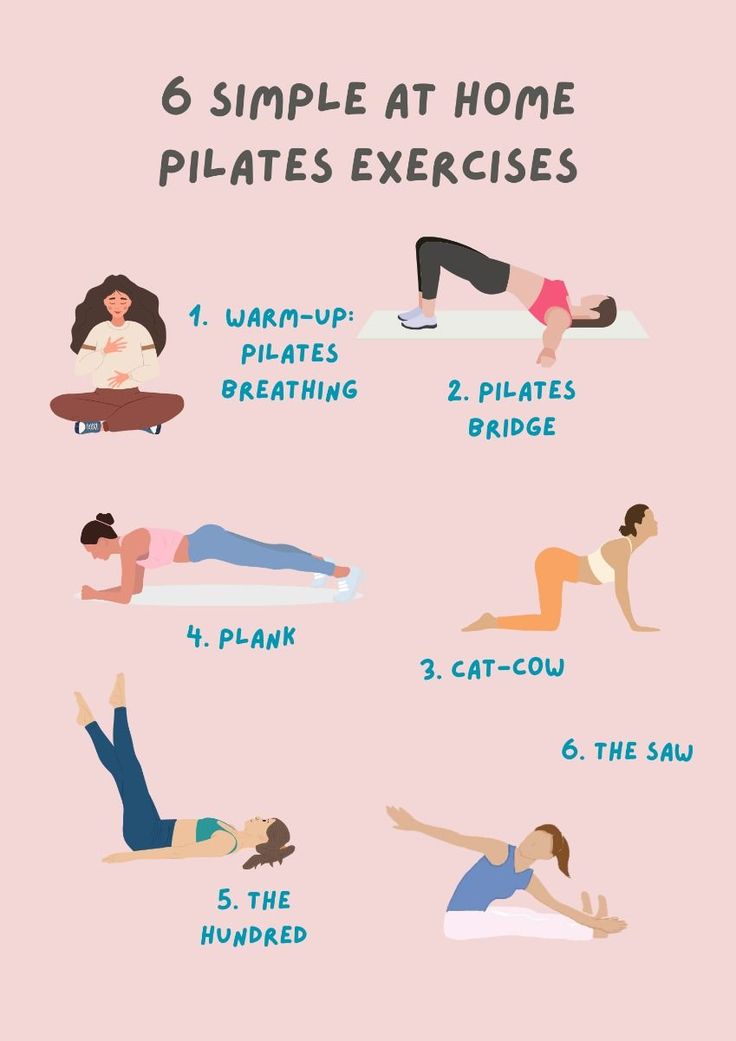
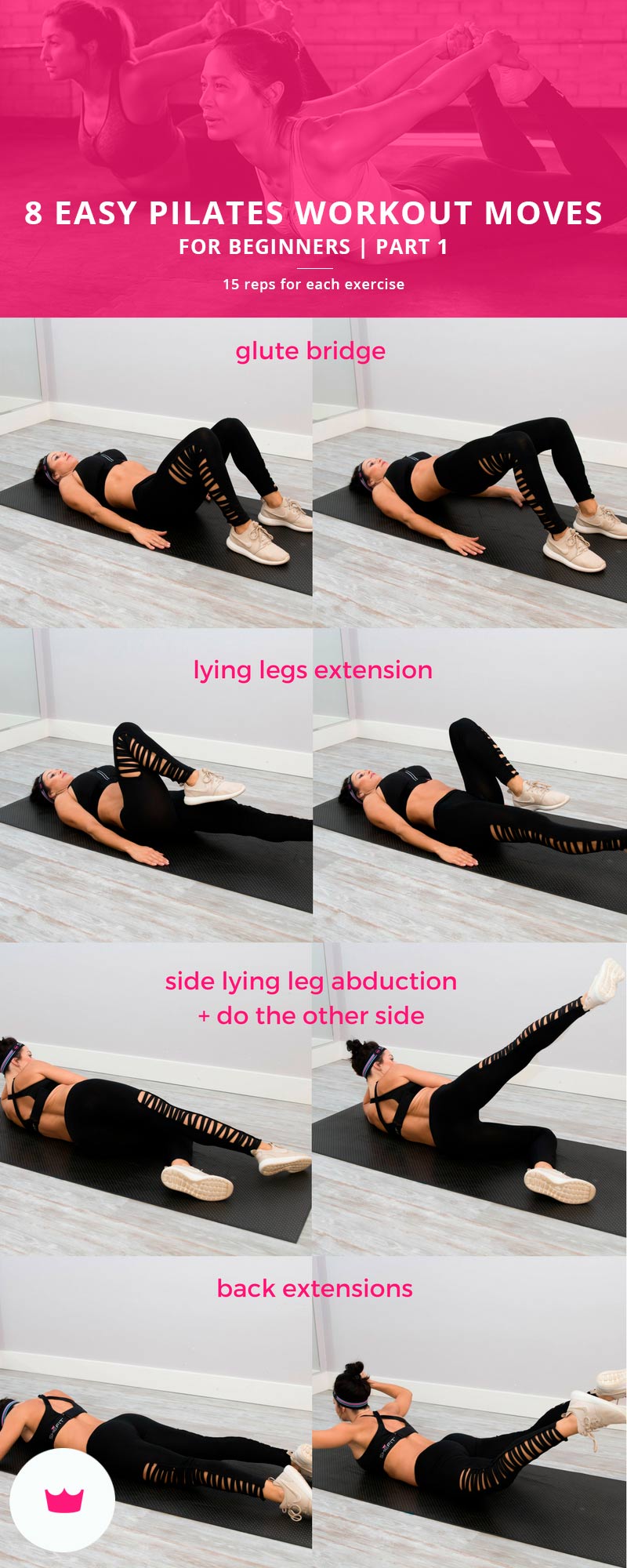
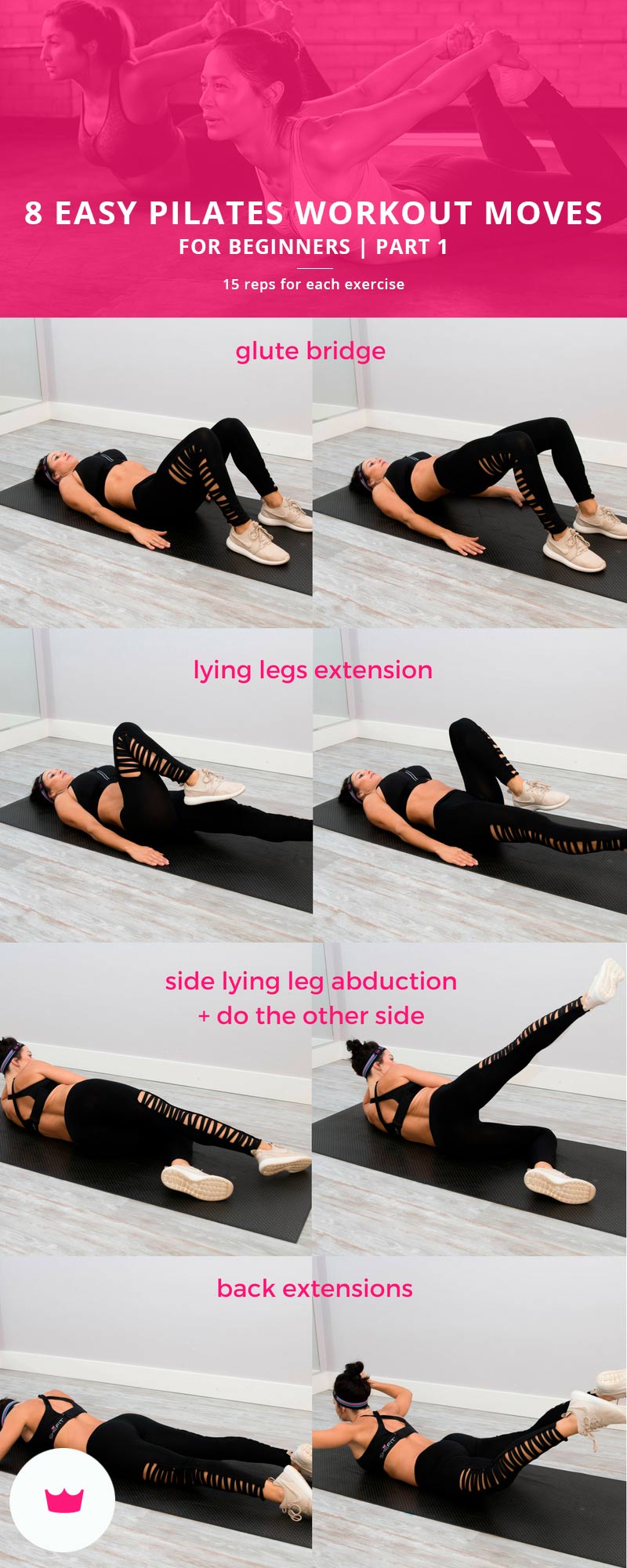
Here are simple, beginner-friendly Pilates moves:
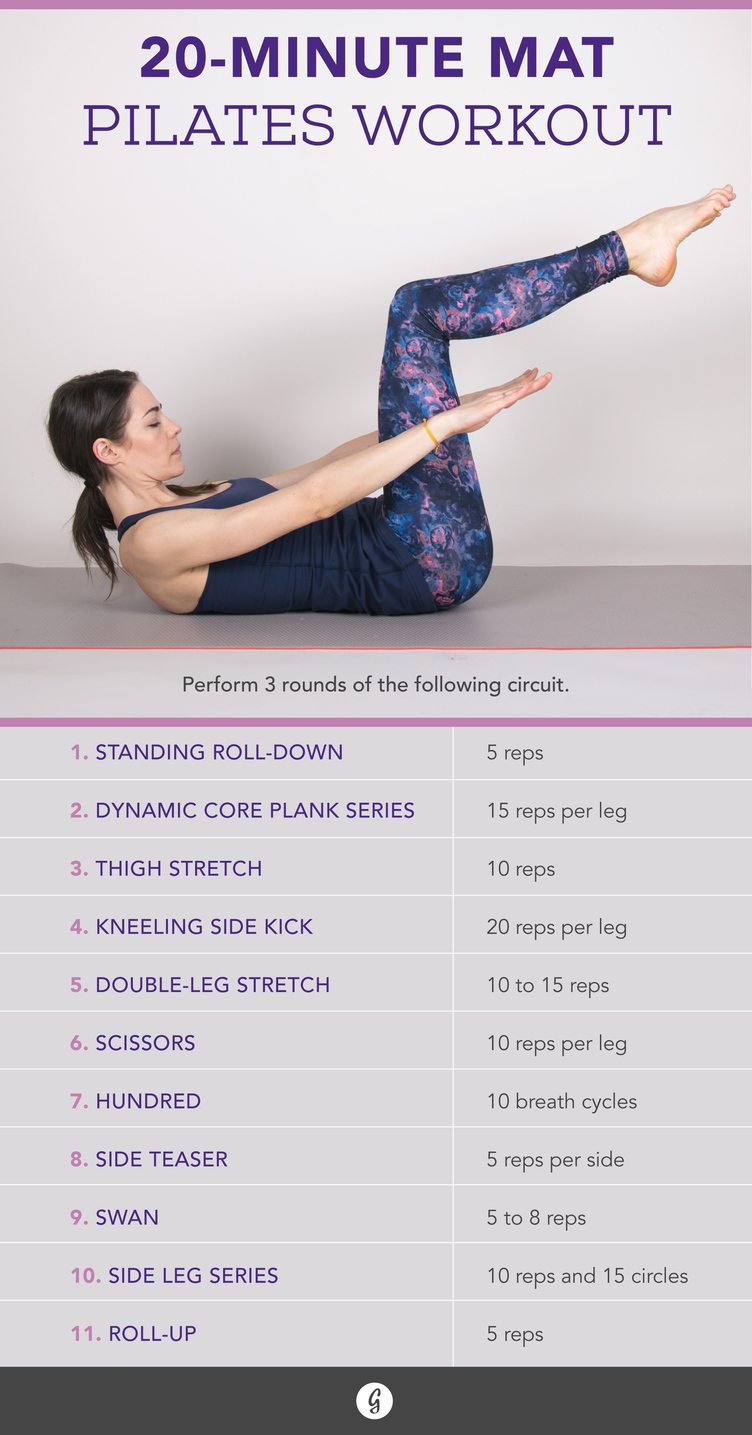
a. The Hundred
– Lie on your back with legs extended, arms by your sides.
– Lift legs to a 45-degree angle, then pump them up and down while breathing in for 5 counts and out for 5 counts (repeat 10 times for 100 total pumps).
– Keep your head, neck, and shoulders relaxed on the mat.
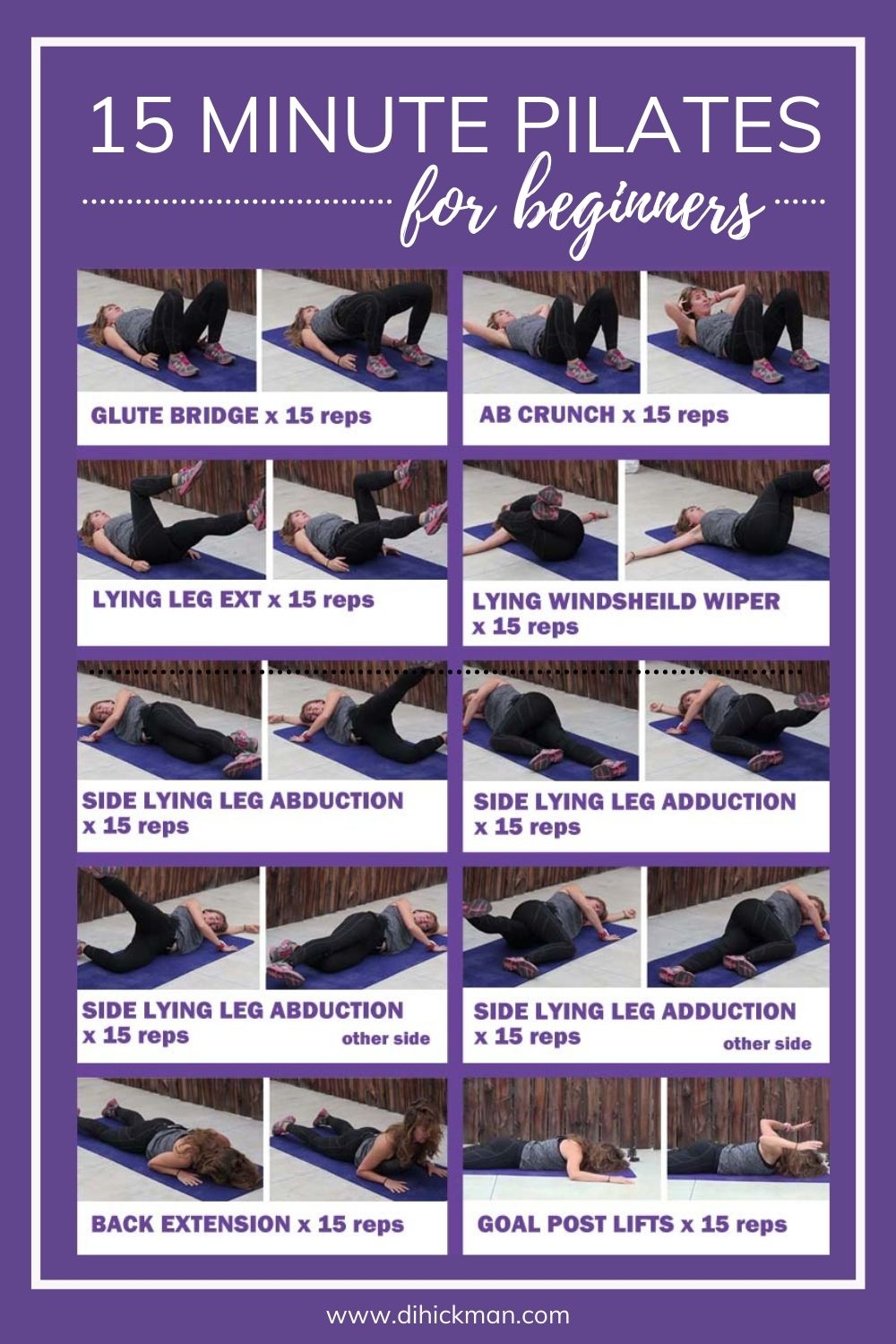
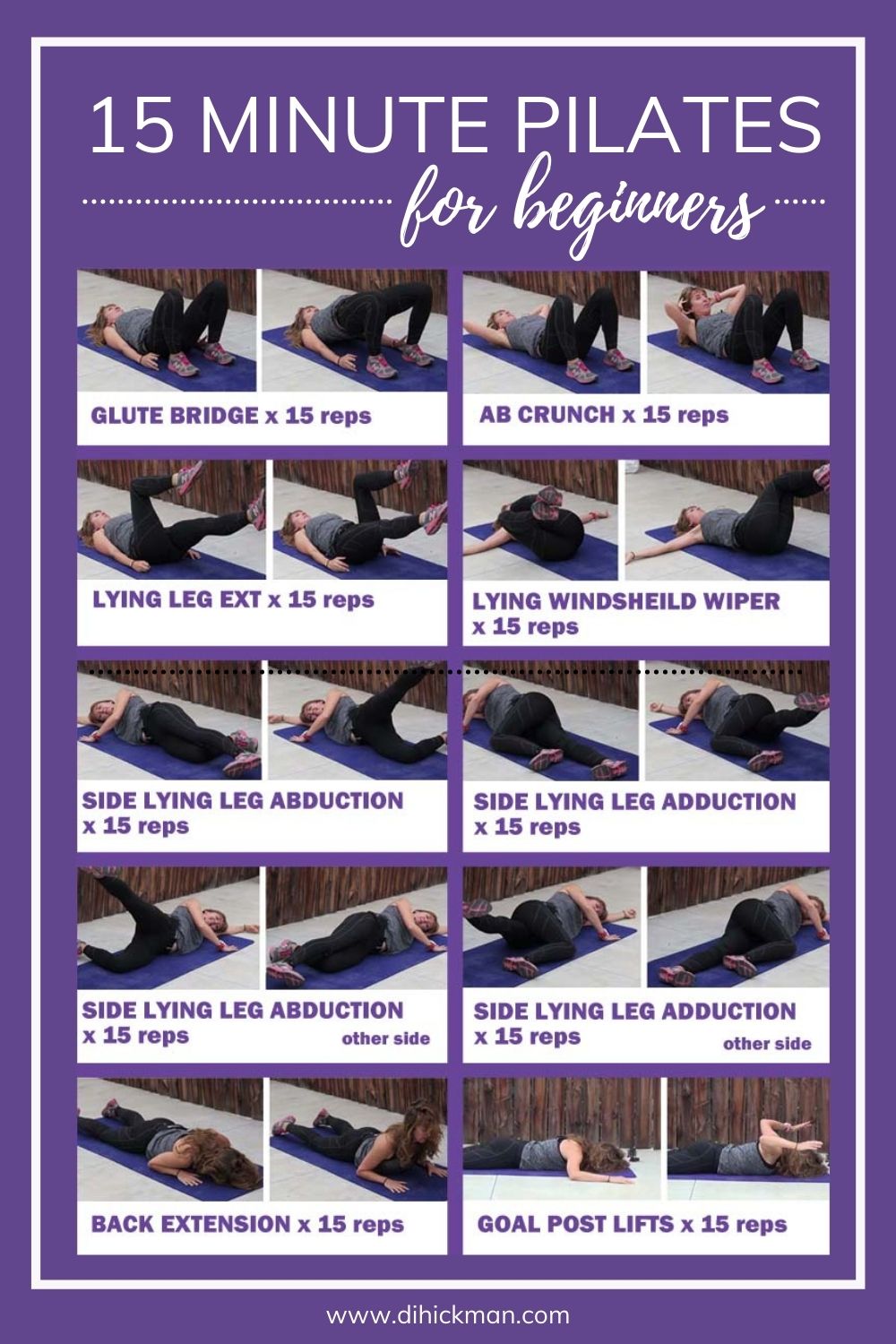
b. Pelvic Tilt
– Lie on your back with knees bent, feet flat on the mat, arms resting by your sides.
– Inhale to prepare, then exhale as you gently lift your pelvis off the mat (tucking your tailbone under).
– Hold for 2 seconds, then inhale to lower your pelvis slowly back to the mat.
– Repeat 8–10 times, keeping your lower back relaxed.
c. Single Leg Stretch
– Lie on your back with knees bent toward your chest, feet off the mat.
– Extend one leg straight to a 45-degree angle while keeping the other knee bent.
– Switch legs, extending the bent leg and bringing the straight leg back toward your chest.
– Continue alternating for 10–12 reps per leg, breathing steadily.
d. Roll-Up
– Sit on the mat with legs extended straight, feet flexed, arms reaching forward.
– Inhale to lengthen your spine, then exhale as you slowly roll back (vertebra by vertebra) until your upper back touches the mat.
– Inhale to prepare, then exhale as you roll back up, engaging your core to lift your torso.
– Repeat 5–8 times, moving slowly to focus on control.
4. Cool Down
After your workout, cool down with 5 minutes of static stretches (e.g., hamstring stretch, child’s pose) targeting the muscles you used.
Tips for a Successful Beginner Pilates Workout at Home
1. Consistency
Consistency is key to seeing results. Aim for 30-minute Pilates sessions 3–4 times per week.
2. Proper Form
Maintain correct form to avoid injury and maximize benefits. If unsure, watch reputable instructional videos or consult a certified Pilates instructor.
3. Gradual Progression
As you get comfortable with basics, slowly increase intensity (e.g., hold moves longer, add resistance). This keeps your body challenged and helps you progress.
Conclusion
A beginner home Pilates practice is a great way to boost core strength, flexibility, posture, and body awareness. By following these guidelines, you can build a safe, effective routine. Remember to stay consistent, focus on form, and progress gradually. With dedication, you’ll enjoy Pilates’ many benefits and a healthier, more balanced lifestyle.



