


The Growing Trend of Fitness Franchising: A Comprehensive Analysis
Introduction
The fitness industry has undergone a remarkable transformation over recent decades, as more people prioritize their health and wellness. This shift has fueled the growth of fitness franchising—a business model that has gained significant traction globally. This article explores the concept of fitness franchising, its key benefits, challenges, and future outlook. By examining various facets of this expanding industry, we provide a comprehensive analysis of fitness franchising and its influence on the global market.
What is Fitness Franchising?
Definition and Concept
Fitness franchising involves a fitness brand granting an independent franchisee the rights to operate under its name and follow its established business model. In exchange, the franchisee pays an initial fee and ongoing royalties to the franchisor, who provides brand access, operational support, and training. This model has grown in popularity in the fitness sector due to its scalability, strong brand recognition, and tested business framework.
Types of Fitness Franchises
There are diverse types of fitness franchises available, tailored to different market segments and fitness preferences. Some of the most prevalent categories include:
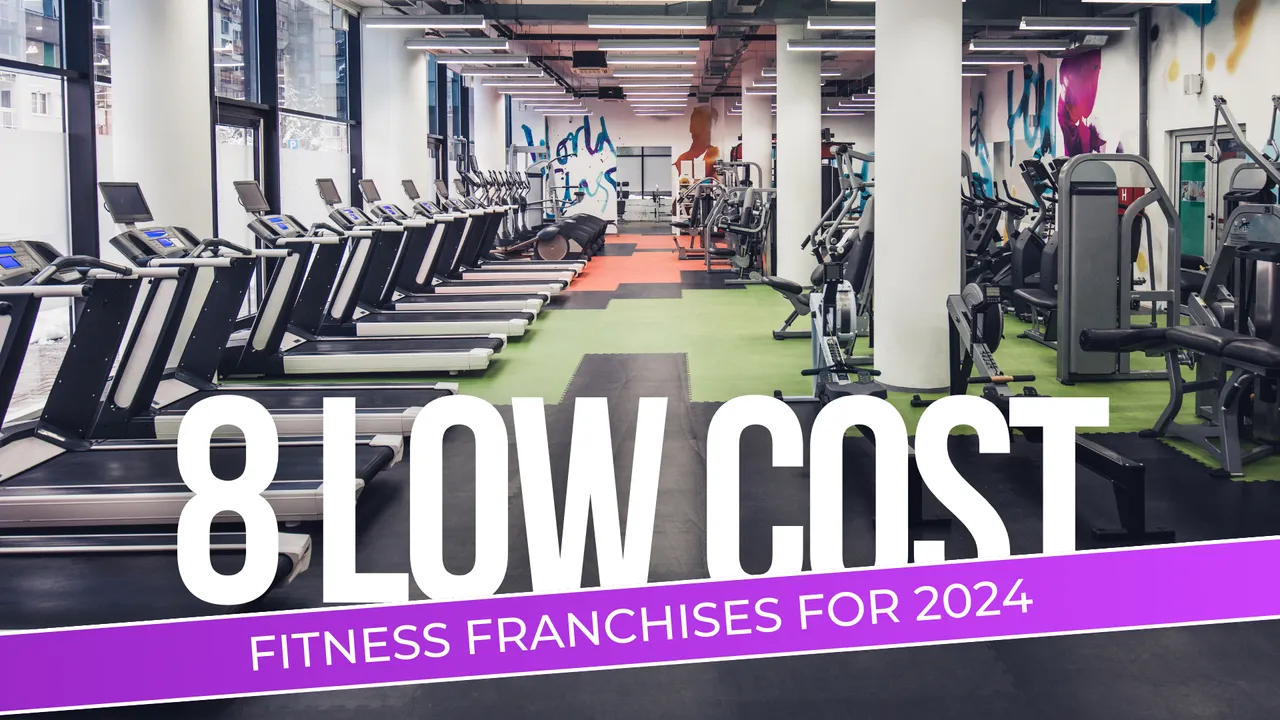
– Gyms and fitness centers
– Personal training studios
– Yoga and Pilates studios
– Boot camps and group fitness classes
– Health and wellness centers
Benefits of Fitness Franchising
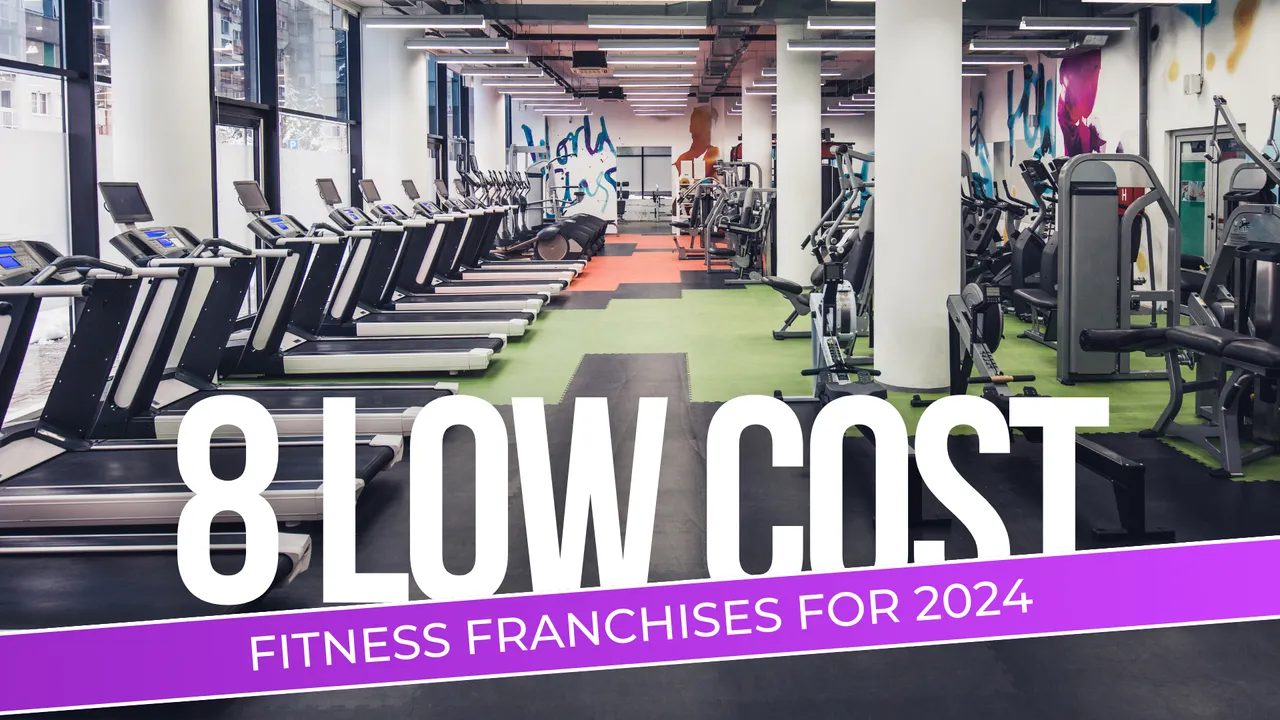
Scalability and Growth Potential
One key benefit of fitness franchising is its scalability. Franchisees can replicate the franchisor’s successful business model, enabling rapid expansion into new markets. This scalability has allowed fitness brands to grow exponentially, capturing a notable share of the global fitness market.
Brand Recognition and Credibility
Established fitness brands have strong reputations and wide recognition, which franchisees can leverage. This recognition helps attract customers and build trust in local communities, making it simpler for franchisees to launch and grow their businesses.
Operational Support and Training
Franchisors offer comprehensive training and operational support to franchisees, ensuring they can run their businesses effectively. This support includes marketing strategies, staff training, and ongoing guidance—all of which help maintain consistency across all franchise locations.
Challenges of Fitness Franchising
High Initial Investment Costs
A major challenge of fitness franchising is the high initial investment required. Franchisees must pay an upfront fee, plus costs for leasing or purchasing space, equipment, and staffing. This can act as a barrier for aspiring entrepreneurs looking to enter the fitness industry.
Market Saturation
The fitness industry’s rapid growth has led to market saturation in some regions. This increased competition can make it difficult for new franchisees to launch their businesses and secure a meaningful market share.

Operational Control
Franchisees operate under the franchisor’s brand and model, meaning they have limited control over certain business aspects. This can lead to potential conflicts and challenges in decision-making processes.
Case Studies and Success Stories
A Leading 24-Hour Access Fitness Franchise
This franchise chain is known for its focus on convenience, offering round-the-clock access to facilities and a diverse range of fitness options for members. Its success has allowed it to expand widely across regions, resonating with customers who value flexible workout times.
A Popular HIIT Fitness Franchise
This franchise specializes in high-intensity interval training (HIIT) and has seen rapid growth since its launch. Its unique model, blending group classes with personalized training elements, has helped it build a large and loyal customer following.
Future Prospects of Fitness Franchising
Technological Integration
Technological integration is expected to drive further growth in the fitness franchising industry. Innovations like wearable fitness trackers, mobile apps, and virtual training sessions are likely to become more common, enhancing the customer experience and attracting new members.

Focus on Health and Wellness
As people globally become more health-conscious, demand for fitness and wellness services is expected to continue growing. Fitness franchises that prioritize holistic health and wellness solutions are likely to thrive in this evolving market.
Conclusion
Fitness franchising has emerged as a powerful, dynamic business model in the fitness industry. Its scalability, strong brand recognition, and operational support make it an appealing option for entrepreneurs entering the market. However, potential franchisees should be aware of challenges like high initial investment costs, market saturation, and limited operational control. As the industry evolves, technological integration and a focus on holistic health and wellness are expected to drive further growth. By understanding the key factors contributing to franchise success, both franchisors and franchisees can navigate this dynamic sector and achieve long-term success.



