
The Impact of Zumba Workout on Physical and Mental Health
Introduction
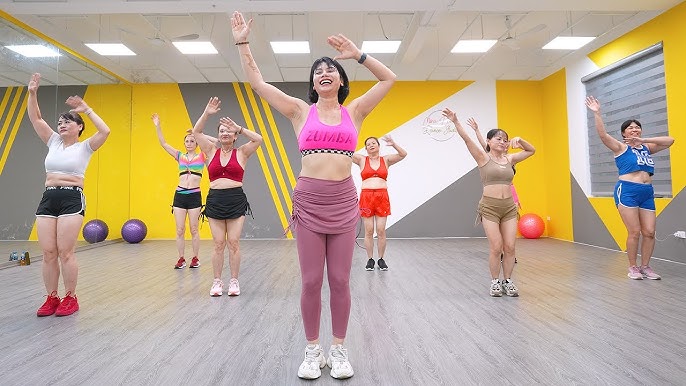
Zumba, a dance-based fitness program, has grown extremely popular globally. Merging aerobic exercise with Latin and international music, it offers a fun, effective way to stay fit. This article explores Zumba’s benefits, focusing on its effects on physical and mental health. Drawing on existing research and expert insights, we provide a comprehensive look at why adding Zumba to your fitness routine can be valuable.
Physical Benefits of Zumba Workout
Improved Cardiovascular Health
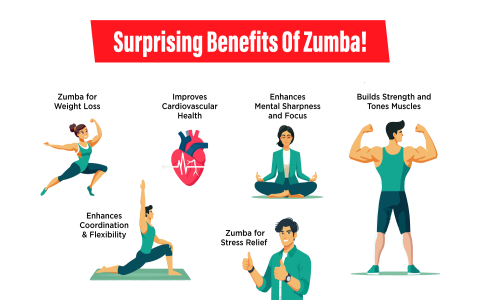
Zumba is an excellent cardiovascular exercise that supports heart health. Its high-intensity movements and upbeat music boost heart rate, enhancing circulation and oxygen flow to the body’s tissues, which can improve overall cardiovascular fitness.
Increased Muscle Strength and Endurance
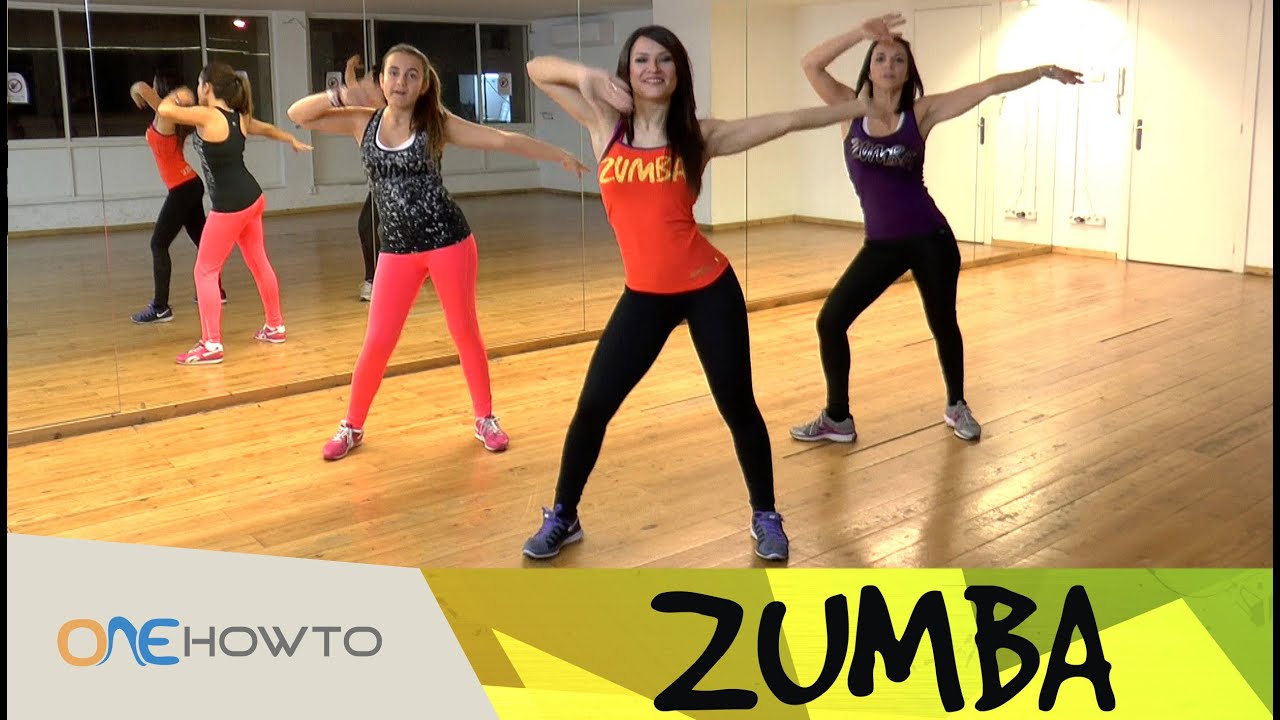
Zumba includes a range of dance moves that target various muscle groups. This whole-body approach helps build muscle strength and endurance. Its dynamic nature keeps the entire body active, supporting overall muscle development.
Weight Loss and Management
Zumba is an effective tool for weight loss and management. The mix of aerobic exercise and calorie-burning dance moves makes it efficient for shedding extra pounds. Its fun, energetic vibe helps people stick to regular workouts, supporting long-term weight management.
Enhanced Flexibility and Balance
Zumba features a variety of dance moves that demand flexibility and balance. This aspect boosts joint mobility and stability, lowering injury risk. Its dynamic movements challenge the body in different ways, supporting overall physical well-being.
Mental Health Benefits of Zumba Workout
Stress Reduction
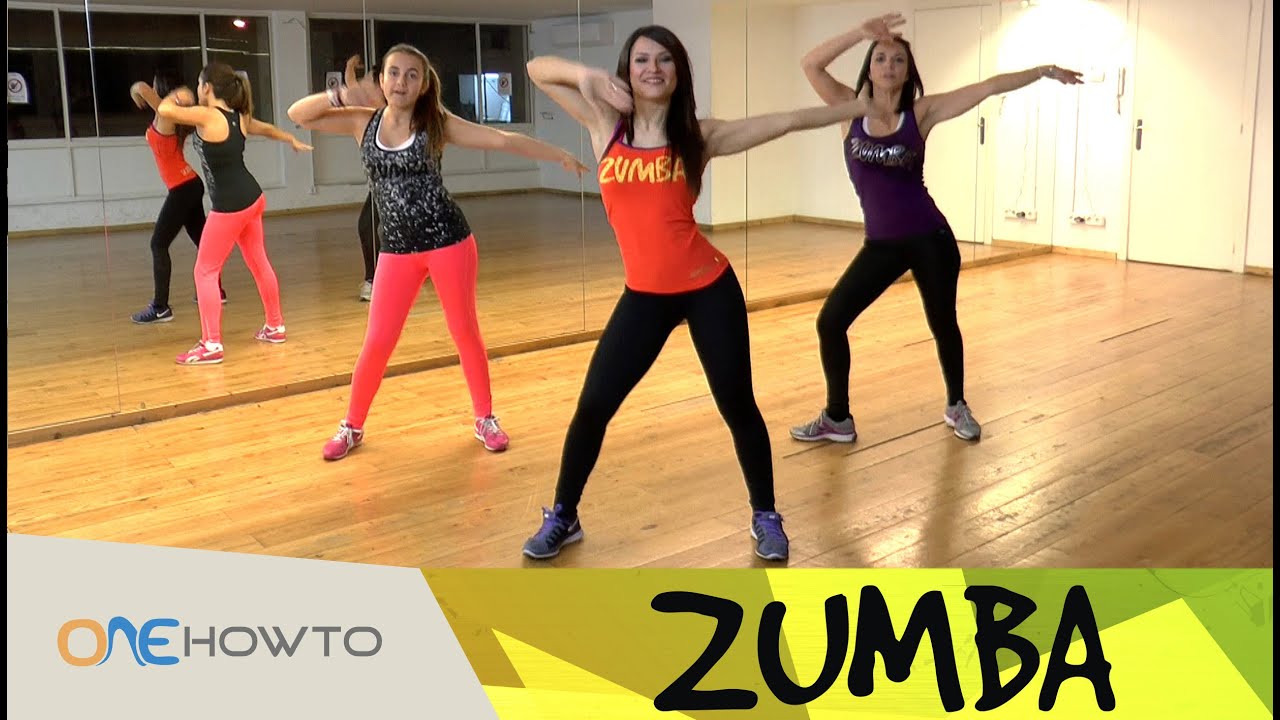
Zumba is a great way to reduce stress. Its upbeat music, energetic moves, and social interaction create a positive, enjoyable environment. The mix of physical activity and mental engagement helps release endorphins—your body’s natural mood boosters—lowering stress levels.
Improved Mood and Self-Esteem
Zumba’s fun, energetic nature can boost mood and self-esteem. The sense of achievement from dancing and the joy of the activity can lift positive emotions, reduce negative feelings, and enhance overall well-being.
Social Interaction and Community Building
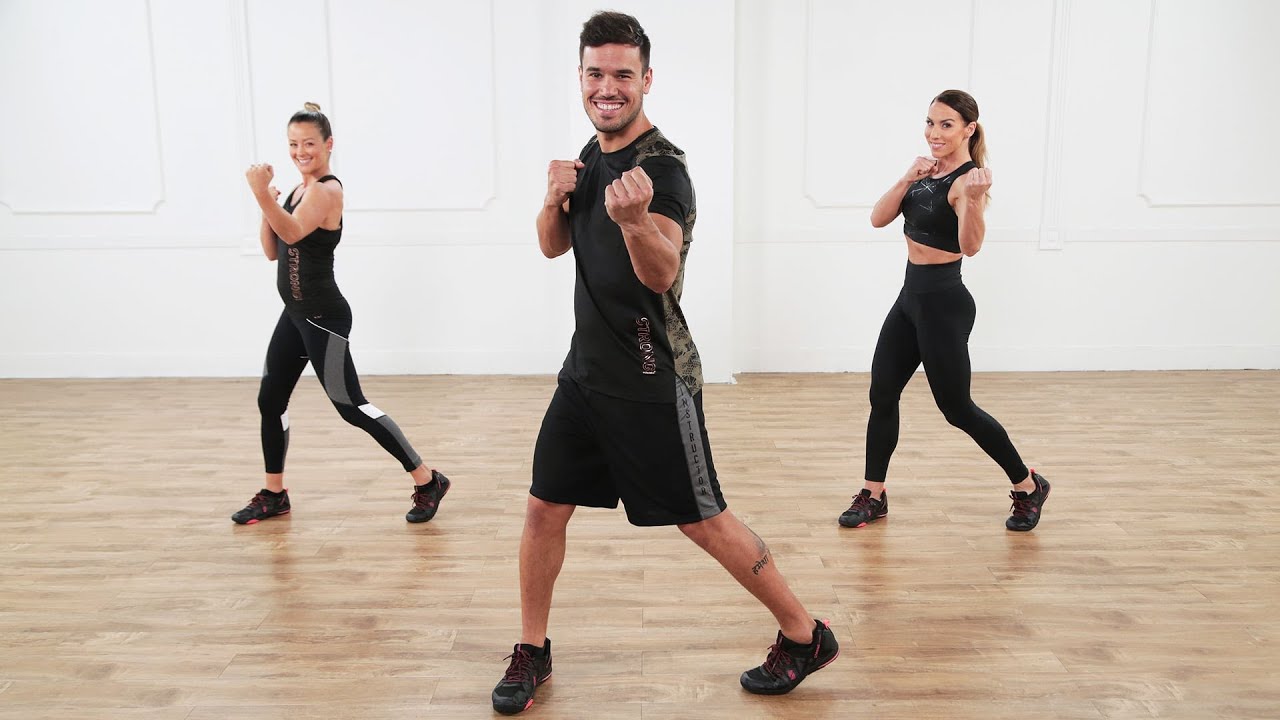
Zumba offers great chances for social interaction and community building. Its group class setting lets people connect with others who have similar fitness goals, fostering a sense of belonging and support. This social aspect makes it easier to stick to regular workouts.
Conclusion
In conclusion, Zumba offers many benefits for both physical and mental health. The mix of aerobic exercise, dance moves, and music creates a fun, effective workout that helps people reach their fitness goals. Adding Zumba to your routine can lead to better cardiovascular health, stronger muscles and endurance, weight management, increased flexibility and balance, reduced stress, improved mood and self-esteem, and more social connection. As Zumba grows in popularity, it’s important to recognize its potential as a valuable tool for overall well-being.
Recommendations and Future Research
To further promote the benefits of Zumba workout, it is recommended that:
1. Zumba classes be made more accessible to a wider audience, including individuals with disabilities and those living in remote areas.
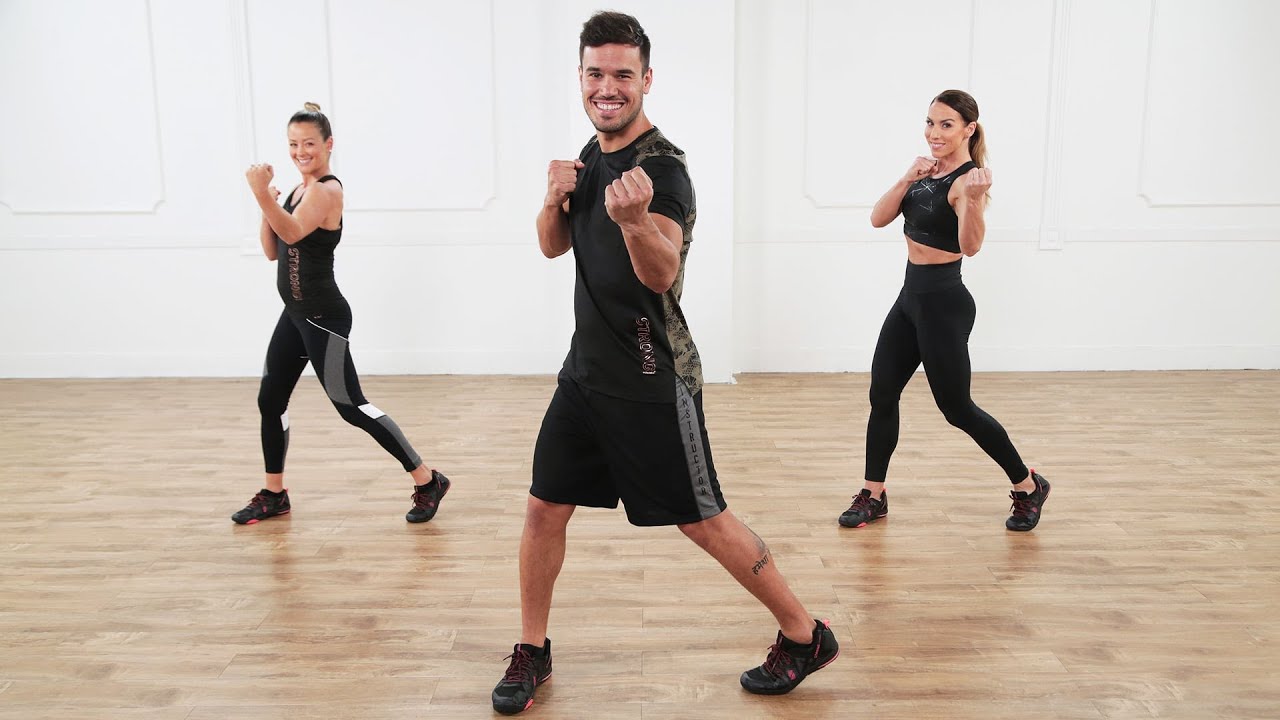
2. More research be conducted to explore the long-term effects of Zumba workout on physical and mental health.
3. Zumba instructors receive proper training to ensure the safety and effectiveness of their classes.
In the future, research should focus on the following areas:
1. The impact of Zumba workout on specific populations, such as pregnant women, older adults, and individuals with chronic diseases.
2. The effectiveness of Zumba workout in preventing and managing mental health disorders.
3. The role of Zumba workout in promoting social inclusion and community cohesion.