


The Impact and Importance of Athletic Classes in Education
Introduction
Athletic classes have long been a core component of educational institutions, offering students a balance between academic rigor and physical activity. These classes are not solely focused on physical fitness—they play a critical role in students’ holistic development. This article explores the significance of athletic classes, their benefits, and their impact on students’ lives. By examining various aspects, we will explore why these classes are essential to the educational curriculum.
The Role of Athletic Classes in Physical Development
Physical Fitness and Health Benefits
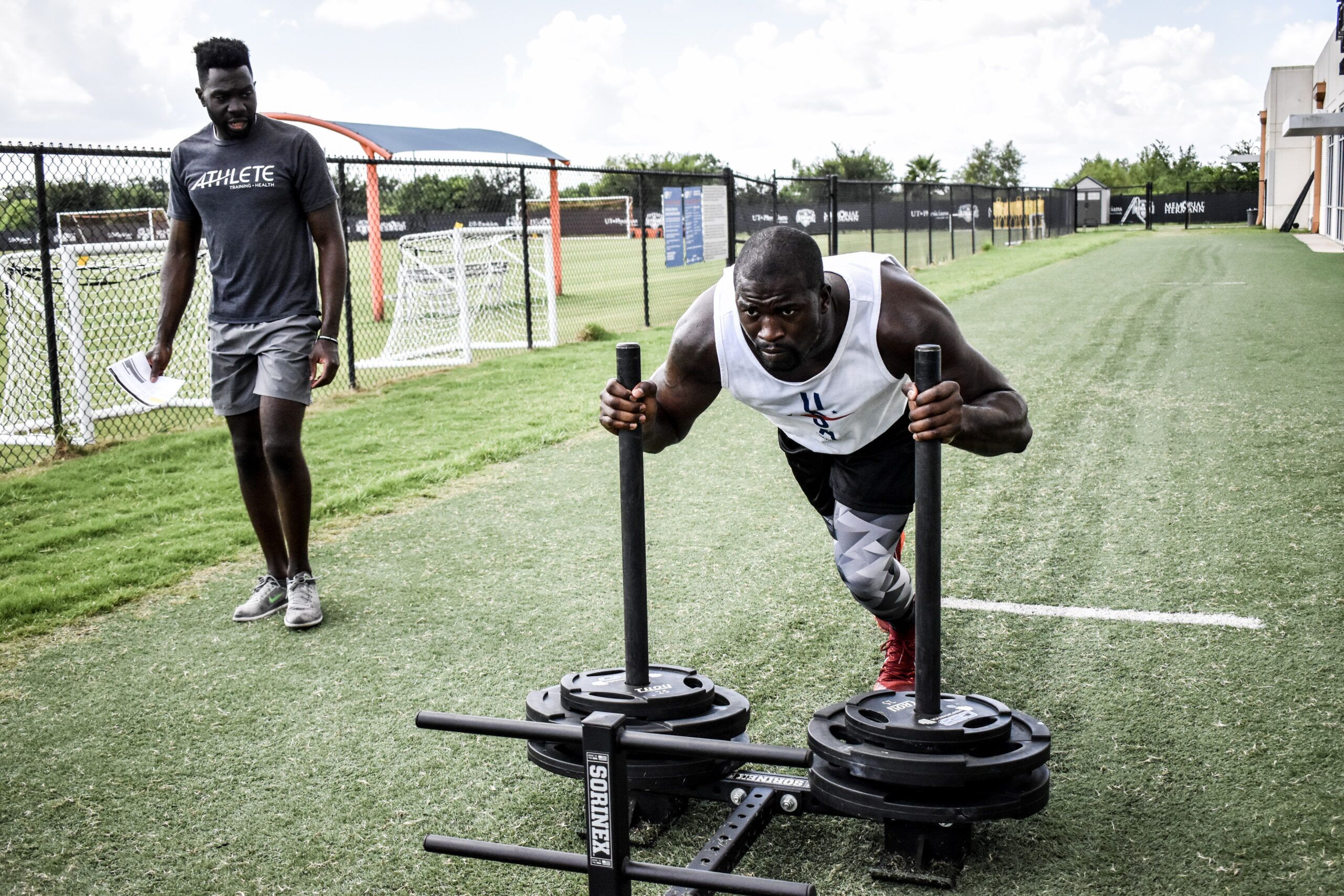
One of the primary reasons for including athletic classes in the curriculum is to promote physical fitness and overall health. Regular participation in sports helps students maintain a healthy weight, boost cardiovascular health, and build muscle strength and endurance. Research indicates that physical activity can lower the risk of chronic conditions like obesity, diabetes, and heart disease.
Motor Skills and Coordination
Athletic classes also support the development of motor skills and coordination. Sports require students to use their bodies in diverse ways, which enhances balance, agility, and flexibility. For instance, playing basketball involves coordinating hand-eye and foot-eye movements—skills that can translate to improved academic performance.
The Psychological Benefits of Athletic Classes
Stress Reduction and Mental Health
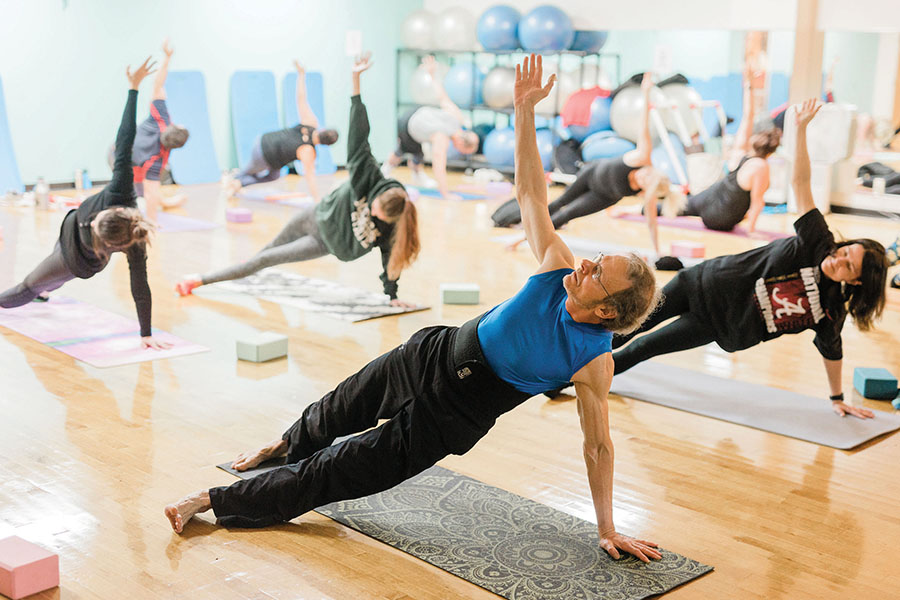
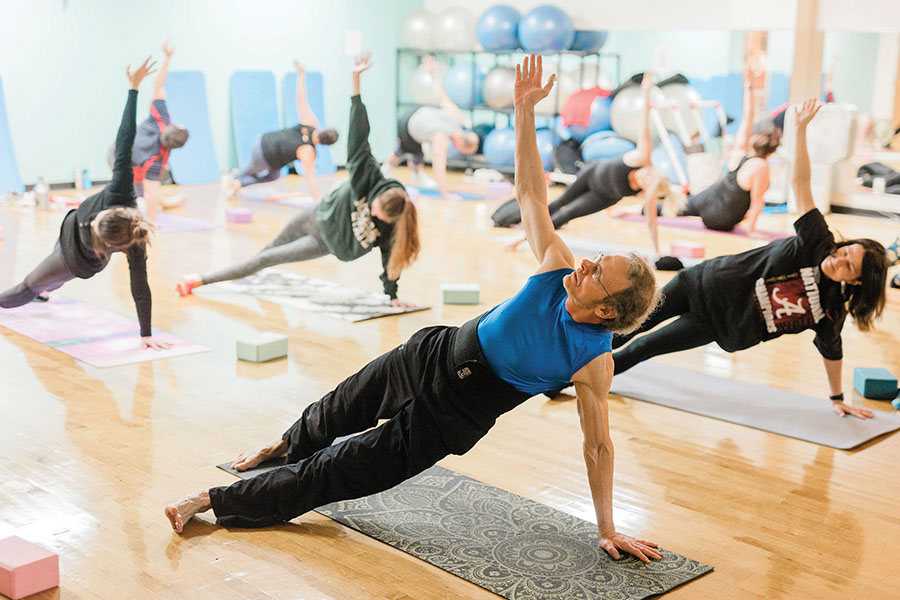
Physical activity is proven to reduce stress and enhance mental health. Athletic classes offer students a healthy way to release tension and anxiety, supporting better emotional well-being. Studies show that regular exercise can ease symptoms of depression and anxiety, and boost overall mood.
Confidence and Self-Esteem
Taking part in athletic classes can significantly boost students’ confidence and self-esteem. When students succeed in sports, they gain a sense of accomplishment and pride in their abilities—feelings that translate to higher self-worth and a more positive outlook on life.
Social and Emotional Development through Athletic Classes
Teamwork and Collaboration
Athletic classes encourage teamwork and collaboration, as students often work together to reach a shared goal. This nurtures social skills like communication, empathy, and leadership. Studies indicate that students who play team sports are more likely to build strong social connections and maintain positive interpersonal relationships.
Resilience and Perseverance
Sports often push students to face challenges and setbacks. In athletic classes, students learn the value of resilience and perseverance as they overcome obstacles and keep striving for success. This helps them develop a growth mindset and adapt to different life situations.
The Academic Benefits of Athletic Classes
Improved Academic Performance
Contrary to common belief, athletic classes can actually enhance academic performance. Research shows that students who participate in sports often have higher grades and better attendance. This is likely because sports help develop greater focus, discipline, and time management skills.
Enhanced Cognitive Function
Physical activity is linked to improved cognitive function, including memory, attention, and problem-solving skills. Athletic classes offer a break from traditional academic subjects, letting students engage in activities that stimulate their minds and boost cognitive abilities.
Conclusion
In conclusion, athletic classes are a vital part of the educational curriculum. They offer a range of benefits: physical fitness, improved mental health, social and emotional growth, and enhanced academic performance. By including athletic classes in their curricula, educational institutions can help students gain a well-rounded education and prepare for life’s challenges. It is crucial for schools to recognize the value of these classes and continue supporting and promoting them.
Recommendations and Future Research
To further enhance the impact of athletic classes, schools should consider the following recommendations:
– Provide a diverse range of sports and activities to cater to different interests and abilities.
– Ensure that athletic classes are accessible to all students, regardless of their background or socioeconomic status.
– Collaborate with local sports organizations and community centers to offer additional opportunities for students to engage in sports.
Future research should focus on the long-term impacts of athletic classes on students’ lives, as well as best practices for implementing these programs in schools. By continuing to explore the benefits of athletic classes, we can ensure they remain an integral part of the educational experience for students globally.



