


Best Workouts for Teens: A Comprehensive Guide to Physical Fitness
Introduction
Physical fitness plays a crucial role in a teenager’s development, influencing their physical health, mental well-being, and overall quality of life. As adolescents navigate the complexities of growth and hormonal shifts, it’s vital to offer them a workout plan that is both effective and safe. This article explores the best workouts for teens, taking into account their unique needs and developmental stages. By providing a comprehensive guide, we aim to empower parents, coaches, and teens themselves to make informed choices about their fitness routines.
Understanding Teenage Development
Physical Development
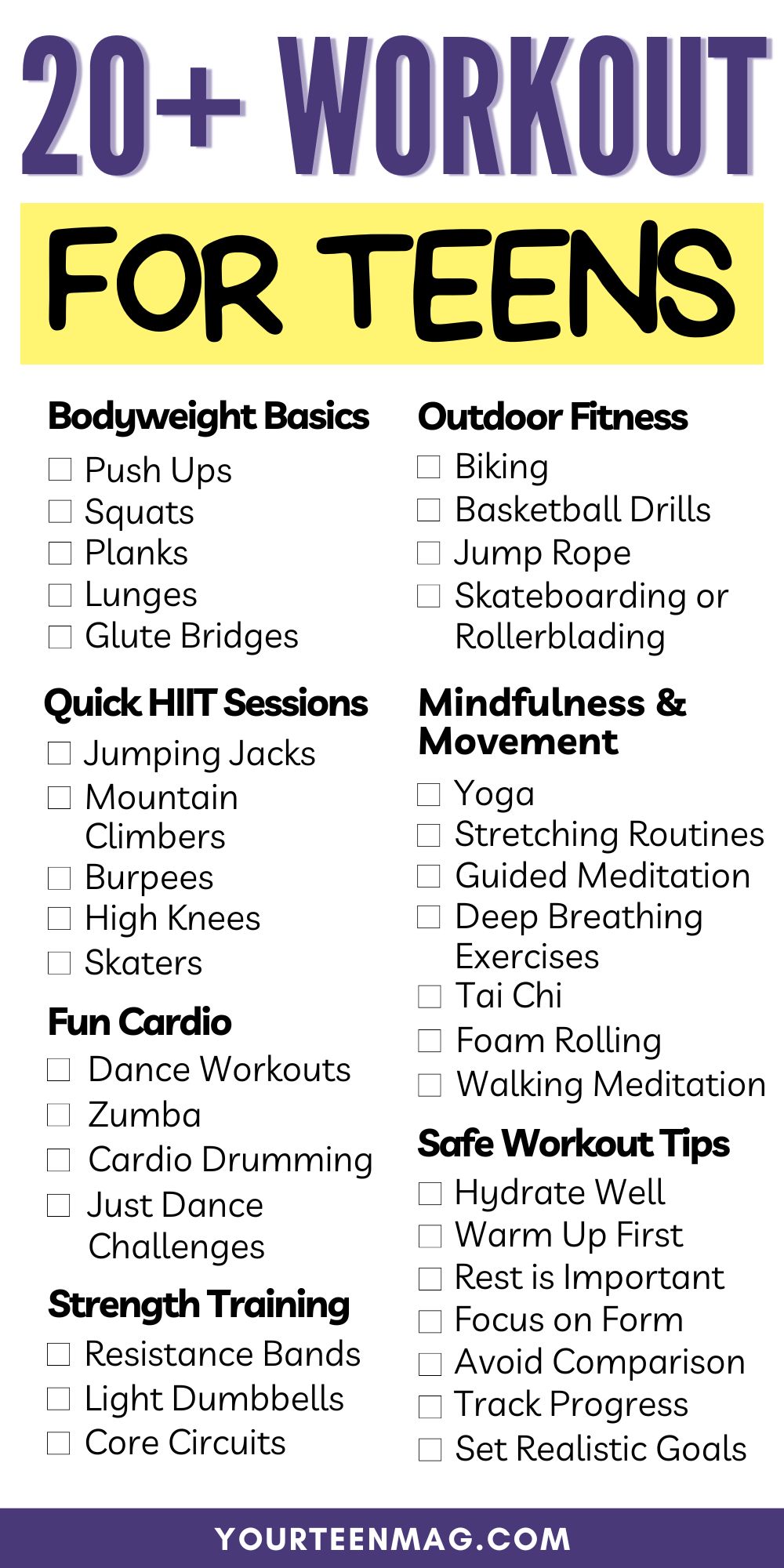
Teens undergo rapid physical growth during adolescence, including changes in height, weight, and muscle mass. It’s important to adjust workouts to support these changes and avoid activities that may cause injury. Research suggests adolescents should participate in activities that boost flexibility, strength, and cardiovascular fitness.
Mental Development
Mental health is equally critical during the teenage years. Exercise has a positive effect on mental well-being, helping to reduce symptoms of anxiety and depression. Research indicates regular physical activity can enhance self-esteem and cognitive function in teens.
The Best Workout for Teens: Key Components
Cardiovascular Exercise
Cardiovascular exercise—like running, cycling, or swimming—is key for building a strong heart and lungs. It also supports healthy weight maintenance and lowers the risk of chronic diseases later in life. Experts recommend teens get at least 60 minutes of moderate to vigorous physical activity most days of the week.
Strength Training
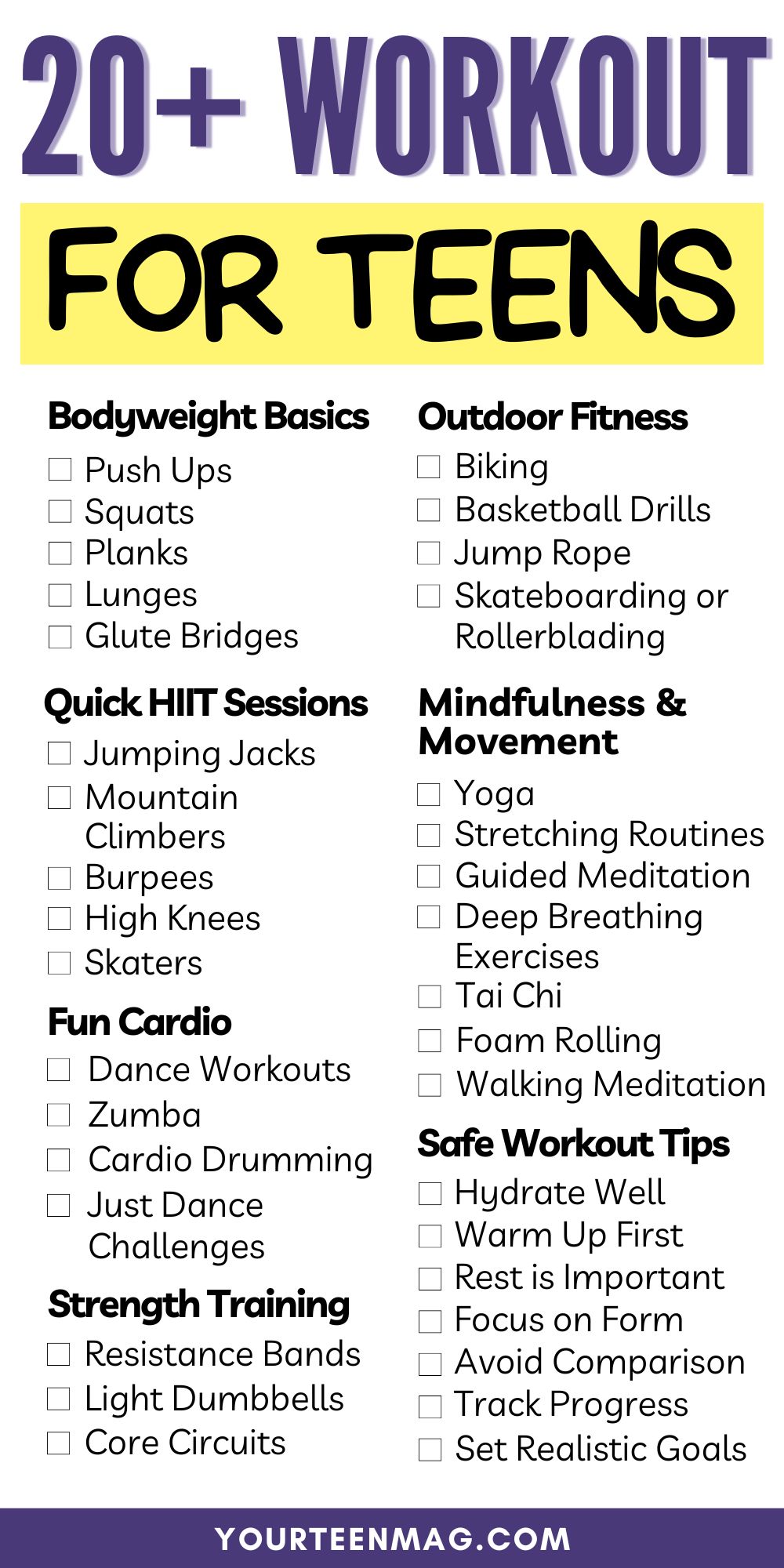
Strength training is vital for building muscle and bone density, especially during adolescence. Experts suggest teens should do strength training exercises at least two to three days a week, targeting major muscle groups.
Flexibility and Balance
Flexibility and balance exercises—like yoga or Pilates—improve overall body awareness and lower injury risk. These activities also boost relaxation and mental well-being. Research shows adding flexibility training to a workout routine can enhance performance and reduce musculoskeletal injury risk.
Best Workout for Teens: Specific Exercises
Cardiovascular Exercises
– Running: A great way to boost cardiovascular fitness and endurance.
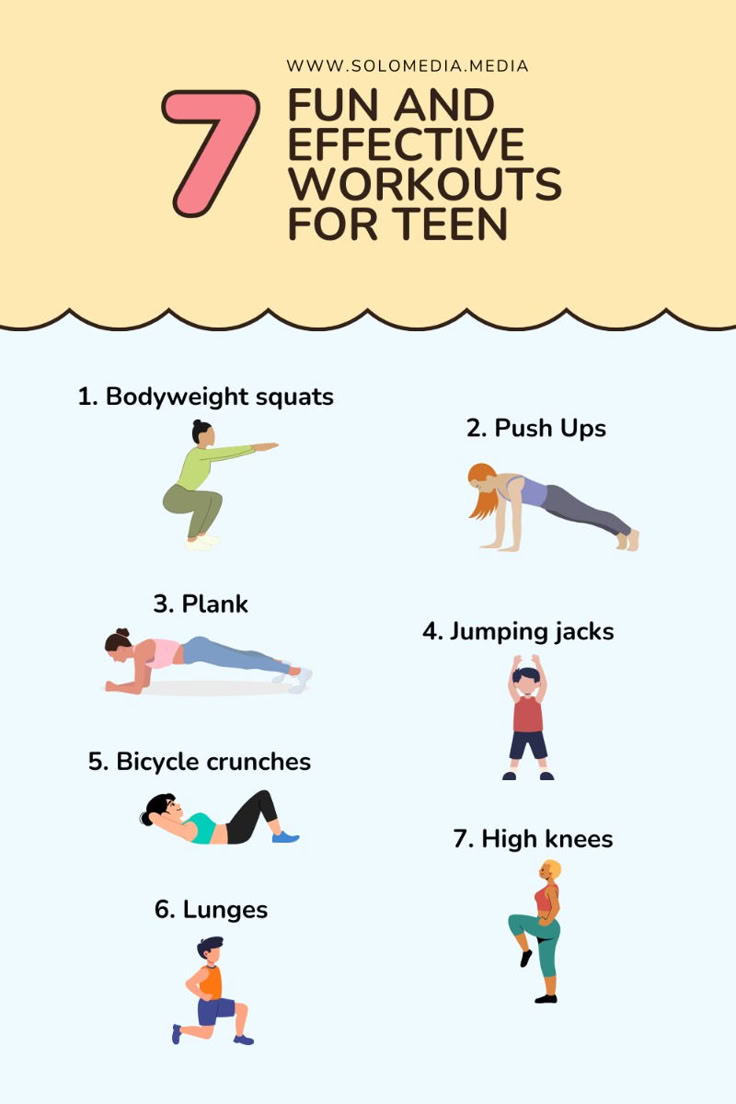
– Cycling: Offers a low-impact option for those with joint concerns.
– Swimming: Excellent for full-body conditioning and muscle strength.
Strength Training Exercises
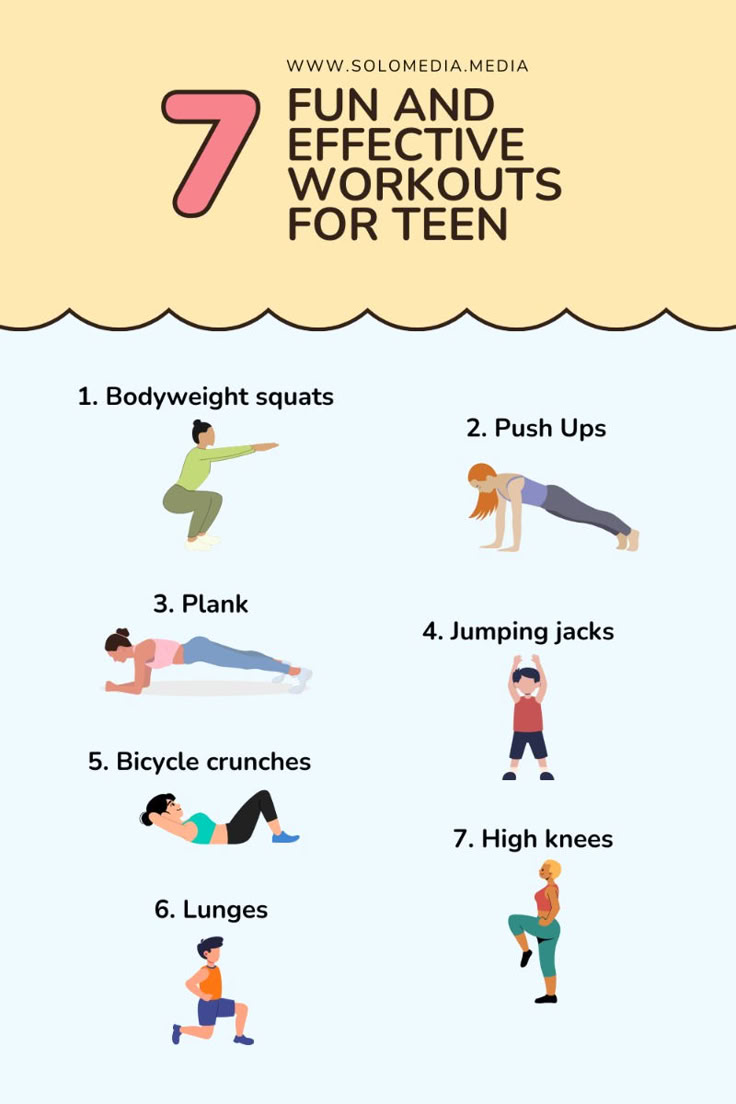
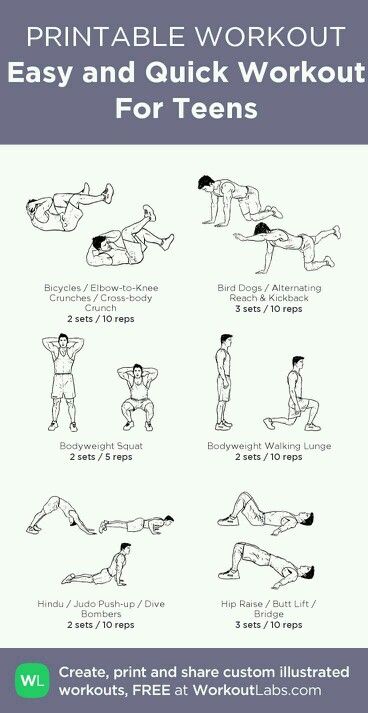
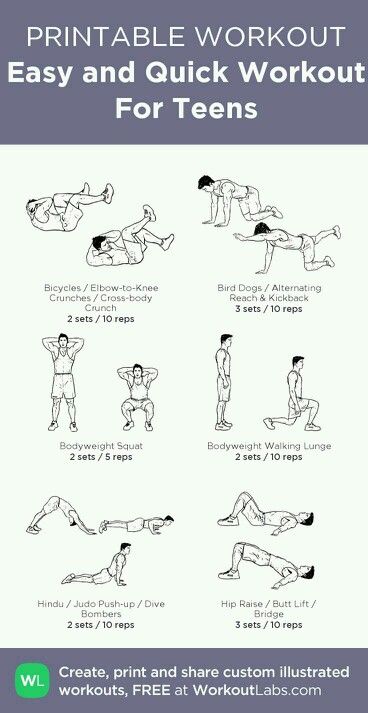
– Squats: Build leg strength and stability.
– Push-ups: Enhance chest, shoulders, and triceps strength.
– Planks: Improve core strength and stability.
Flexibility and Balance Exercises
– Yoga: Enhances flexibility, balance, and mental focus.
– Pilates: Focuses on core strength and overall body awareness.
Safety and Precautions
Warm-Up and Cool-Down
It’s crucial for teens to include proper warm-ups and cool-downs in their workouts. A warm-up boosts blood flow to muscles, lowering injury risk, while a cool-down helps the body return to rest. Research shows a well-structured warm-up can cut muscle injury risk by up to 50%.
Proper Form and Technique
Teens should learn proper form and technique for each exercise to avoid injuries. Coaches and parents should supervise workouts to ensure teens perform exercises correctly.
Rest and Recovery
Adolescents need enough rest and recovery time for their bodies to adapt to exercise demands. Overtraining can cause fatigue, reduced performance, and higher injury risk. Experts recommend teens aim for 8 to 10 hours of sleep nightly and include rest days in their workout plans.
Conclusion
The best workouts for teens are balanced routines that include cardiovascular exercise, strength training, flexibility, and balance training. By addressing teens’ unique developmental needs, we can help them build a strong foundation for a healthy, active lifestyle. Parents, coaches, and teens should prioritize safety, proper form, and enough rest and recovery. Following this guide can help teens set the stage for lifelong physical fitness.
Future Research Directions
More research is needed to explore the long-term effects of specific workout routines on teens’ physical and mental health. Additionally, studies should examine how technology and social media affect teens’ exercise habits and overall well-being. Understanding these factors can help create more effective, tailored workout plans for teens.
References



