


Introduction
The debate over whether physical education (PE) should be recognized as a formal subject in school curricula has engaged educators, parents, and students alike. This article explores the diverse perspectives on this topic, offering a balanced analysis of the arguments supporting and opposing PE’s classification as a subject. By examining its benefits, associated challenges, and role in holistic education, this piece highlights why PE matters as an integral part of learning.
The Definition of a Subject
Before exploring the debate, it’s important to clarify what defines a subject in an educational context. A subject is typically a distinct area of study that is taught and evaluated. Traditional subjects have included math, science, literature, and history—but the inclusion of physical education (PE) as a subject has long been a point of discussion.
Arguments for PE as a Subject
1. Physical Health and Well-being
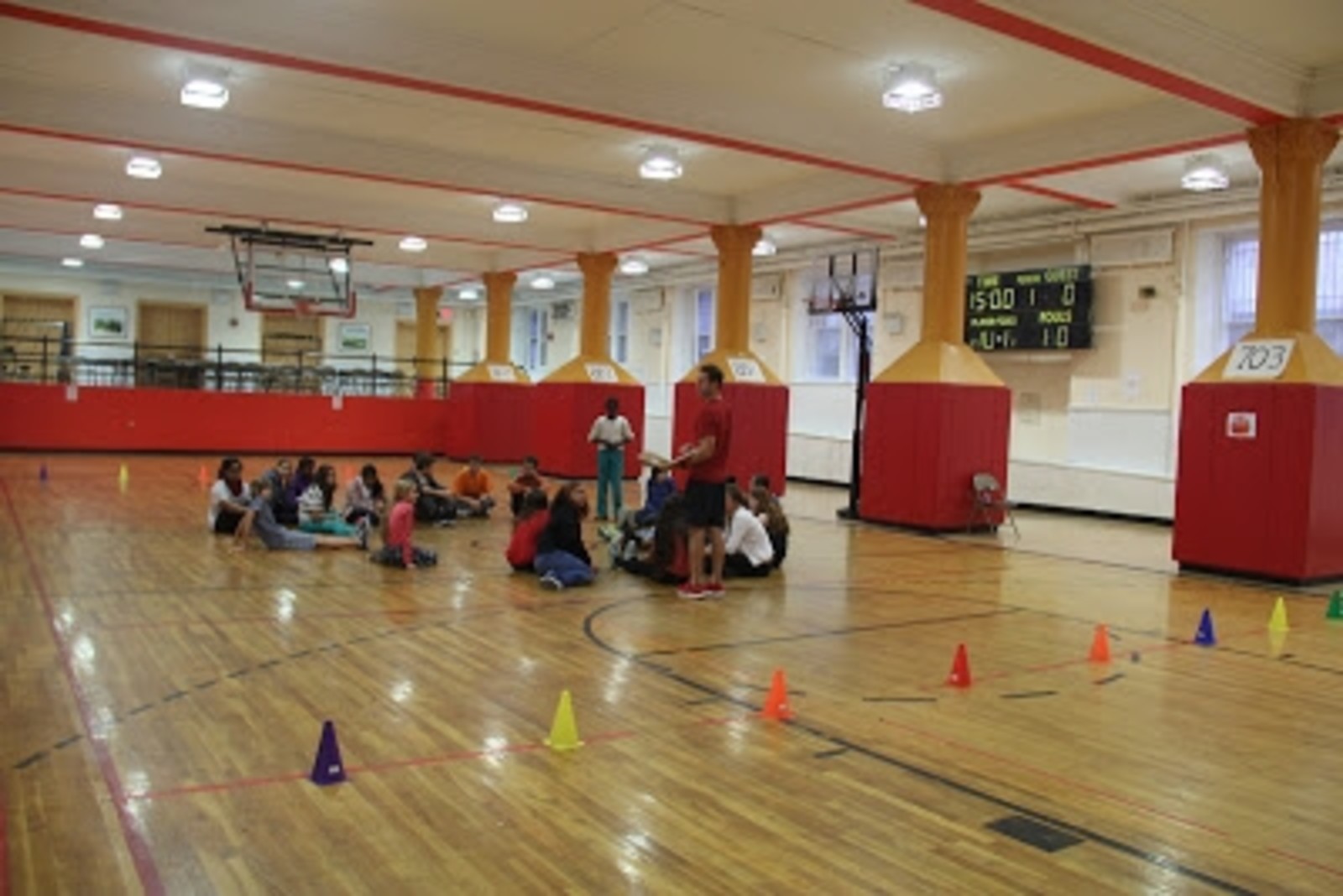
A key argument for PE as a subject is its focus on physical health and well-being. Regular movement has well-documented benefits: it boosts cardiovascular health, builds strength and endurance, and supports mental wellness. By formalizing PE as a subject, schools can guarantee students get consistent, quality physical education—fostering a lifelong habit of staying active.
2. Development of Motor Skills
PE classes give students a chance to build motor skills—critical for daily life. Activities like running, jumping, and throwing enhance coordination, balance, and agility. These skills aren’t just useful for sports; they support everyday tasks, from playing with peers to engaging in physical work.
3. Socialization and Teamwork
PE often includes group activities and team sports, which help students build social skills and learn to work together. When playing on teams, students practice communication, collaboration, and striving for shared goals—experiences that shape their personal and professional growth long after school.
Arguments Against PE as a Subject
1. Limited Resources
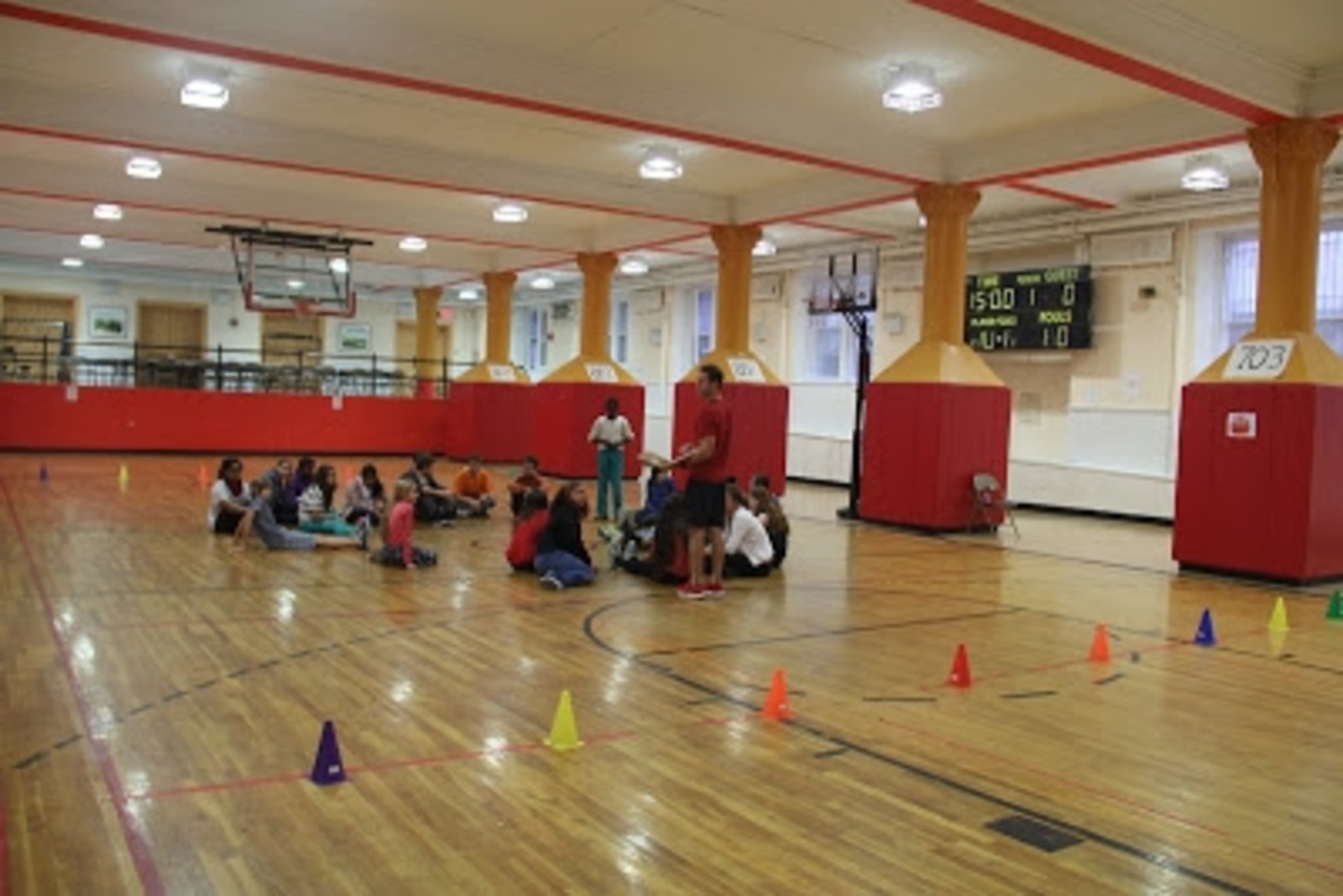
A major counterargument is the lack of resources for PE. Many schools struggle to access adequate facilities, equipment, or trained instructors to deliver a high-quality PE program. This can result in a less effective learning experience and limit students’ overall development.
2. Time Constraints
Time constraints are another hurdle. As schools focus more on standardized testing and academic outcomes, they often prioritize subjects tied directly to test scores. This can lead to reduced or canceled PE classes, leaving students without enough physical activity.
3. Individual Differences
PE can be challenging for students with disabilities or those who don’t enjoy traditional sports. Formalizing PE as a subject might unintentionally add pressure to these students, creating a negative experience that discourages them from staying active.

The Role of PE in Holistic Education
PE is a key part of holistic education. It supports the development of both mind and body, equipping students for healthy, fulfilling lives. By integrating PE into the curriculum, schools can ensure students get the physical activity they need to complement their academic learning.
Conclusion
In summary, the question of whether PE should be a formal subject is complex. While there are strong arguments on both sides, the value of physical education cannot be ignored. A high-quality PE program helps students stay healthy, build motor skills, and improve social skills. However, schools must address challenges like limited resources and time constraints. Future research should explore solutions to these issues to keep PE an essential part of holistic learning.
Recommendations and Future Research
To tackle these challenges, here are key recommendations:

1. Boost funding for PE programs to secure sufficient facilities, equipment, and trained instructors.
2. Create flexible PE programs that accommodate diverse student interests and needs, including non-traditional sports and activities.
3. Partner with local community groups to expand PE resources and opportunities for students.
Future research should focus on:
1. The long-term effects of PE as a subject on students’ physical health, academic achievement, and social growth.
2. Practical ways to integrate PE into school curricula while addressing time and resource constraints.
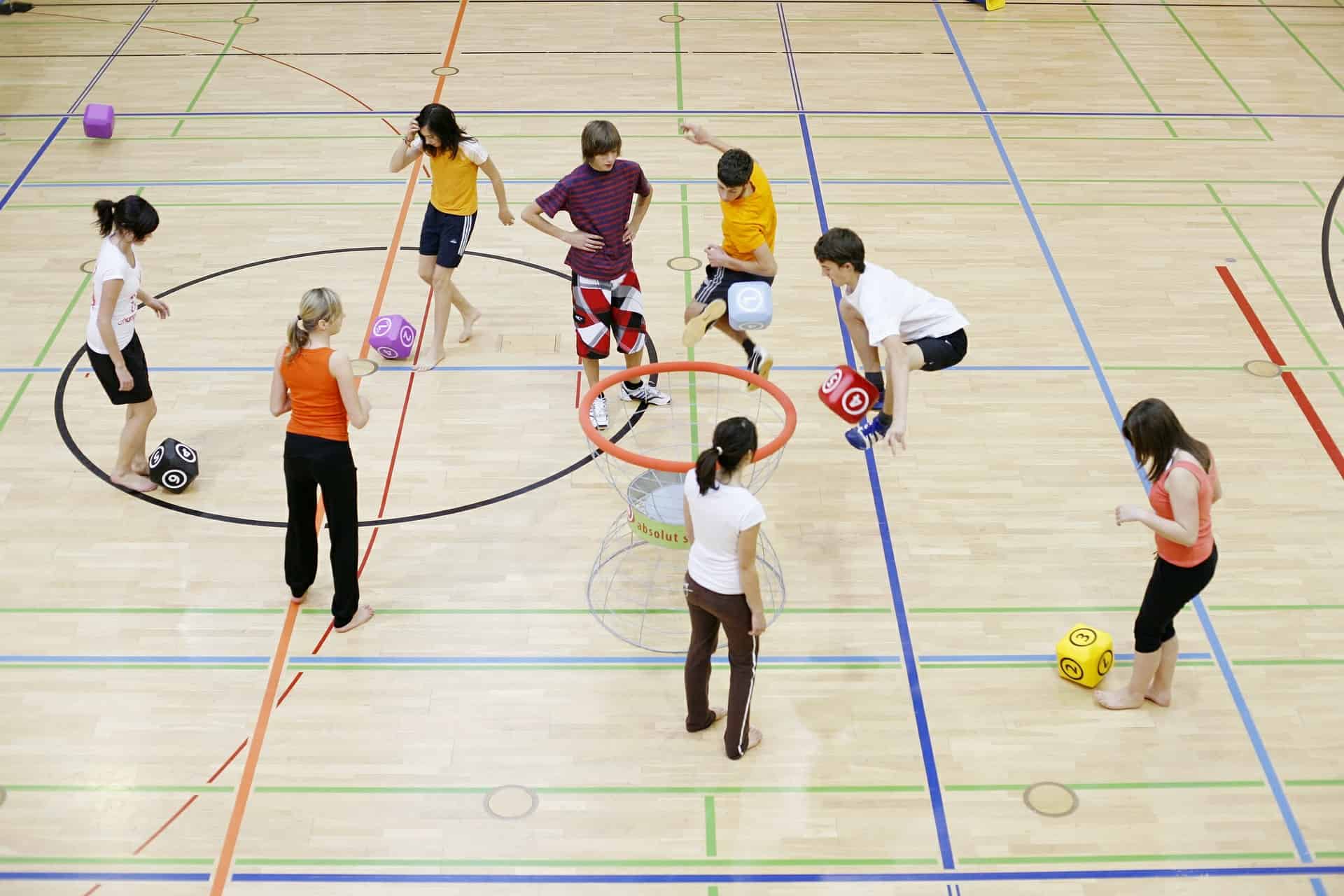
3. How technology can improve PE experiences and encourage more physical activity.
By implementing these recommendations and investing in future research, schools can keep PE a valuable part of the curriculum—supporting students’ overall well-being and success.



