


The Rise and Impact of Swimming Franchises
Introduction
The world of sports and fitness has undergone significant transformation in recent years, with various business models emerging to meet the growing demand for health and wellness. Among these, swimming franchises have gained notable popularity. This article explores the concept of swimming franchises, their influence on the swimming community, and the factors driving their success. We will examine their business aspects, offered benefits, and faced challenges.
What is a Swimming Franchise?
A swimming franchise is a business model where a parent company grants rights to operate a swimming school or pool under its brand. This model enables entrepreneurs to launch their own swimming business with the support of an established brand, proven strategies, and parent company backing. Franchising has succeeded across industries, and swimming is no exception.
The Growth of Swimming Franchises
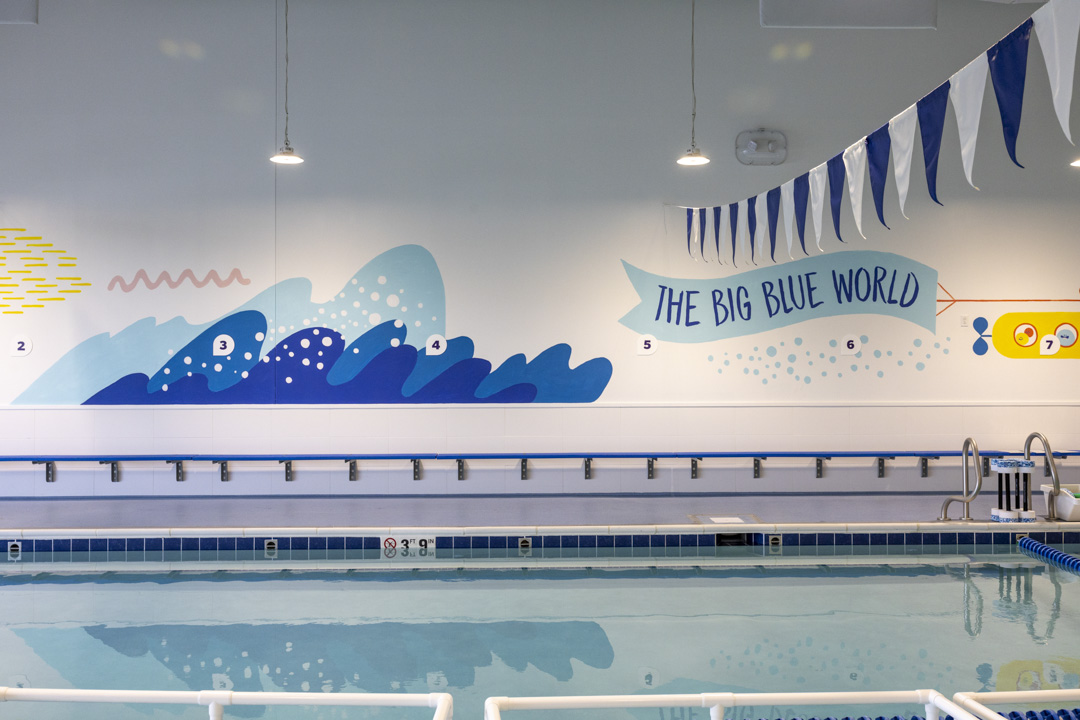
Several factors contribute to the growth of swimming franchises. First, rising awareness of swimming’s health benefits has increased participation. Swimming is widely recognized as one of the most effective exercises, offering cardiovascular benefits, muscle strengthening, and improved mental health.
Second, the convenience and flexibility of swimming franchises appeal to busy individuals. Many offer flexible class schedules, making it easier to integrate swimming into daily routines—especially beneficial for working professionals and parents of young children.
The Benefits of Swimming Franchises
1. Brand Recognition
Instant brand recognition is a key benefit of joining a swimming franchise. The parent company’s established reputation for quality instruction and facilities helps attract customers to new locations.
2. Proven Business Model
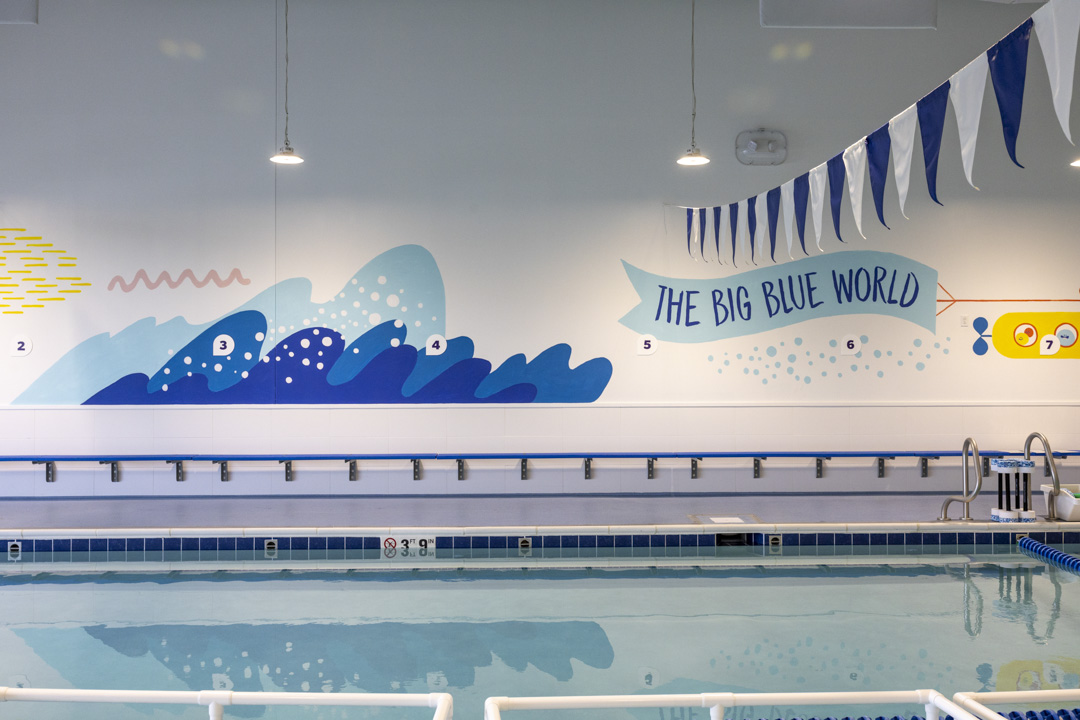
Swimming franchises operate under a refined, proven model including marketing strategies, operational procedures, and customer service standards—all contributing to success.
3. Support and Training
Franchise owners receive comprehensive training and ongoing support from the parent company, including initial training, regular workshops, and access to a network of peers for sharing best practices.
4. Access to Resources
Franchises often access resources individual schools lack, such as equipment, software, and marketing materials—streamlining operations and reducing costs.
Challenges Faced by Swimming Franchises
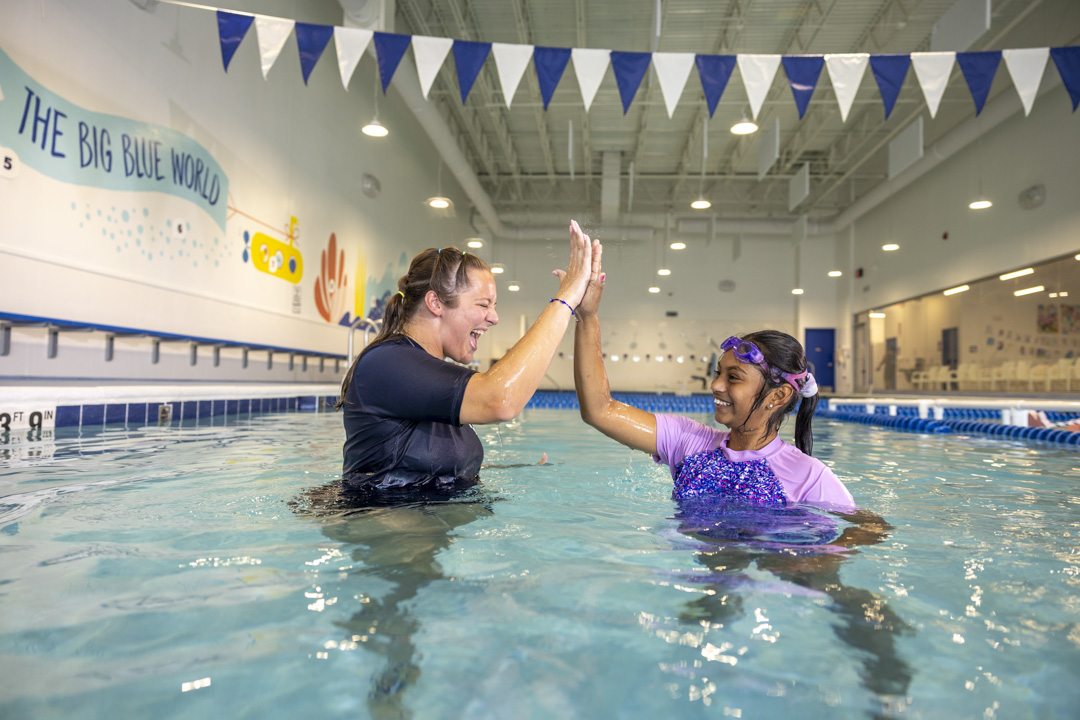
Despite benefits, swimming franchises face challenges. A major one is competition: growing swimming popularity has led to more schools and franchises entering the market, increasing customer competition.
Another challenge is the cost of maintaining pools and infrastructure, a significant financial burden—especially in areas with scarce land or water resources.
Case Studies
To illustrate franchise impact, consider these examples:
1. A Leading Oceania-Based Franchise
This franchise operates across Oceania with multiple locations, helping numerous children and adults learn to swim. Its success stems from a focus on safety, high-quality instruction, and active community engagement.
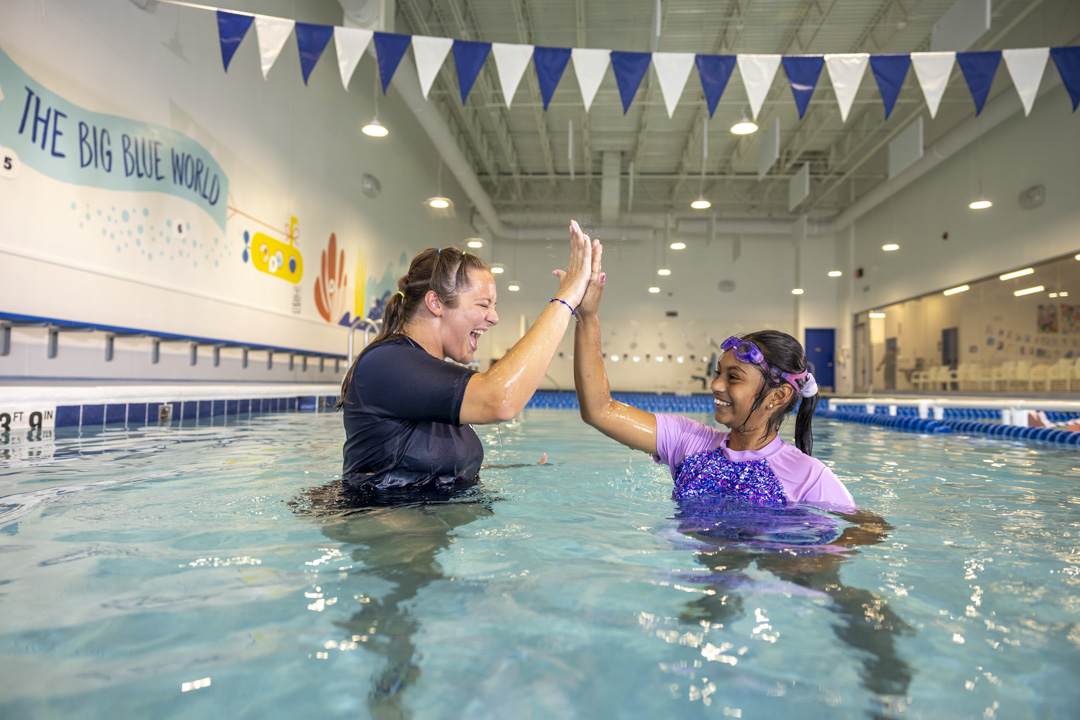
2. A North American Franchise
This North American franchise offers diverse programs for children, adults, and competitive swimmers. Its innovative teaching methods have made it a popular family choice.
Conclusion
Swimming franchises are integral to the swimming community, offering a convenient, effective way to learn and enjoy the sport. With their proven model, brand recognition, and comprehensive support, they have potential to grow and positively impact swimming globally.
In conclusion, the rise of swimming franchises reflects growing health and wellness demand. As the industry evolves, franchises must adapt to changing customer needs while maintaining the quality and safety standards that drive their success.
Recommendations and Future Research
To ensure continued success, the following recommendations are made:
1. Prioritize community engagement and safety initiatives to build customer trust and loyalty.
2. Invest in technology and innovation to enhance the swimming experience and attract new customers.
3. Research the effectiveness of different teaching methods and integrate best practices into operations.
Future research should explore long-term franchise impacts on the swimming community, including participation rates, health outcomes, and individual well-being. Additionally, research on franchise sustainability across geographic and economic contexts would be valuable.



