

The Impact of Gyms on Community Health and Wellness
Introduction
Many urban areas have seen a significant rise in the number of gyms and fitness centers in recent years. This surge in fitness facilities has sparked discussions on their impact on community health and wellness. This article explores the role of gyms in promoting physical activity and their broader implications for community well-being.
The Growth of Gyms in Urban Areas
Many urban areas have experienced remarkable growth in the fitness industry, with numerous gyms and fitness centers opening across neighborhoods. This growth stems from factors like rising awareness of physical fitness, growing populations, and accessible real estate options. Industry reports indicate that population trends have contributed to increased demand for fitness facilities.
The Role of Gyms in Promoting Physical Activity
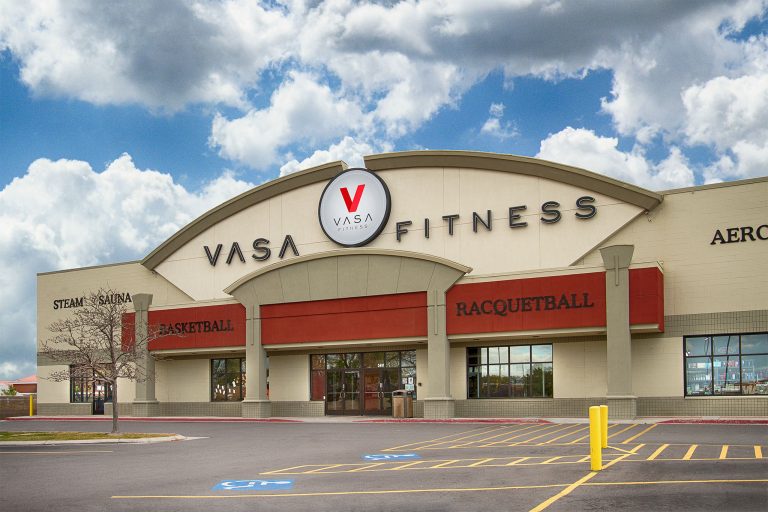
A primary role of gyms is to encourage physical activity among community members. Regular exercise offers well-documented health benefits, including reduced risk of chronic diseases, improved mental health, and enhanced overall well-being. Gyms provide a space for diverse physical activities, from strength training to cardiovascular workouts.
Evidence from Research
Research studies have found that individuals with gym memberships are more likely to engage in regular physical activity than those without. This indicates that gyms play a crucial role in promoting community-wide physical activity.
The Economic Impact of Gyms
Beyond health benefits, gyms contribute significantly to local economies. The fitness industry employs many people—from personal trainers to front desk staff—and generates substantial revenue. Industry associations note that the global fitness sector employs millions and generates significant annual revenue.
The Social Impact of Gyms
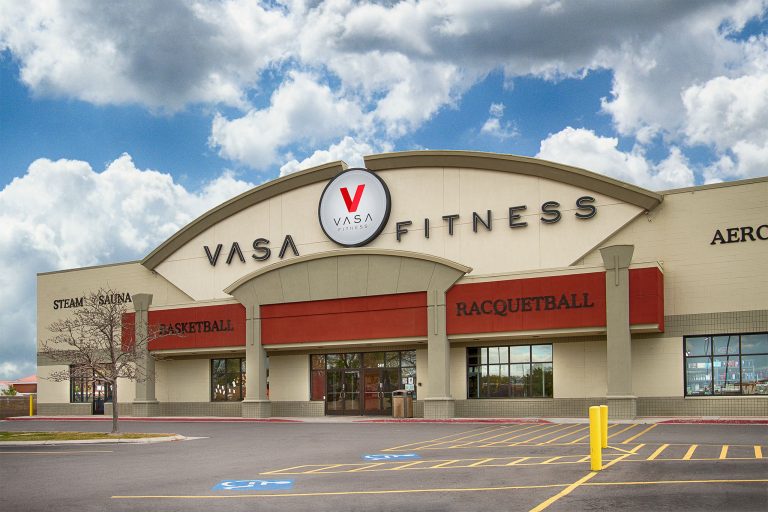
Gyms serve as more than just exercise spaces—they act as social hubs. Many people find that joining a gym fosters a sense of community and belonging, which is especially valuable for those who feel isolated or disconnected from their neighborhoods.
Testimonials from Members
Many gym members have shared their experiences, emphasizing the social benefits of membership. One member noted, “The gym has become my second home. I’ve made friends here, and it’s a great place to unwind after a long day.”
Challenges and Solutions
While gyms offer numerous benefits, they also face challenges. A key challenge is the high cost of membership, which can be a barrier for some people. To address this, many gyms now offer more affordable options or community programs providing free or discounted access to underserved groups.
Conclusion

In conclusion, gyms play a vital role in promoting physical activity, contributing to local economies, and building community. While challenges exist, their benefits are undeniable. As urban areas continue to grow, supporting and expanding the fitness industry is essential to ensure all residents can access the health and wellness benefits gyms offer.
Recommendations and Future Research
To further enhance the impact of gyms in urban areas, the following recommendations are proposed:
1. Increase Access to Affordable Gyms: Continue offering affordable membership options and community programs to ensure all residents can access fitness facilities.
2. Promote Health Education: Collaborate with local schools and community organizations to promote health education and encourage physical activity among youth.
3. Support Local Fitness Businesses: Provide incentives and support for local fitness businesses to help them thrive and contribute to the community.

Future Research Directions
Future research should focus on the long-term impact of gym membership on health outcomes, the effectiveness of community-based fitness programs, and the economic benefits of the fitness industry in urban areas. Additionally, studies should explore social dynamics within gyms and their contribution to community cohesion.



