The Impact of Pilates on Physical and Mental Health
Introduction
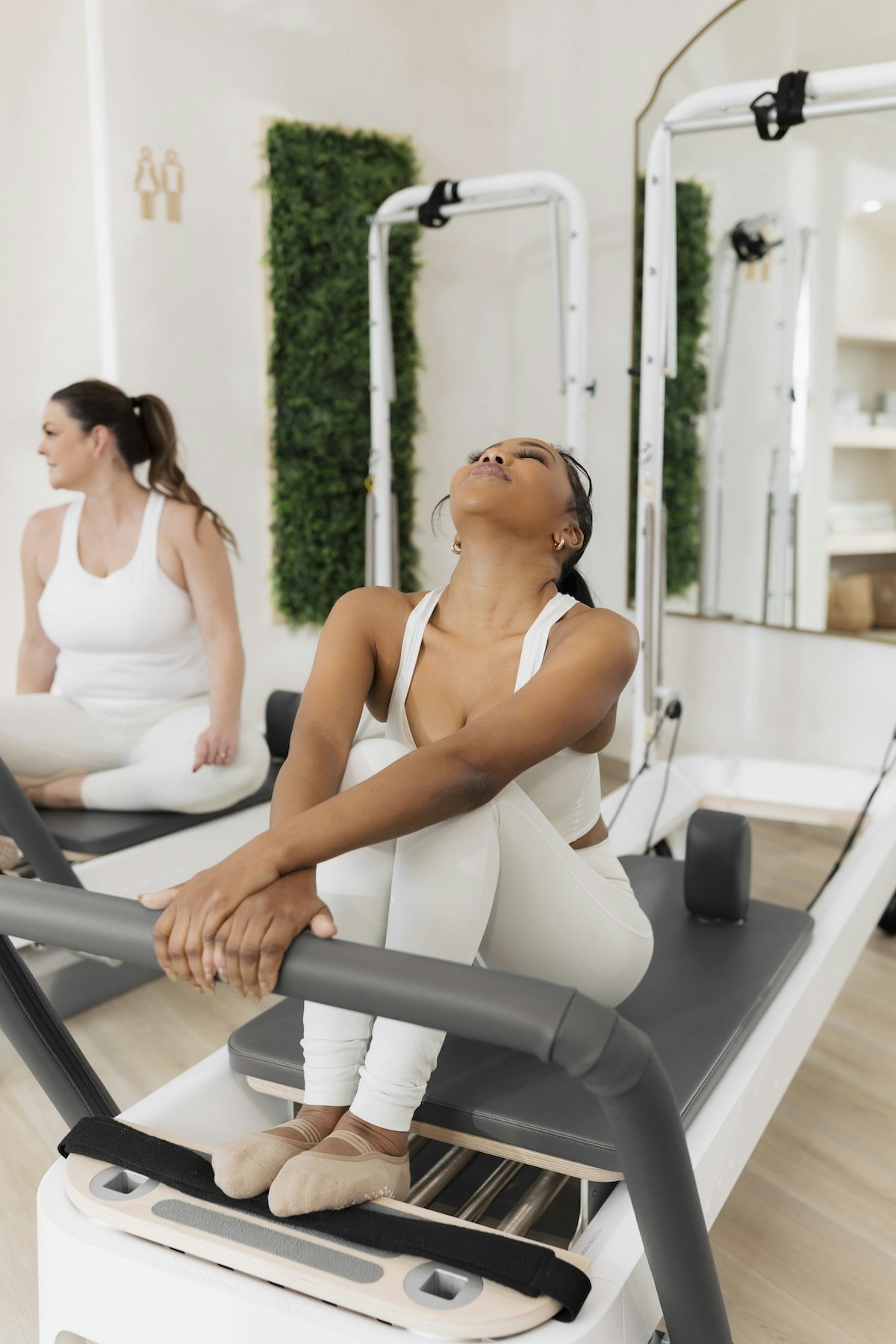
Pilates, a form of exercise that focuses on the core muscles, has gained immense popularity worldwide. Many regions have emerged as hubs for Pilates enthusiasts, offering a wide range of classes and training programs. This article aims to explore the impact of Pilates on physical and mental health, providing insights into its benefits and potential future research directions.
Physical Benefits of Pilates
Core Strengthening
One of the primary goals of Pilates is to strengthen the core muscles, which include the muscles of the abdomen, lower back, and pelvis. Pilates classes, with their emphasis on proper form and controlled movements, help individuals develop a strong and stable core. This, in turn, improves posture, reduces the risk of injuries, and enhances overall physical performance.
Increased Flexibility
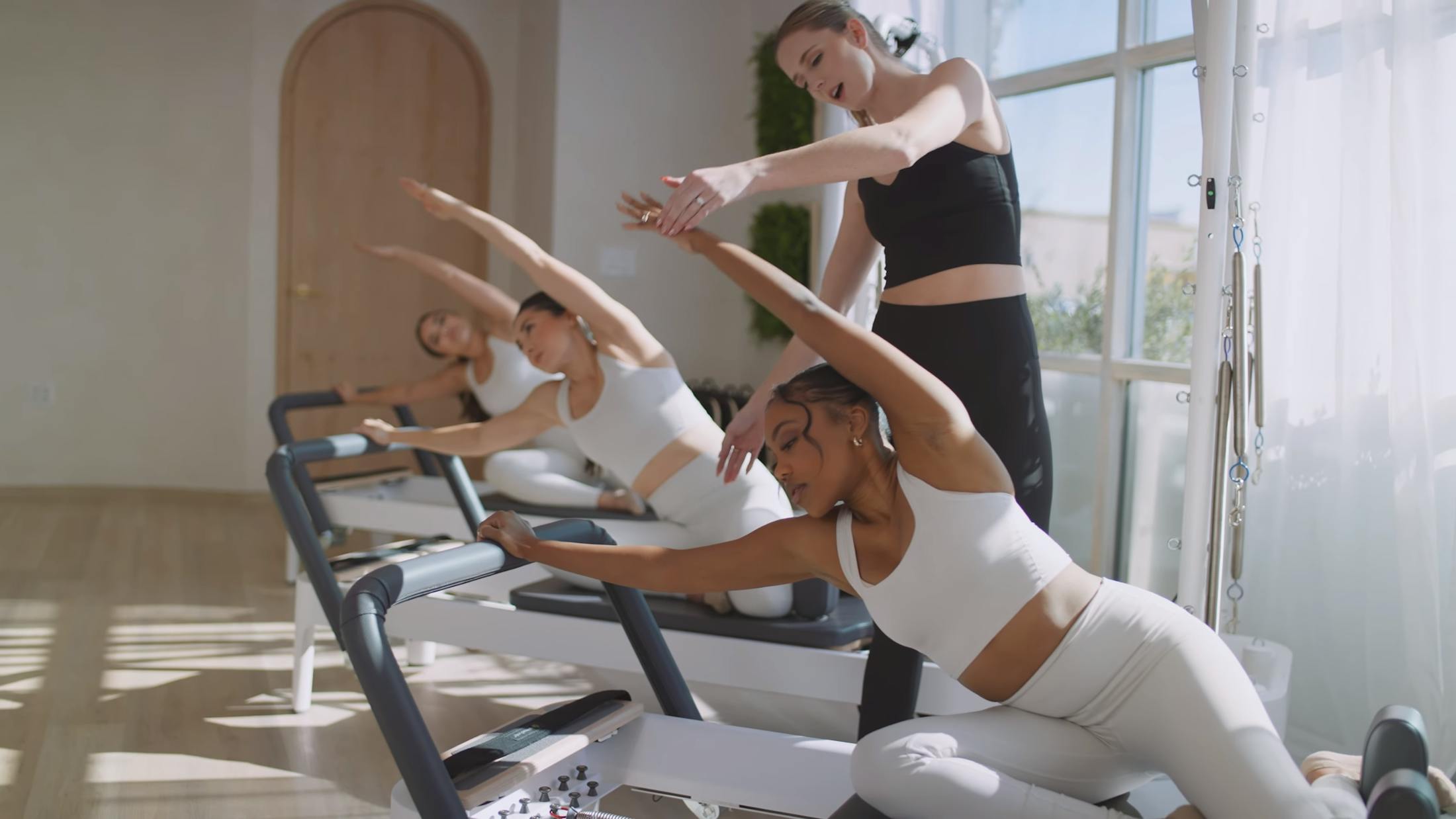
Pilates exercises are designed to improve flexibility by stretching and lengthening the muscles. Pilates classes incorporate a variety of stretches and movements that target different muscle groups, leading to increased flexibility and range of motion. This can help alleviate muscle tension, reduce the risk of injuries, and improve overall physical well-being.
Enhanced Balance and Coordination
Pilates classes often include exercises that require balance and coordination, such as standing sequences and Pilates mat work. These exercises challenge the body’s stability and require precise movements, which can improve balance and coordination. This can be particularly beneficial for individuals with balance issues or those who engage in activities that require coordination, such as dancers or athletes.
Improved Body Awareness
Pilates emphasizes the importance of body awareness, teaching individuals to move with precision and control. Pilates classes focus on proper breathing techniques, alignment, and concentration, which help individuals develop a deeper understanding of their bodies. This improved body awareness can lead to better posture, reduced pain, and a greater sense of well-being.
Mental Health Benefits of Pilates
Stress Reduction
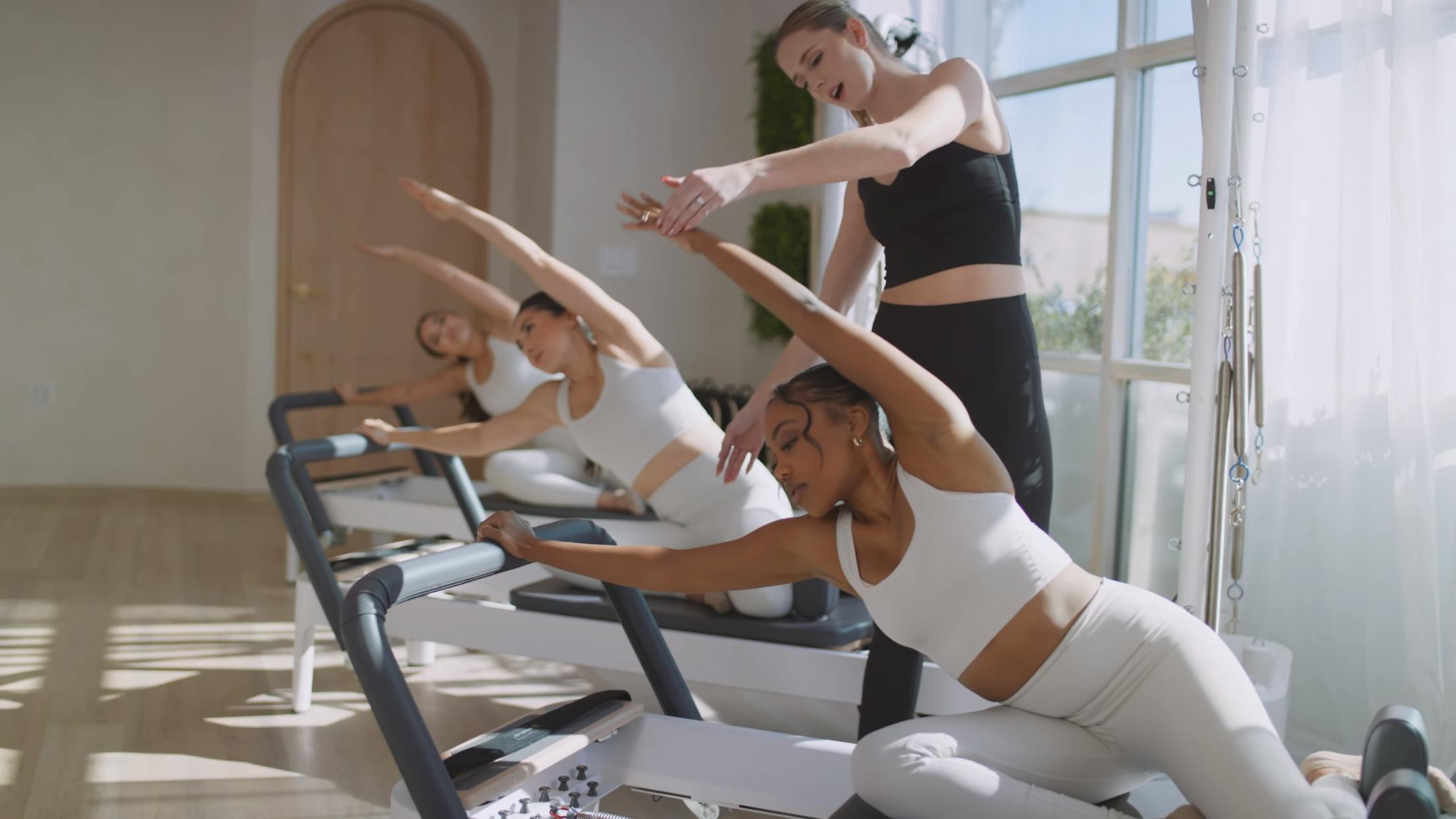
Pilates is known for its ability to reduce stress and promote relaxation. Pilates classes provide a peaceful and serene environment, allowing individuals to disconnect from the hustle and bustle of daily life. The focus on controlled breathing and mindful movements helps calm the mind, reduce anxiety, and promote a sense of peace.
Improved Mood and Mental Well-being
Regular participation in Pilates classes can lead to improved mood and mental well-being. The physical exertion and endorphin release during Pilates exercises can boost mood and reduce symptoms of depression and anxiety. Additionally, the social aspect of Pilates classes can provide a sense of community and support, further enhancing mental health.
Enhanced Self-esteem
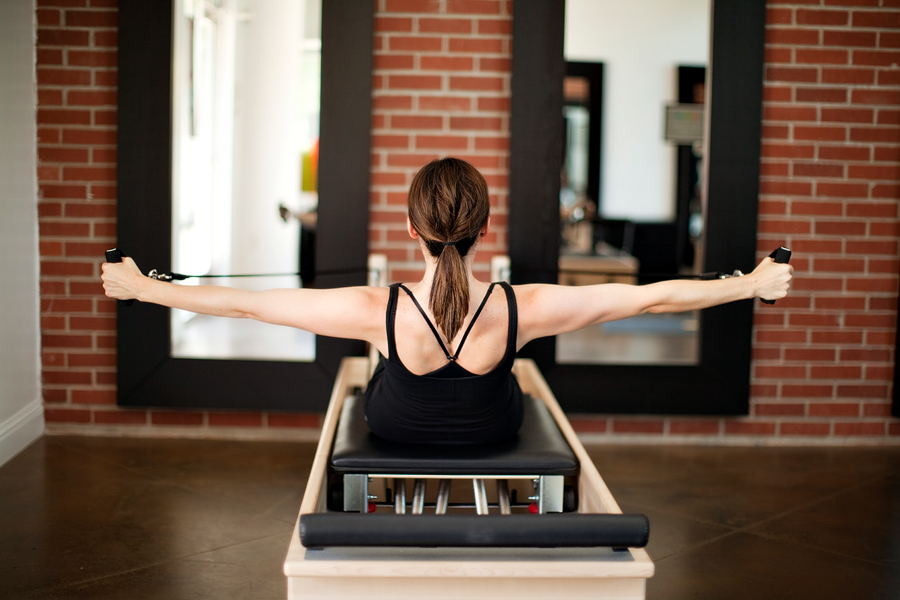
Pilates classes can help individuals develop a positive body image and improve self-esteem. As individuals become more aware of their bodies and achieve improvements in strength, flexibility, and balance, they may develop a greater sense of confidence and self-worth. This can have a ripple effect on various aspects of life, including personal relationships and career.
Research and Expert Opinions
Studies on Pilates and Physical Health
Numerous studies have demonstrated the positive effects of Pilates on physical health. Research has shown that Pilates exercises can improve lower back pain and functional performance in individuals with chronic low back pain, as well as enhance muscle strength and flexibility in those with chronic neck pain.
Expert Opinions
Pilates experts have long emphasized the holistic benefits of Pilates, noting that it can transform the body and mind, leading to improved physical health, mental well-being, and overall quality of life. Many modern Pilates instructors and practitioners share this belief, emphasizing the importance of Pilates as a comprehensive exercise system.

Conclusion
Pilates has proven to be a valuable tool for improving both physical and mental health. Its focus on core strengthening, flexibility, balance, and body awareness has made it a popular choice for individuals seeking to enhance their overall well-being. As more research is conducted and the benefits of Pilates continue to be recognized, it is likely that this form of exercise will become even more widely adopted.
Recommendations and Future Research Directions
To further promote the benefits of Pilates, it is recommended that:
1. Health professionals and fitness instructors continue to educate the public about the benefits of Pilates.
2. Research on the long-term effects of Pilates on physical and mental health should be conducted.
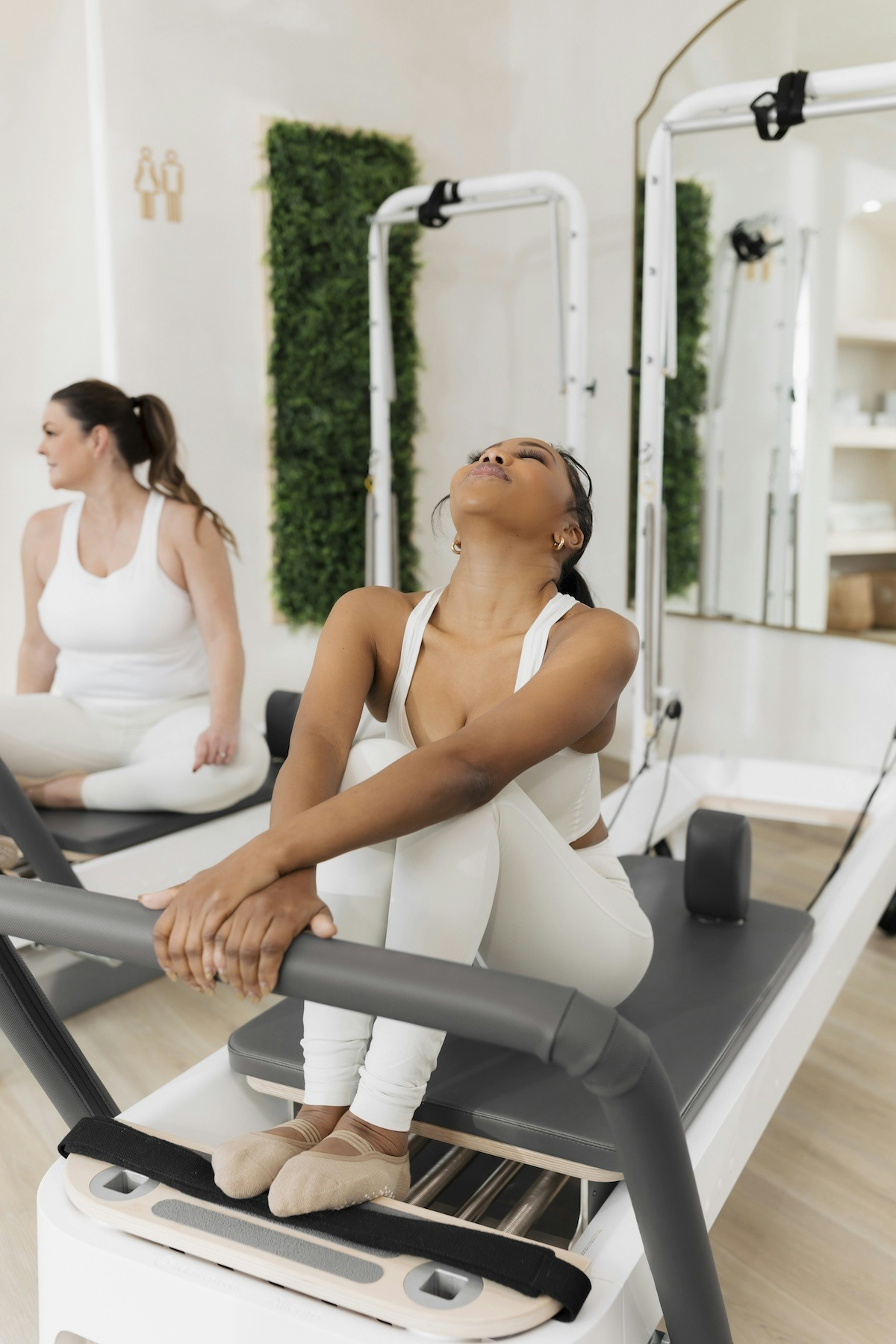
3. Pilates programs should be made more accessible to individuals with diverse backgrounds and abilities.
Future research directions may include:
1. Investigating the effects of Pilates on specific populations, such as pregnant women, older adults, and individuals with chronic diseases.
2. Exploring the potential of Pilates as a complementary therapy for mental health disorders.
3. Developing new Pilates exercises and programs tailored to specific fitness goals and needs.
By continuing to explore the benefits of Pilates and promoting its adoption, we can help individuals achieve greater physical and mental well-being.