

Zumba vs. Pilates: A Comprehensive Comparison
Introduction
The fitness world offers a wide range of exercise routines tailored to different fitness levels, goals, and preferences. Two popular options that have gained widespread traction are Zumba and Pilates. Both are effective in their own ways, but they differ in approach, methodology, and benefits. This article provides a comprehensive comparison of the two, highlighting their unique features, advantages, and potential drawbacks.
Zumba: A Cardiovascular, Dance-Focused Workout
What Is Zumba?
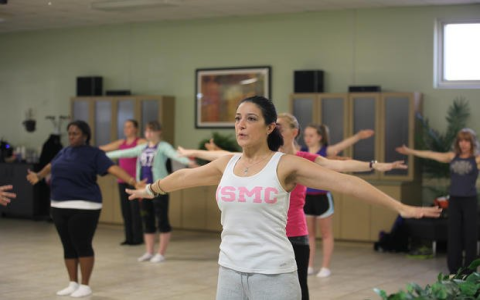
Zumba is a dance-based fitness program that blends aerobics with moves from diverse genres like salsa, merengue, hip-hop, and reggaeton. Developed by Alberto Perez in the 1990s, it has grown into a global phenomenon with millions of participants across the world.
Benefits of Zumba
1. Cardiovascular Health: Zumba is a top-tier cardiovascular workout that supports heart health, boosts endurance, and aids in calorie burn.
2. Calorie Burn: With its high-intensity format, Zumba can torch up to 800 calories per session, making it a powerful weight-loss tool.
3. Mental Well-Being: Zumba’s upbeat music and dynamic moves help reduce stress, lift mood, and enhance self-confidence.
4. Social Connection: Zumba classes often feel like social gatherings, offering chances to meet new people and build friendships.
Pilates: A Low-Impact, Core-Focused Workout
What Is Pilates?
Pilates is a low-impact exercise system created by Joseph Pilates in the early 20th century. It centers on enhancing flexibility, strength, and balance—with a strong focus on core muscles.
Benefits of Pilates
1. Core Strength: Pilates is famous for strengthening core muscles, which supports better posture, eases back pain, and boosts overall stability.
2. Flexibility: Pilates exercises boost flexibility, lowering injury risk and improving overall mobility.
3. Muscle Tone: Pilates tones muscles without adding bulk, making it ideal for those seeking a leaner, more sculpted physique.
4. Mental Well-Being: Like Zumba, Pilates helps reduce stress and supports better mental health.
Comparison: Zumba vs. Pilates
Physical Demands
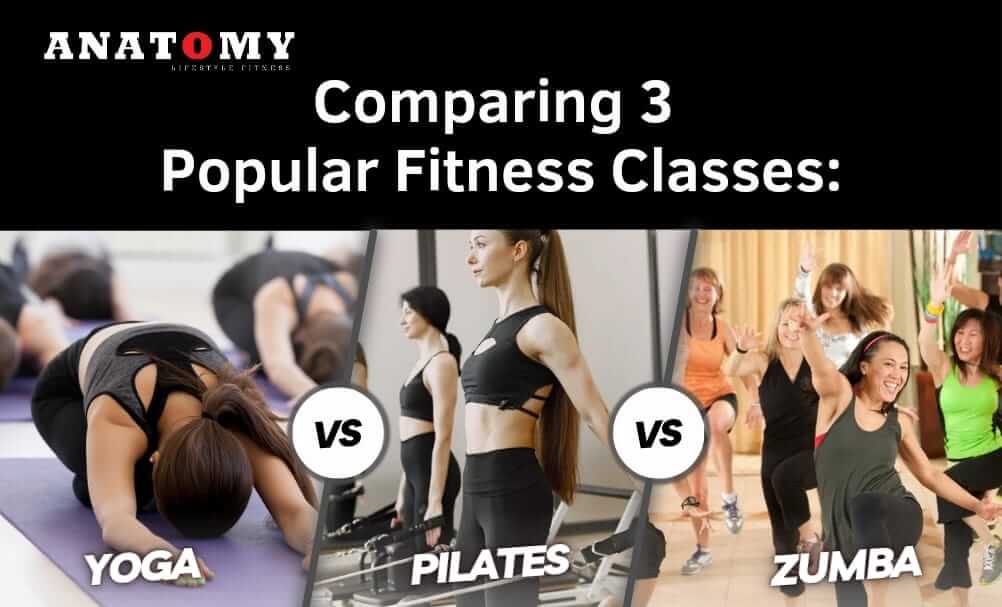
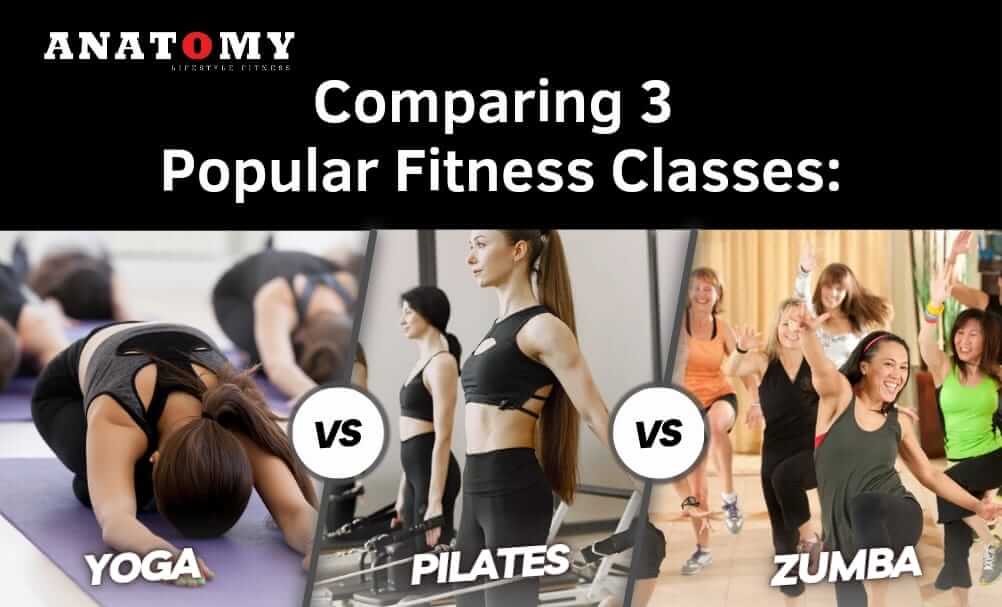
Zumba is a high-intensity cardiovascular workout that needs a solid fitness base and coordination. It’s perfect for those wanting to burn calories, boost heart health, and enjoy their exercise routine.
Pilates, by contrast, is a low-impact core-focused workout suitable for all fitness levels. It emphasizes flexibility, strength, and balance—making it great for injury recovery or overall fitness improvement.
Equipment and Space
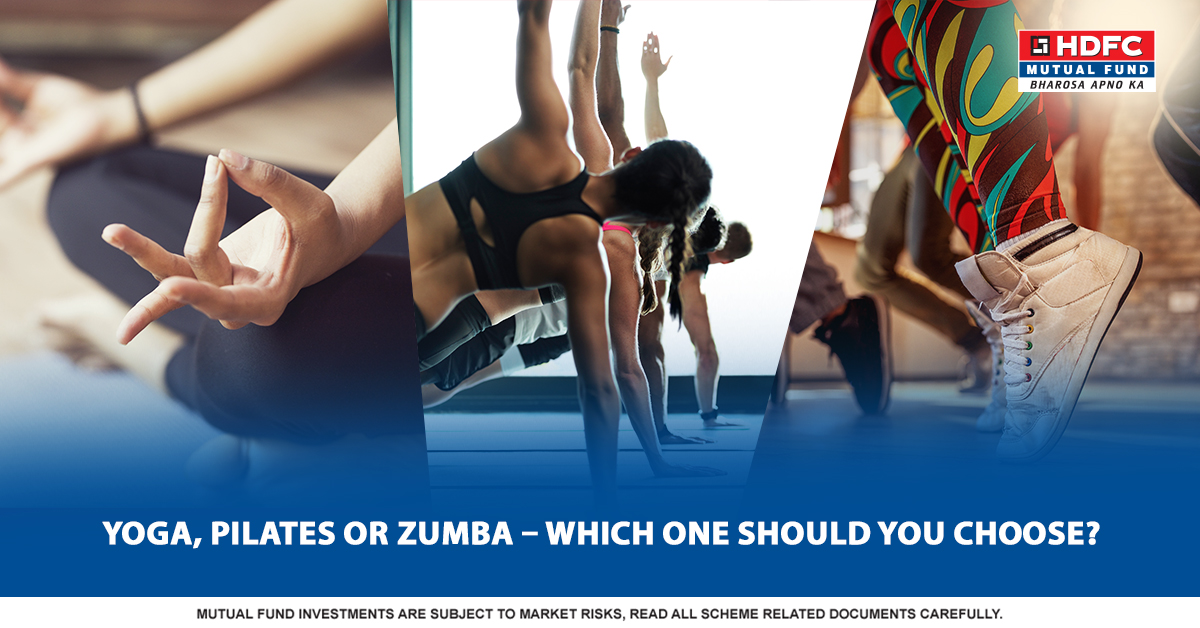
Zumba can be done in a small space with minimal gear—like a yoga mat and water bottles for light resistance. It’s a versatile workout that works almost anywhere.
Pilates, however, needs specialized equipment like reformers, Pilates chairs, and resistance bands. It’s usually done in a studio with a dedicated Pilates equipment area.
Social Aspect
Zumba classes often feel like social events, with participants enjoying the music and moves together—making it a fun, engaging experience.
Pilates classes are social too, but they may not have the same high-energy interaction as Zumba. That said, many studios offer group classes where participants can connect with others who share similar fitness goals.
Conclusion

In conclusion, both Zumba and Pilates offer unique benefits tailored to different fitness needs and preferences. Zumba is a great cardiovascular workout that burns calories and boosts mental health, while Pilates focuses on core strength, flexibility, and overall balance.
Ultimately, the choice between Zumba and Pilates comes down to individual goals, fitness level, and personal preferences. It’s key to pick a routine that’s enjoyable and sustainable—this increases the chances of sticking to a consistent fitness plan.
Future Research
Future research could explore the long-term effects of Zumba and Pilates on overall health and well-being. It could also examine the specific benefits of each exercise for people with particular health conditions or fitness goals.


