The Impact of Local Fitness Centers on Community Health and Wellness
Introduction
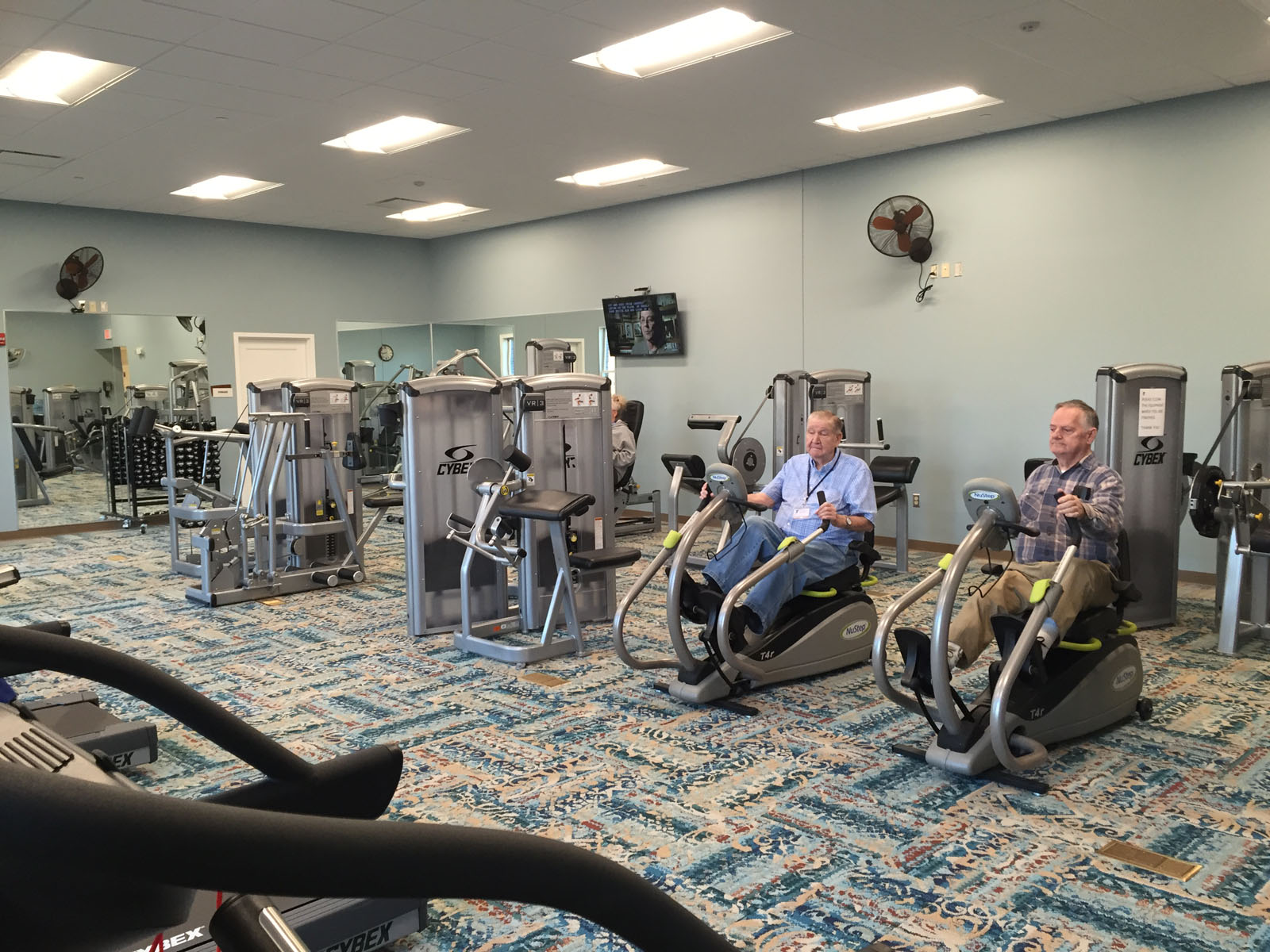
In many communities, local fitness centers have become beacons of health and wellness for residents. These state-of-the-art facilities offer a wide range of fitness programs, classes, and amenities that cater to individuals of all ages and fitness levels. This article aims to explore the impact of such fitness centers on community health and wellness, providing insights into their role in promoting physical activity, mental health, and overall well-being.
The Role of Local Fitness Centers
1. Physical Activity Promotion
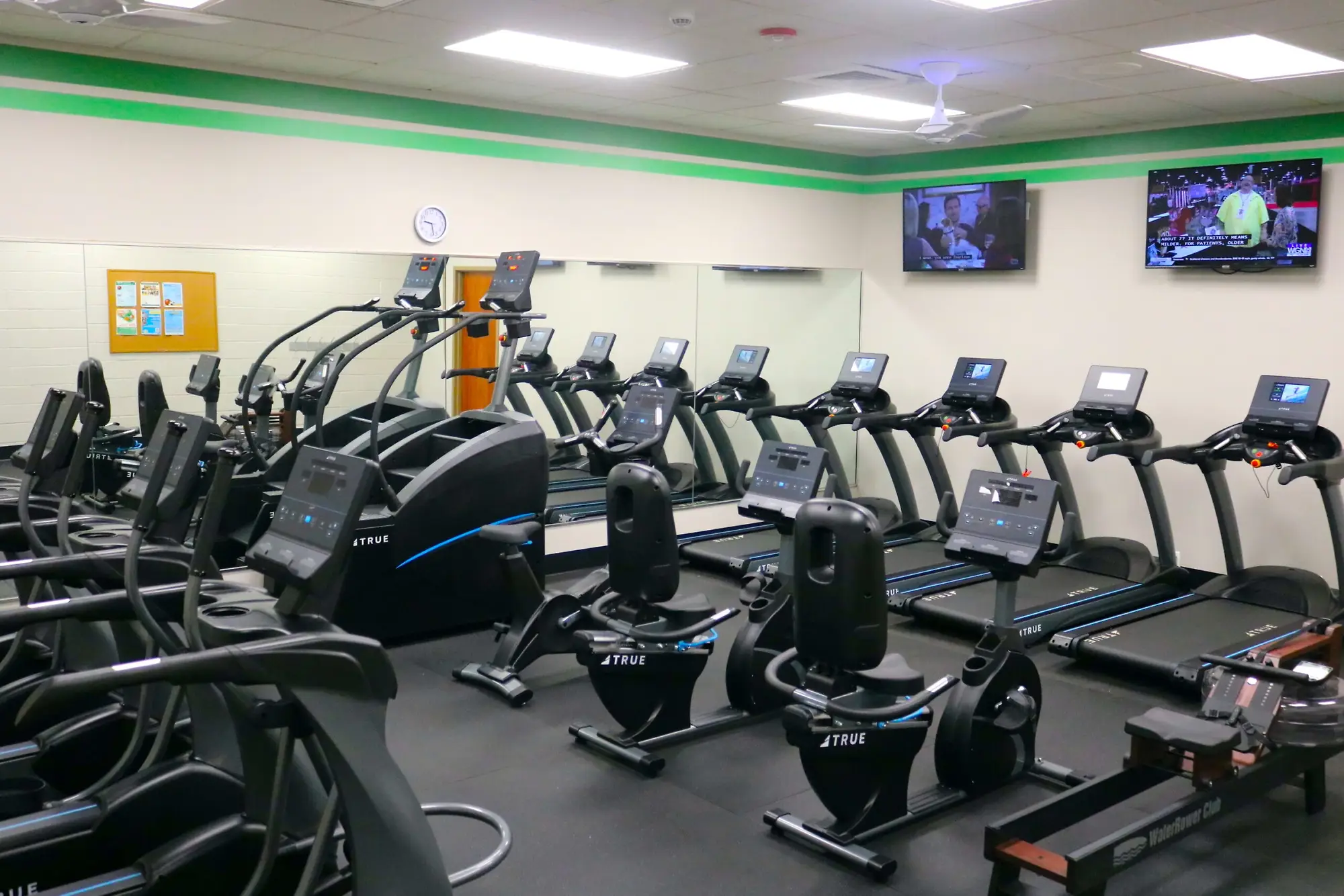
Local fitness centers have been instrumental in promoting physical activity within communities. With a variety of equipment, classes, and personal training sessions, these centers make it easier for residents to incorporate exercise into their daily routines. Research consistently shows that regular physical activity can reduce the risk of chronic diseases such as heart disease, diabetes, and obesity.
2. Community Engagement
Local fitness centers serve as hubs for community engagement and social interaction. Group fitness classes, such as yoga, spin, and Zumba, encourage participants to connect with others who share similar fitness goals. This sense of community can be particularly beneficial for individuals who may feel isolated or unmotivated to exercise on their own.
Health Benefits of Local Fitness Centers
1. Improved Physical Health
Regular exercise at local fitness centers has been shown to improve physical health in numerous ways. For instance, research has found that moderate-intensity exercise can significantly reduce the risk of cardiovascular disease. Additionally, the personal training services offered by these centers help individuals develop personalized workout plans that cater to their specific health needs.
2. Mental Health Benefits
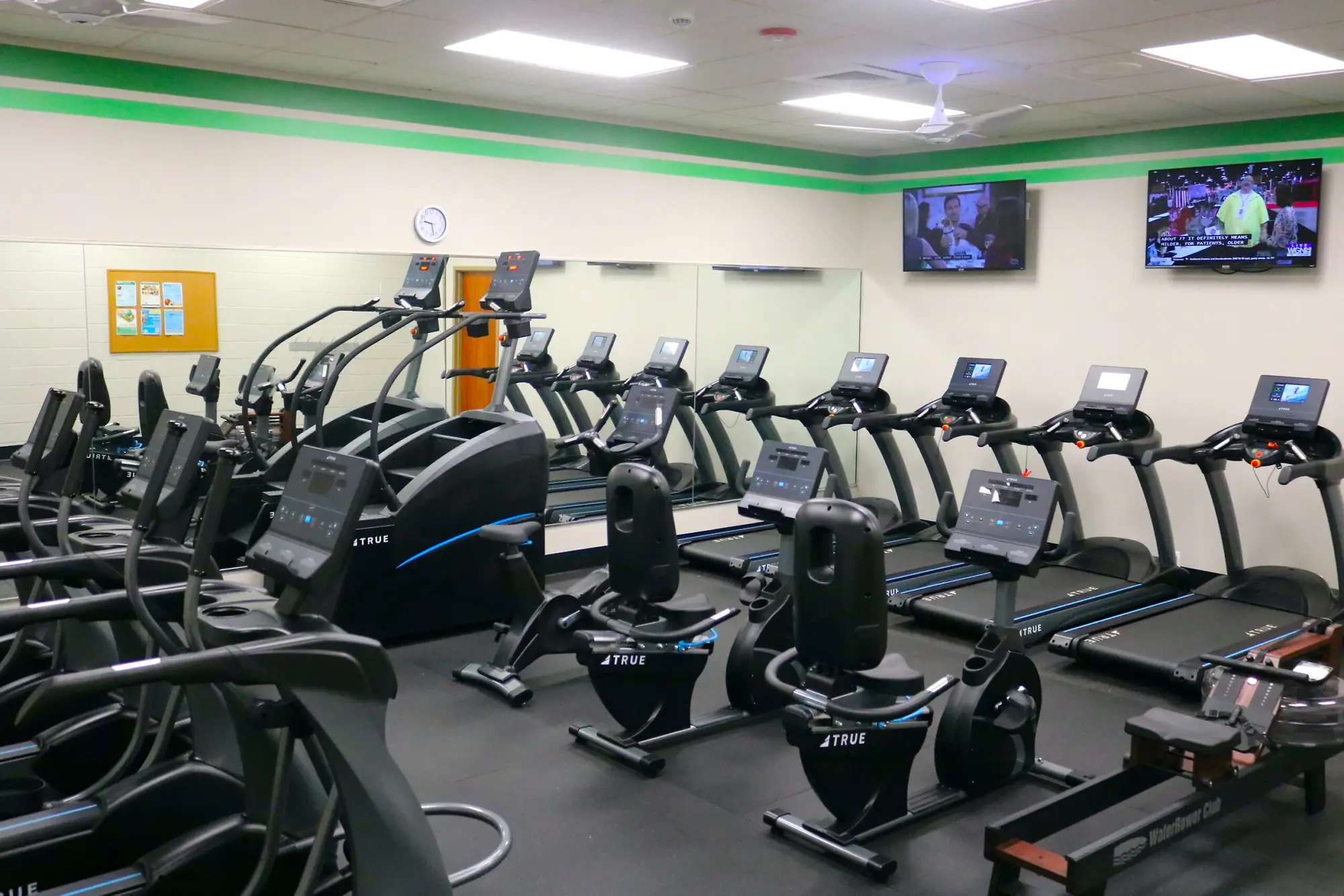
Local fitness centers also offer mental health benefits, as physical activity has been proven to reduce symptoms of depression and anxiety. Studies have found that exercise can be as effective as certain treatments in managing mild to moderate symptoms of depression. The serene environments and variety of classes at these centers provide peaceful retreats for individuals seeking mental health support.
Challenges and Solutions
1. Accessibility
One challenge faced by local fitness centers is accessibility. While many centers are conveniently located, some residents may still find it difficult to attend due to transportation or financial constraints. To address this issue, many centers have implemented initiatives such as offering scholarships for low-income individuals and partnering with local transportation services to provide free or discounted rides to the facility.
2. Staying Motivated
Another challenge is maintaining motivation to exercise consistently. To combat this, local fitness centers offer a variety of programs and challenges to keep members engaged and motivated. For example, many centers host fitness competitions, group challenges, and wellness workshops to encourage ongoing participation.
Conclusion
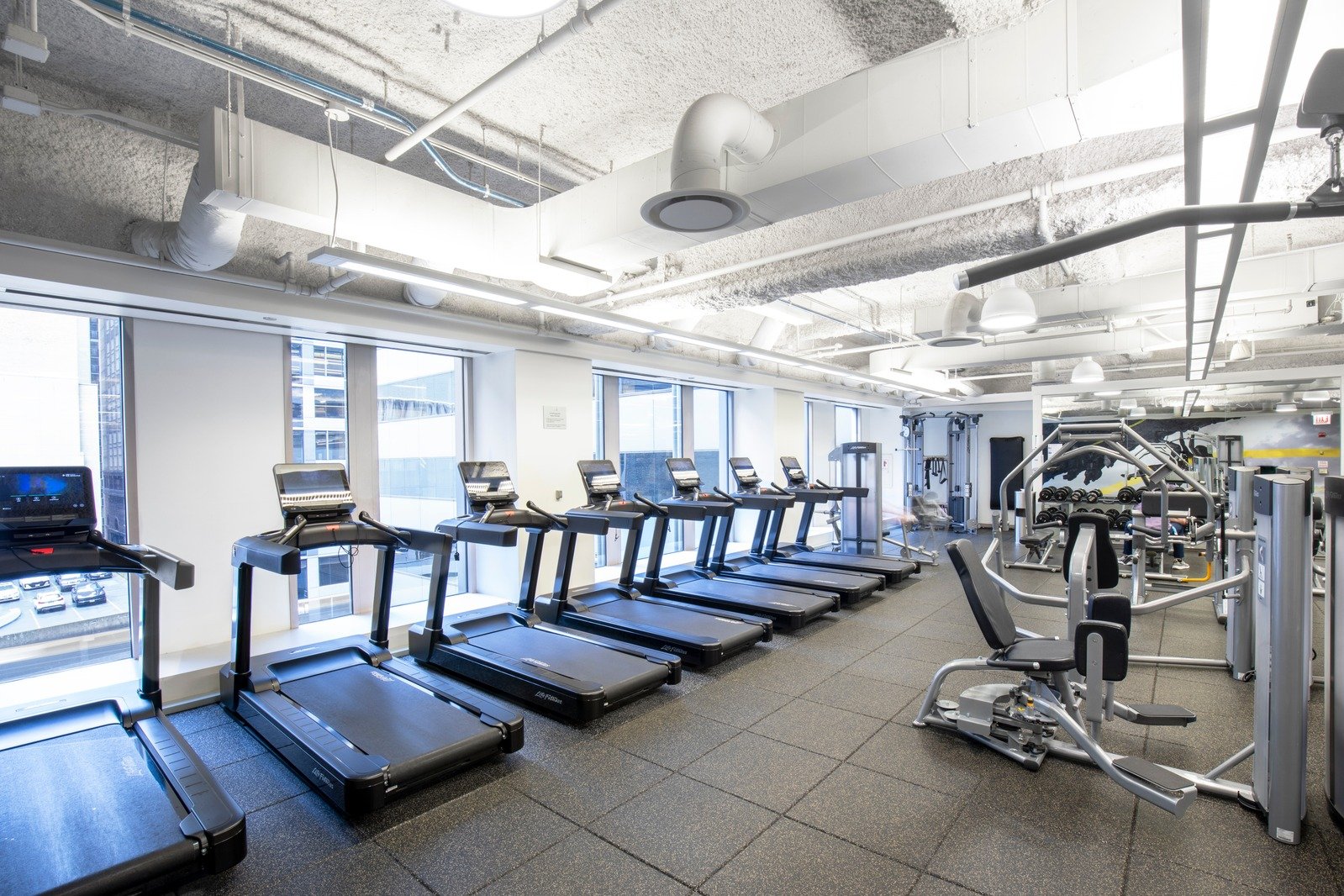
Local fitness centers have had a profound impact on community health and wellness. By promoting physical activity, fostering community engagement, and offering a wide range of health benefits, these centers have become essential resources for residents seeking to improve their overall well-being. As these centers continue to evolve and adapt to community needs, they are poised to play an even greater role in promoting health and wellness for years to come.
Recommendations and Future Research
To further enhance the impact of local fitness centers, the following recommendations are proposed:
1. Expand partnerships with local schools and businesses to promote physical activity among youth and employees.
2. Offer more diverse fitness classes and programs to cater to a wider range of interests and fitness levels.
3. Conduct research on the long-term health outcomes of regular exercise at these centers to better understand their impact on communities.
Future research should focus on the following areas:
1. The effectiveness of local fitness centers in reducing chronic diseases and improving overall health outcomes.
2. The impact of these centers’ programs on mental health and well-being.
3. Strategies for increasing accessibility and reducing barriers to participation in the centers’ programs.
By addressing these recommendations and focusing on future research, local fitness centers can continue to be vital resources for community health and wellness.