

Gym for All: A Cornerstone Hub for Community Health and Wellness
Introduction
In an era where sedentary lifestyles and health challenges are on the rise, the concept of “Gym for All” has gained significant momentum. This initiative is not just a physical space—it’s a cornerstone for fostering a healthy, active society. This article explores the importance of inclusive fitness spaces, their benefits, key challenges, and the future of community-focused wellness.
The Concept of Gym for All
What is a Gym for All?
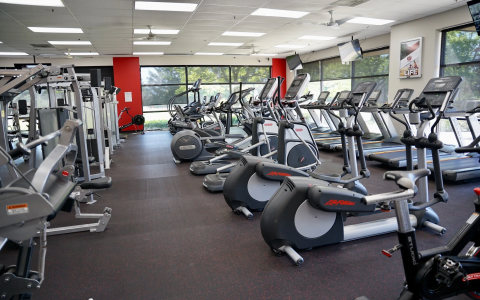
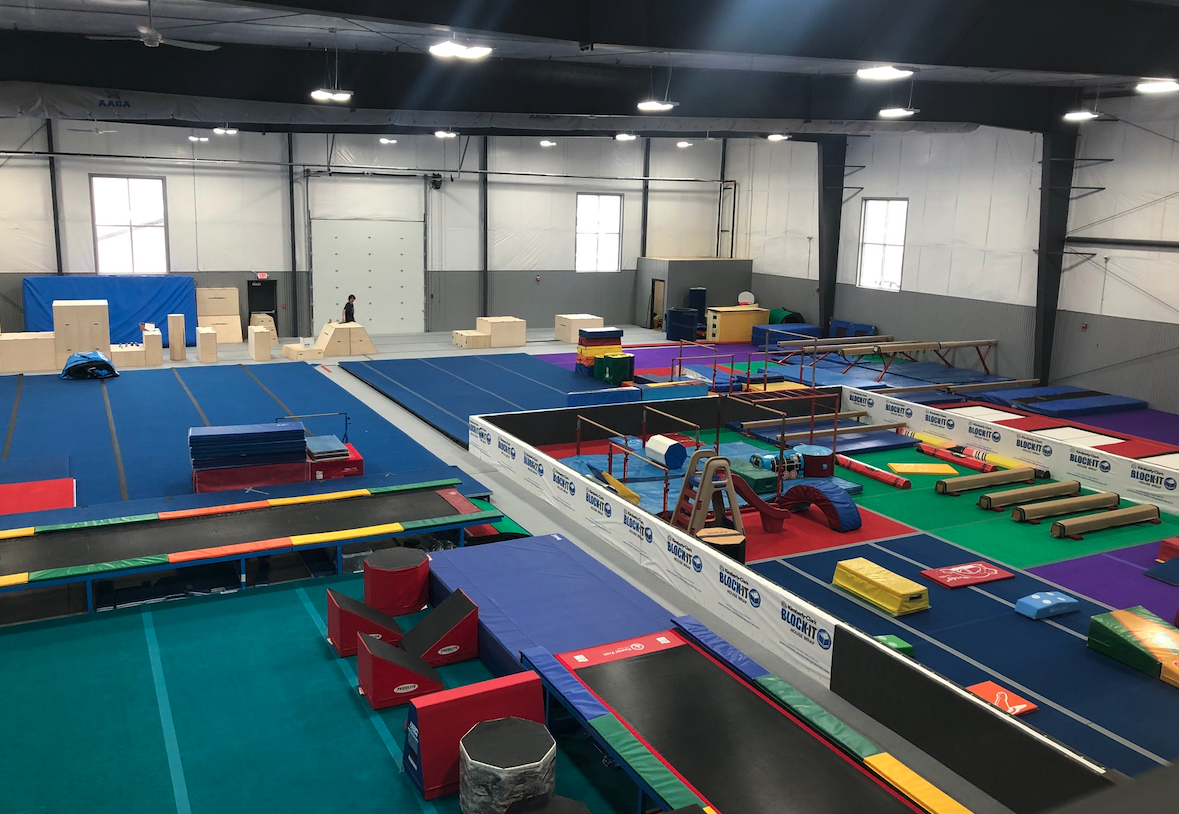
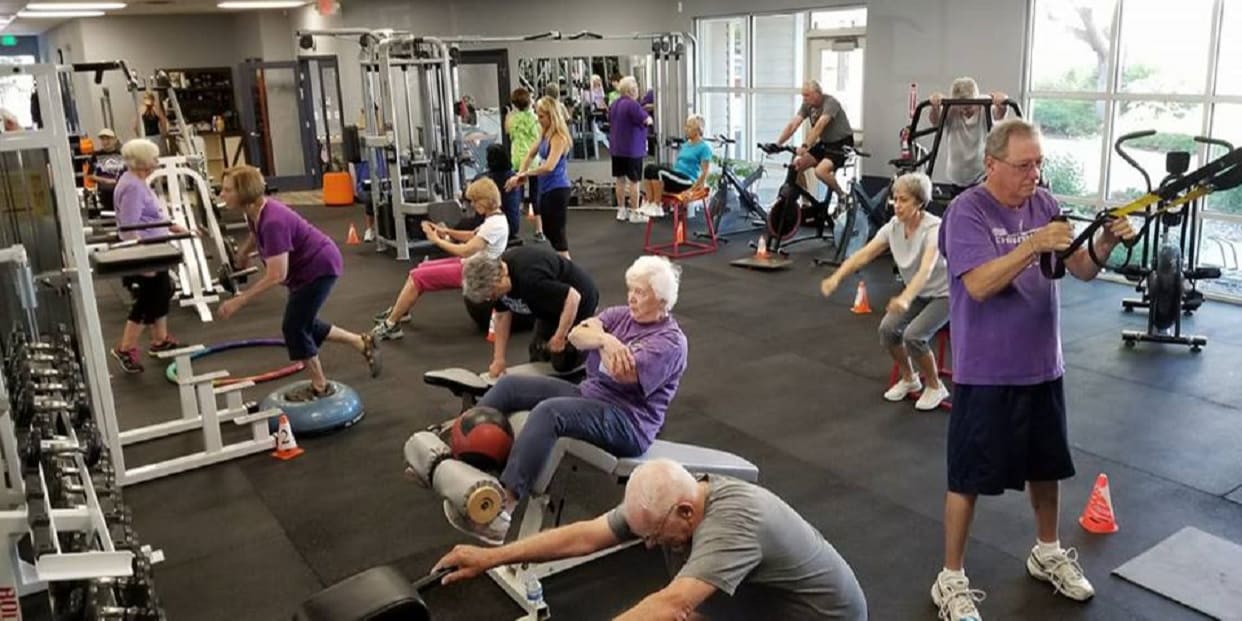
A Gym for All is a community-based fitness facility accessible to everyone, regardless of age, gender, income, or fitness level. Designed to promote physical activity, health, and well-being for all members of society, these spaces often feature a range of exercise equipment and classes tailored to diverse needs.

The Importance of Inclusivity
Inclusivity in fitness is critical for several reasons. First, it ensures individuals from all backgrounds have access to physical activity—essential for maintaining good health. Second, it helps break down social barriers and builds a sense of community. Third, it encourages a diverse range of fitness options, making it easier for people to find activities they enjoy and stick with long-term.
Benefits of a Gym for All
Health and Wellness
Regular physical activity reduces the risk of chronic conditions like heart disease, diabetes, and obesity. A Gym for All provides a safe, supportive environment for individuals to work toward their fitness goals, leading to improved overall health and well-being.
Social Benefits
Gyms for All foster a sense of community and belonging. They offer opportunities for social interaction, support, and motivation—especially beneficial for those who may feel isolated in traditional fitness settings.
Economic Benefits
Investing in Gyms for All yields significant economic benefits. By promoting physical activity, these spaces can lower healthcare costs linked to chronic diseases. Additionally, they stimulate local economies through job creation and increased spending on fitness-related products and services.
Challenges and Solutions
Accessibility
One key challenge of creating inclusive fitness spaces is ensuring accessibility. This includes physical accessibility (e.g., ramps, elevators) and financial accessibility (affordable or free memberships). Solutions include government subsidies, partnerships with local businesses, and community fundraising efforts.
Equipment and Programming
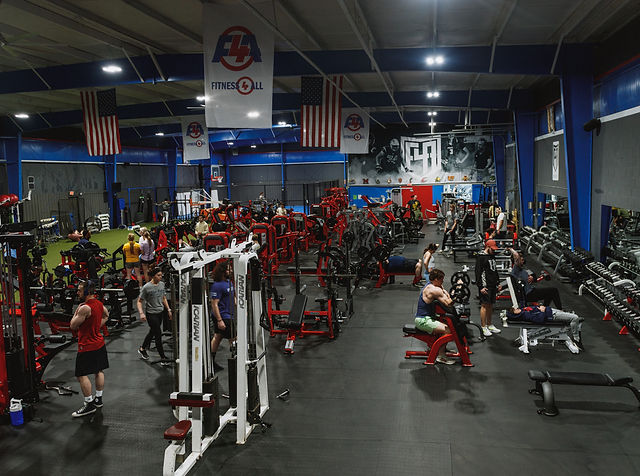
Another challenge is offering a diverse range of equipment and programming to cater to varying fitness levels and interests. Gyms for All can address this by collaborating with local fitness professionals and organizations to provide a variety of classes and equipment options.
Staff Training
Staff training is essential to ensure all members receive the support and guidance they need. Gyms for All should invest in comprehensive training programs focused on inclusivity, safety, and customer service.
Case Studies and Success Stories
Example 1: Community Center Fitness Space
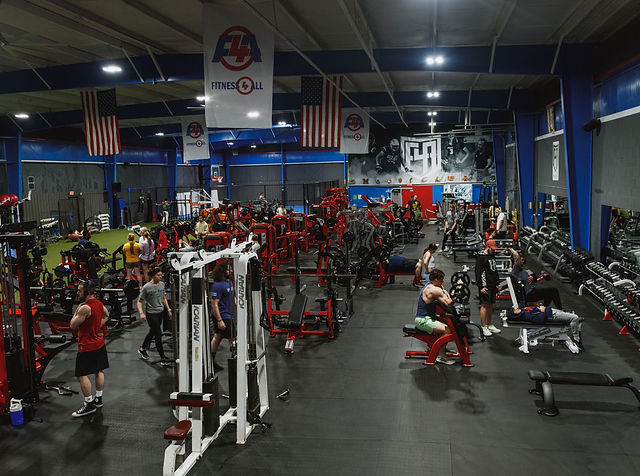
A community center fitness space in a major U.S. city is a strong example of a Gym for All. Open to all residents, it offers a range of classes, personalized training, and equipment. The space has seen steady membership growth and become a hub for community events and activities.
Example 2: Citywide Inclusive Fitness Initiative
A citywide inclusive fitness initiative in a major European city is a partnership between local government and community fitness providers. The program offers free or discounted memberships to low-income residents, ensuring equitable access to fitness facilities.
The Future of Gym for All
Technological Integration
The future of inclusive fitness spaces will likely involve greater technological integration. This could include virtual classes, personalized workout plans, and health monitoring tools—technologies that can make gyms more accessible and engaging for all users.
Policy and Advocacy
Government policies and advocacy efforts will play a key role in the future of Gym for All. By supporting the development of inclusive fitness facilities, governments can help build a healthier, more active society.
Conclusion
A Gym for All is not just a physical space—it’s a symbol of a society that values health, inclusivity, and community. By addressing challenges and embracing opportunities, these spaces can become cornerstones for a healthier, more active world. Moving forward, it’s essential to continue investing in and promoting inclusive fitness spaces to ensure everyone can benefit from physical activity.
Recommendations and Future Research
Recommendations
1. Governments should provide financial support and incentives for the development of Gym for All facilities.
2. Inclusive fitness spaces should prioritize accessibility and inclusivity in their design and programming.
3. Staff training should focus on inclusivity, safety, and customer service.
Future Research
1. Long-term health outcomes for individuals who regularly use inclusive fitness spaces.
2. Economic impact of inclusive fitness spaces on local communities.
3. Effectiveness of different strategies for promoting inclusivity in Gym for All facilities.



