


The Impact of University Gym Facilities on Student Health and Well-being
Introduction
University gym facilities, a key component of campus recreational resources, play a vital role in supporting students’ health and well-being. This article explores their significance in student life, how they promote physical fitness, and their broader impact on mental health and academic performance. By examining various aspects of gym operations and user experiences, it provides a comprehensive analysis of their importance within the campus community.
The Physical Benefits of University Gym Facilities
Physical Fitness and Health Promotion
The primary function of university gyms is to provide a space for students to engage in physical activities that boost fitness and health. Regular exercise is widely recognized for its numerous benefits, including improved cardiovascular health, increased muscle strength, and enhanced mental well-being. Research shows that physical activity can reduce the risk of chronic diseases such as obesity, diabetes, and heart disease.
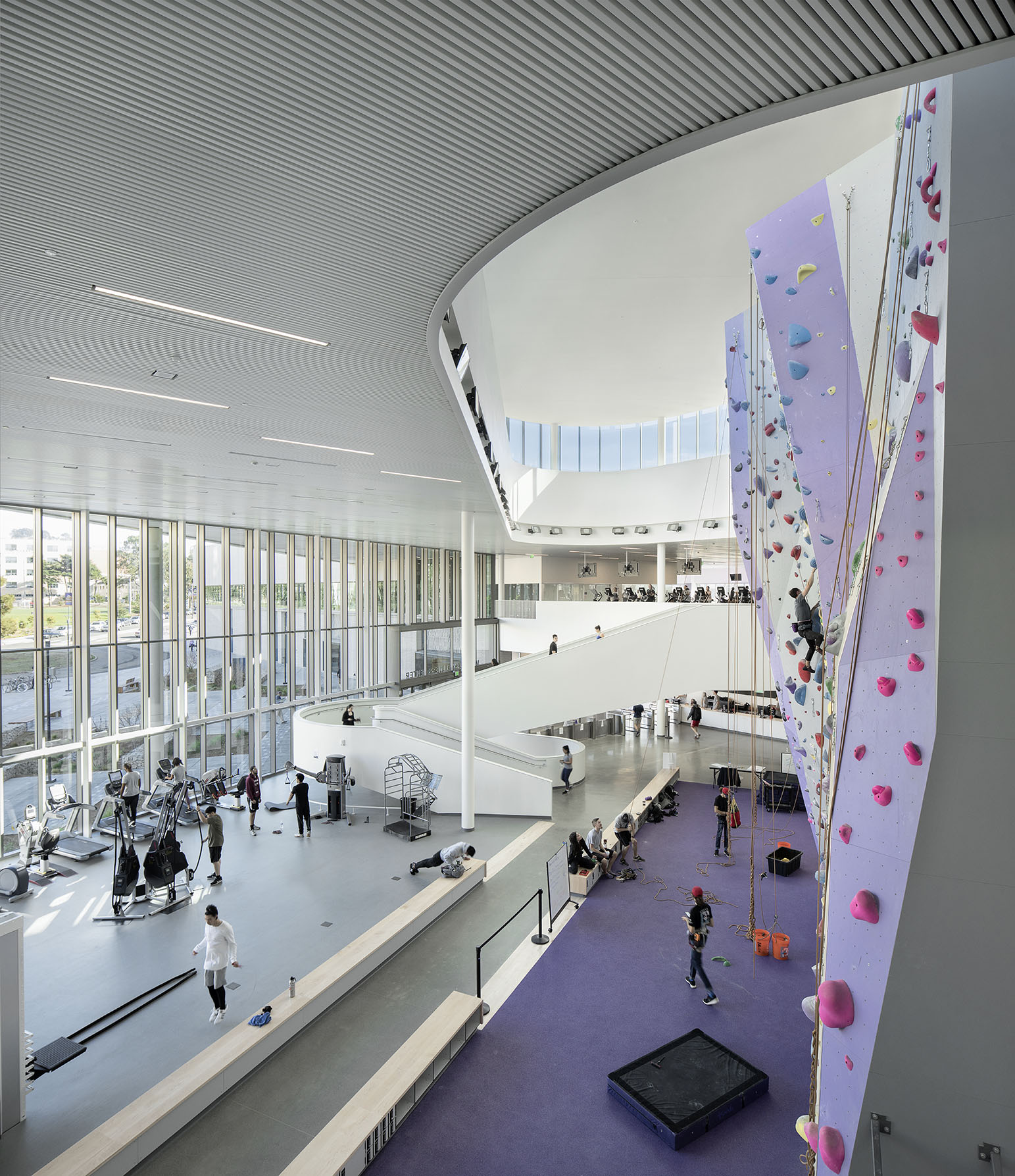
University gyms typically offer a variety of equipment and classes to cater to different fitness levels and interests. From treadmills and stationary bikes to free weights and yoga sessions, they provide a comprehensive range of options for students to maintain their physical health. By making these resources accessible, gyms encourage a culture of health and wellness within the campus community.
Mental Health and Academic Performance
The Psychological Impact of Exercise
In addition to physical benefits, university gyms have a significant impact on students’ mental health. Exercise has been shown to reduce symptoms of anxiety and depression, improve mood, and enhance cognitive function. Gyms serve as a sanctuary where students can escape the pressures of academic life and engage in activities that promote relaxation and stress relief.
The psychological benefits of gyms are not limited to individual students. Group activities, such as intramural sports and fitness classes, foster a sense of community and belonging. This social interaction can positively impact students’ mental health and overall well-being, contributing to a more supportive and inclusive campus environment.
Furthermore, the mental health benefits of regular exercise link to improved academic performance. Students who engage in physical activity tend to have better concentration, memory, and problem-solving skills. Gyms thus play a crucial role in supporting students’ academic success by providing a space for mental and physical rejuvenation.
The Role of University Gyms in Student Life
Community and Inclusion
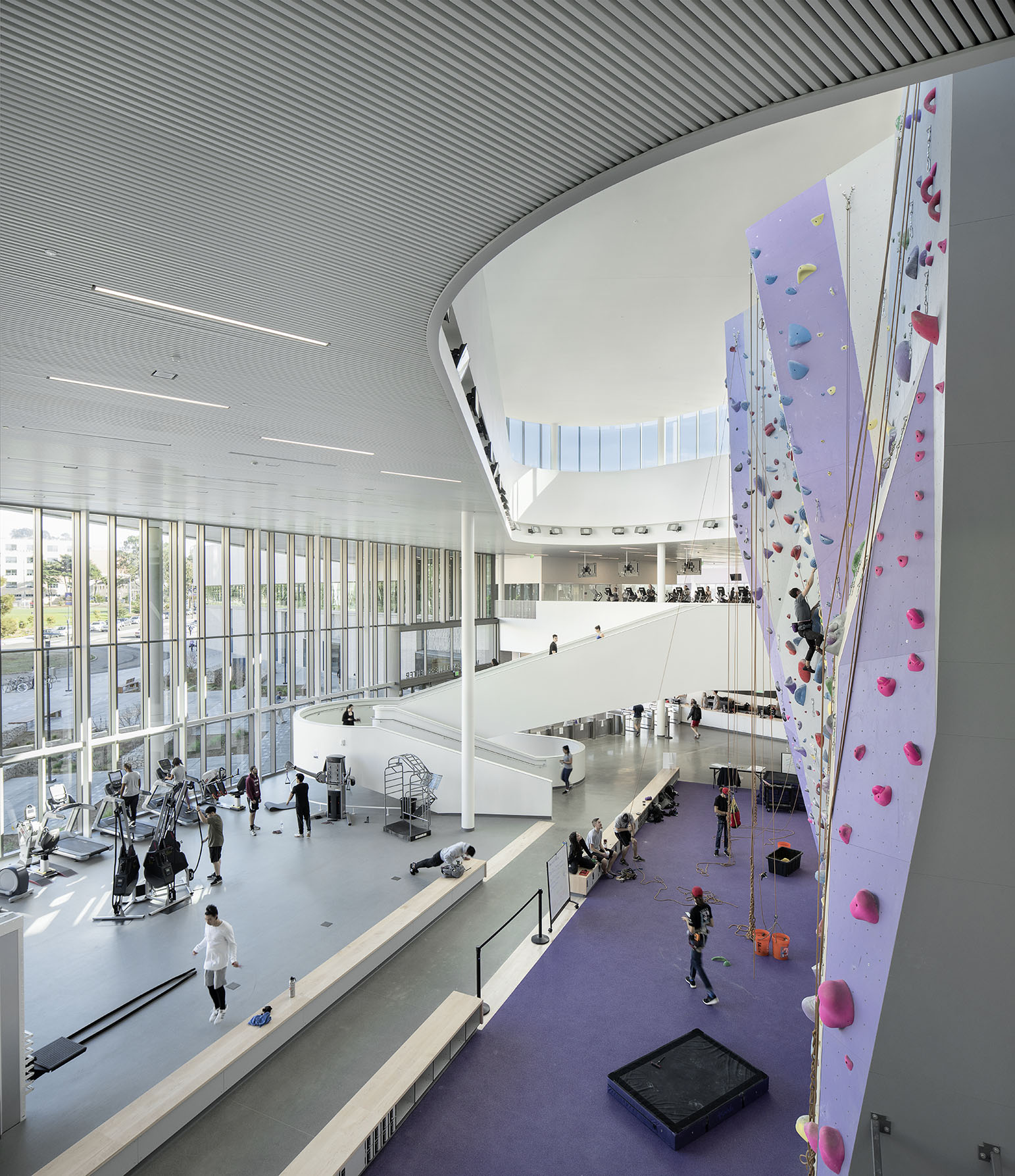
University gyms are not just spaces for physical activity—they are hubs for student life. They host various events and programs that encourage students to connect with one another and build community, from fitness challenges to wellness workshops. These initiatives serve as a platform for students to support each other.
The inclusive nature of university gyms reflects a commitment to serving the entire student population. Many gyms offer adaptive equipment and programs for students with disabilities, ensuring everyone has the opportunity to participate in physical activities. This focus on inclusion aligns with the campus’s broader mission to provide a diverse and welcoming environment for all students.
Challenges and Solutions
Addressing the Challenges of Maintaining a Vibrant Gym
Despite their many benefits, university gyms face several challenges. One key challenge is maintaining facilities to ensure they remain safe and welcoming for students. Regular maintenance and upgrades are essential to keep gyms in good condition, but they require significant funding.
To address this, universities could explore various funding options, such as grants, donations, and partnerships with local businesses. Additionally, gyms could implement a membership model that allows students to contribute to facility upkeep while enjoying membership benefits.
Another challenge is ensuring gyms remain accessible to all students, regardless of financial situation. To this end, universities could offer discounted or free memberships for students demonstrating financial need. This would help ensure gyms remain a valuable resource for all students, regardless of their background.
Conclusion

University gym facilities are a vital component of a campus’s commitment to student health and well-being. By providing space for physical activity, mental health support, and community engagement, they play a crucial role in promoting students’ overall wellness. As campuses continue to grow and evolve, it is essential to recognize the importance of maintaining and enhancing gym facilities and programs. By doing so, universities can ensure students have access to the resources they need to thrive both physically and mentally.
Recommendations and Future Research
To further improve gyms’ impact on student health and well-being, the following recommendations are proposed:
1. Increase funding for gym maintenance and upgrades to ensure a safe and welcoming environment.
2. Implement a membership model that allows students to contribute to gym upkeep while enjoying membership benefits.
3. Offer discounted or free memberships for students with financial need to ensure accessibility for all.

4. Conduct research on the long-term effects of gym usage on student health, mental well-being, and academic performance.
By addressing these recommendations and continuing to invest in gym facilities and programs, universities can solidify their position as leaders in promoting student health and well-being.



