

The Impact of Local Community Fitness Centers on Public Health and Wellness
Introduction
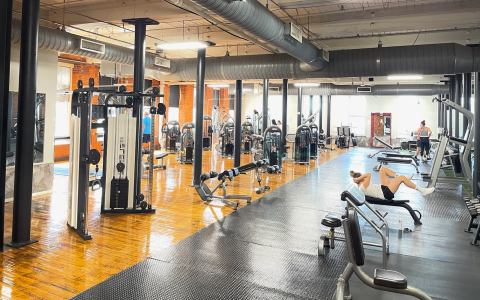
In the heart of a vibrant urban area, a leading community fitness center stands as a hub for health and wellness. This modern facility has become a cornerstone of the local community, offering a diverse range of fitness programs and services tailored to individuals of all ages and fitness levels. This article explores the impact of such community fitness centers on public health and wellness, providing insights into their role in promoting physical activity, mental well-being, and overall quality of life.
The Role of Community Fitness Centers in Promoting Physical Activity
Physical activity is a cornerstone of good health, and community fitness centers play a pivotal role in promoting this essential aspect of well-being. Regular physical activity is known to reduce the risk of chronic diseases such as heart disease, diabetes, and certain cancers. These centers offer a variety of fitness classes—including yoga, aerobics, and strength training—to encourage members to engage in consistent physical activity.
One of the key strengths of community fitness centers is their commitment to accessibility and inclusivity. They offer memberships at various price points, ensuring that individuals from diverse socioeconomic backgrounds can participate. Additionally, these centers provide specialized programs for children, seniors, and individuals with disabilities, creating an inclusive space for everyone.

Mental Health Benefits
The mind-body connection is central to overall well-being, and community fitness centers recognize this by offering programs that address both physical and mental health. Regular exercise has been shown to reduce symptoms of depression and anxiety. For example, serene yoga classes provide a peaceful environment for members to unwind and de-stress.
The social aspect of fitness is equally important. Community fitness centers foster a sense of belonging among members, offering opportunities for social interaction and mutual support. Group fitness classes, in particular, create camaraderie and motivation, making it easier for individuals to stick to their fitness routines.
Economic Impact
The economic impact of community fitness centers is significant. These facilities generate revenue through memberships and classes, create local jobs, and stimulate economic growth in the area.
Case Studies and Success Stories
To illustrate the impact of community fitness centers, consider real-life examples of positive change. Many individuals have reported improved health and well-being after consistent engagement with these facilities—such as weight loss, increased energy, and better overall health. Local partnerships, like those with schools to offer after-school fitness programs, have also led to positive outcomes for children, including improved focus and reduced health disparities.
Challenges and Future Directions
Despite their positive impact, community fitness centers face barriers that need to be addressed. These include lack of time, financial constraints, and transportation challenges. To overcome these, centers could offer flexible membership options, partner with local businesses for transportation solutions, and provide financial assistance to those in need.
To further enhance their impact, community fitness centers could explore expanding their services and programs. This might include adding specialized classes (such as senior fitness, prenatal yoga, and chronic condition management) and hosting community events or workshops on health and wellness topics.
Conclusion
Community fitness centers have made a significant impact on public health and wellness by promoting physical activity, supporting mental well-being, and fostering a sense of community. Their commitment to accessibility and inclusivity makes them valuable resources for individuals of all ages and fitness levels. As these centers continue to evolve and expand their offerings, they will undoubtedly play an even greater role in improving the health and quality of life of the communities they serve.