

The Importance of Kids Working Out: A Comprehensive Analysis
Introduction
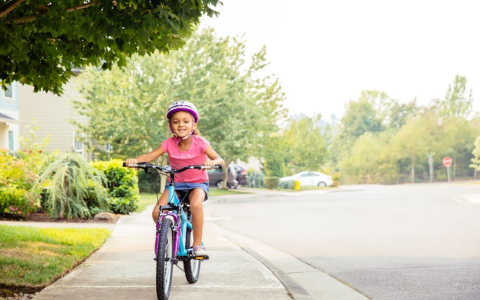
Physical activity is a cornerstone of a healthy lifestyle, and this principle holds true for children as well. The phrase kids working out encapsulates the concept of fostering a physically active generation. This article delves into the significance of physical exercise among children, examining its impact on health, development, and overall well-being. By exploring various aspects of kids working out, we aim to underscore the importance of incorporating physical activity into the daily routines of young individuals.
The Health Benefits of Kids Working Out
1. Physical Health
Regular physical activity in children can lead to a multitude of health benefits. Research indicates that children and adolescents who are physically active have a lower risk of developing obesity, high blood pressure, and type 2 diabetes. Engaging in physical exercise also strengthens bones and muscles, reducing the risk of osteoporosis and fractures later in life.
2. Mental Health
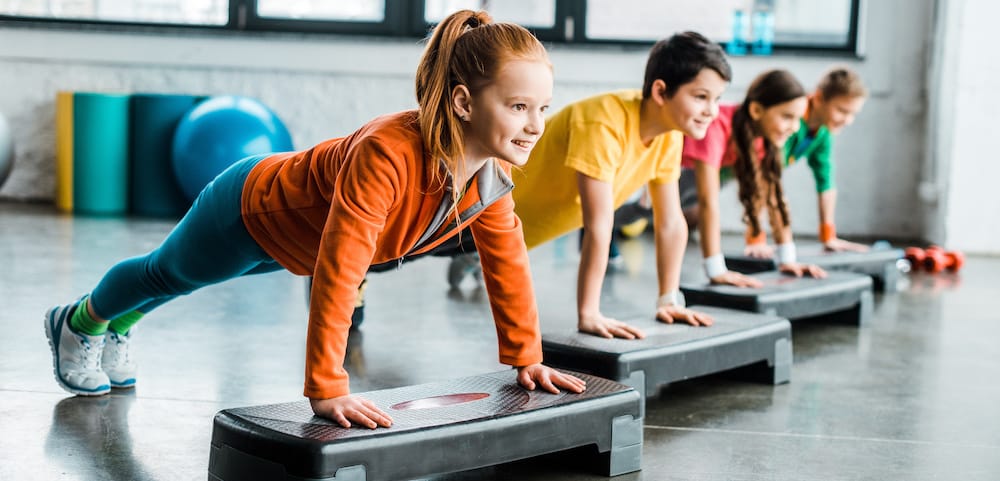
Physical activity has a profound impact on mental health. Studies have shown that kids working out can alleviate symptoms of depression and anxiety. Exercise stimulates the release of endorphins, which are natural mood lifters. Additionally, regular physical activity can improve sleep quality, enhance cognitive function, and boost self-esteem.
Developmental Benefits of Kids Working Out
1. Motor Skills
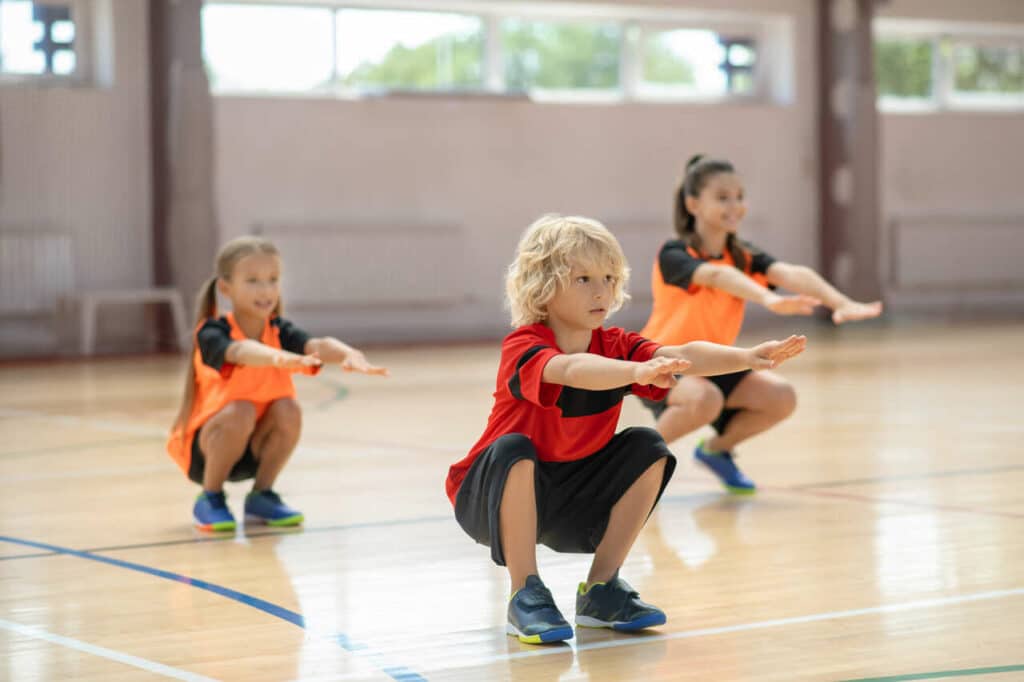
Engaging in physical activities helps children develop their motor skills. Activities such as running, jumping, and playing sports require coordination, balance, and strength. These skills are essential for everyday tasks and can also improve academic performance.
2. Social Skills
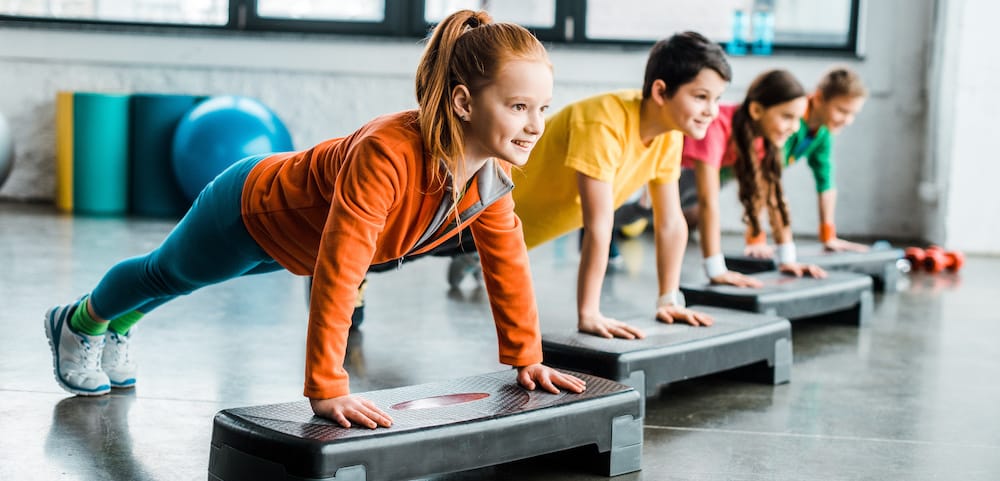
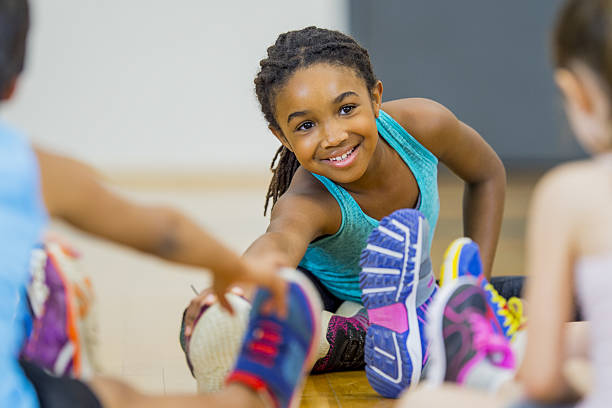
Kids working out in group settings, such as sports teams or fitness classes, can enhance their social skills. Physical activities provide opportunities for children to interact with peers, learn teamwork, and develop leadership qualities. These experiences can contribute to their overall social development.
The Role of Parents and Educators
1. Encouraging Physical Activity
Parents and educators play a crucial role in promoting physical activity among children. Encouraging kids to participate in sports, dance, or other physical activities can instill a lifelong love for exercise. Creating a supportive environment that emphasizes the importance of physical health can lead to better outcomes.
2. Providing Access to Resources
Access to physical activity resources is essential for kids working out. Schools, community centers, and local parks should provide opportunities for children to engage in physical activities. Additionally, parents can encourage their children to participate in extracurricular sports or fitness programs.
Challenges and Solutions
1. Lack of Time
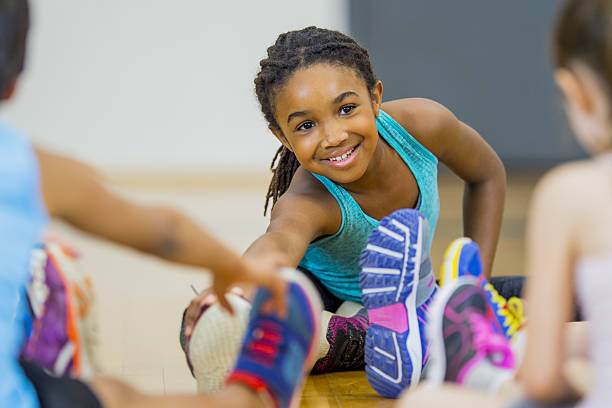
One of the primary challenges in promoting physical activity among children is the lack of time. With increasing academic demands and extracurricular activities, finding time for physical exercise can be difficult. However, incorporating short bursts of physical activity, such as active play or a quick workout, can still have significant benefits.
2. Sedentary Lifestyle
The rise of technology has contributed to a sedentary lifestyle among children. To counteract this, parents and educators should encourage screen-free time and promote active play. Setting limits on screen time and providing alternative activities can help children develop a more active lifestyle.
Conclusion
In conclusion, the importance of kids working out cannot be overstated. Physical activity has numerous health and developmental benefits, and it is crucial for parents and educators to prioritize physical fitness in children’s lives. By creating a supportive environment, providing access to resources, and addressing challenges, we can ensure that kids working out becomes a staple in the lives of young individuals. As we continue to promote physical activity among children, we can expect to see improvements in their overall well-being and a healthier future generation.
Recommendations and Future Research
To further enhance the benefits of kids working out, the following recommendations are proposed:
1. Implementing comprehensive physical education programs in schools.
2. Encouraging family-friendly physical activities, such as walking, cycling, or playing sports together.
3. Developing policies that promote physical activity in communities and schools.
Future research should focus on:
1. The long-term effects of physical activity on children’s health and well-being.
2. The most effective strategies for promoting physical activity among children from diverse backgrounds.
3. The role of technology in fostering a more active lifestyle among kids.
By addressing these recommendations and research areas, we can continue to prioritize kids working out and create a healthier, more active generation.



