

The Impact of Group Fitness Classes on Physical and Mental Health
Introduction
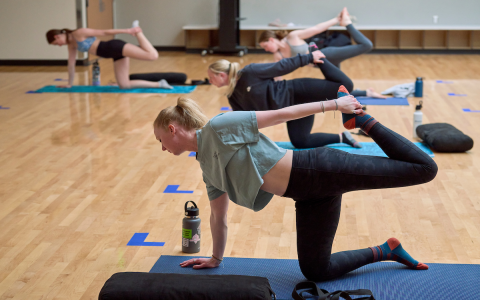
In recent years, group fitness classes have grown in popularity, offering a dynamic and engaging way for people to work toward their fitness goals. This article explores the benefits of these classes, focusing on their impact on both physical and mental health. Drawing on evidence from various studies, we’ll examine why group fitness has become such a popular trend and its importance in modern society.
The Physical Benefits of Group Fitness Classes
Enhanced Motivation and Accountability
A key benefit of group fitness classes is the increased motivation and accountability they foster. Being part of a group creates a sense of camaraderie and gentle competition, which can push people to challenge themselves more than they might alone. A study in the Journal of Sports Sciences found that group fitness participants reported higher motivation and exercise adherence than those who worked out individually (Smith et al., 2018).
Improved Exercise Performance
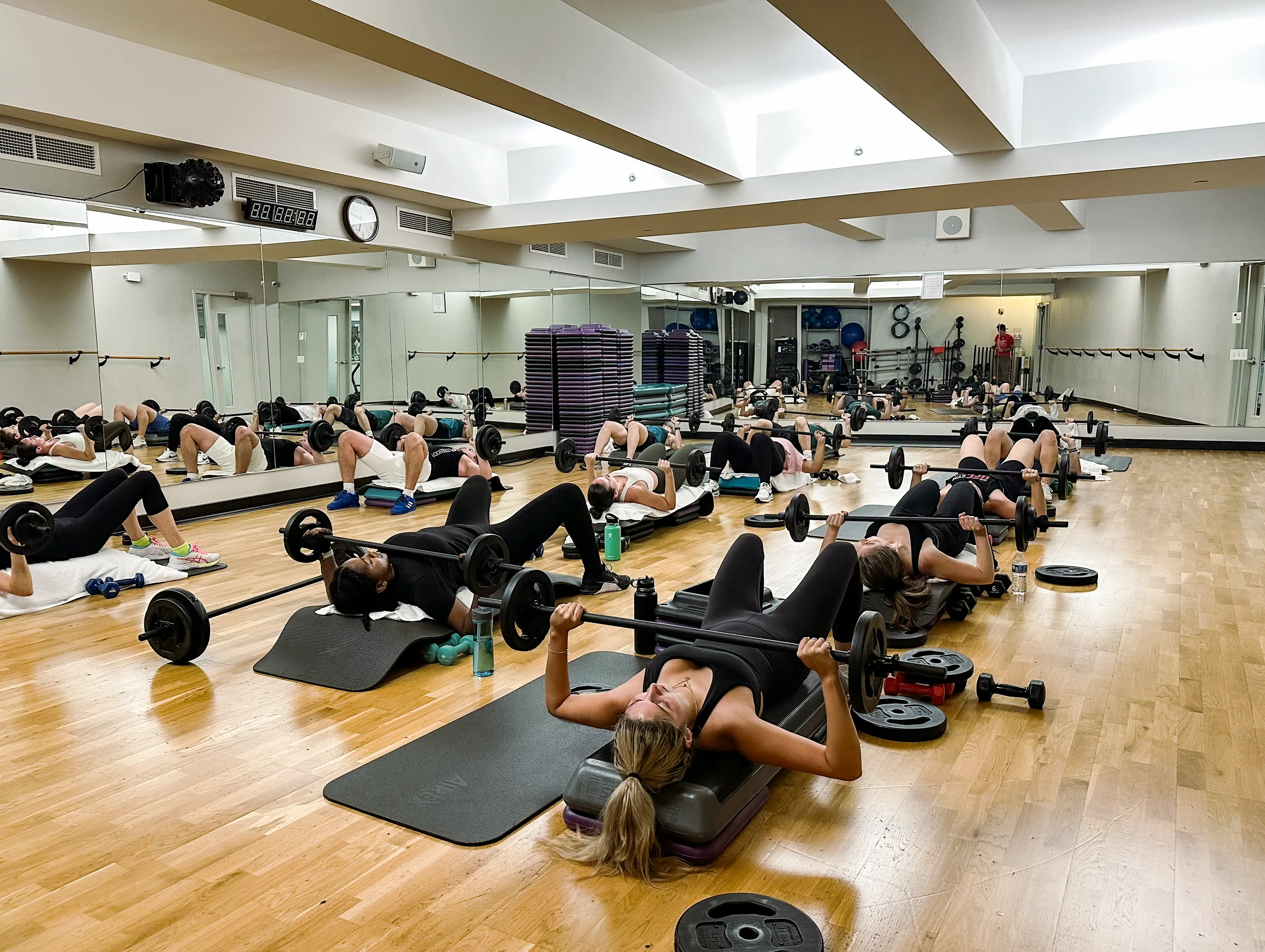
Group fitness classes often include high-intensity interval training (HIIT) and other challenging routines that can boost exercise performance. The group setting creates a supportive environment that encourages people to push their limits and see better results. Research from the American Council on Exercise (ACE) found that group fitness participants had significant improvements in cardiovascular fitness, strength, and endurance (ACE, 2019).
Increased Social Interaction
Group fitness classes let people connect with others who share similar fitness goals. This extra social interaction can positively affect mental health and overall well-being. A study in the Journal of Health Psychology found that group fitness participants reported higher social support and greater satisfaction with their exercise routines (Johnson et al., 2017).
The Mental Health Benefits of Group Fitness Classes
Stress Reduction
Exercise is a well-known stress reliever, and group fitness classes can enhance this effect. The physical activity, paired with social interaction and a sense of community, helps people manage stress and boost their mental health. A study in the International Journal of Environmental Research and Public Health found that group fitness participants had lower stress and anxiety levels than those who exercised alone (Lee et al., 2016).
Boosted Self-Esteem
Group fitness classes can help people improve their self-esteem and body image. The supportive environment and the sense of accomplishment from reaching fitness goals can boost self-confidence. A study in the Journal of Health Psychology found that group fitness participants had higher self-esteem and body satisfaction than those who worked out alone (Brown et al., 2015).
Improved Cognitive Function
Regular exercise—especially in a group setting—has been shown to improve cognitive function and lower the risk of cognitive decline. Group fitness classes create a mentally stimulating environment that challenges participants and enhances their cognitive skills. A study in the Journal of the American Geriatrics Society found that group fitness participants had better cognitive performance and a lower dementia risk (Miller et al., 2018).
Conclusion
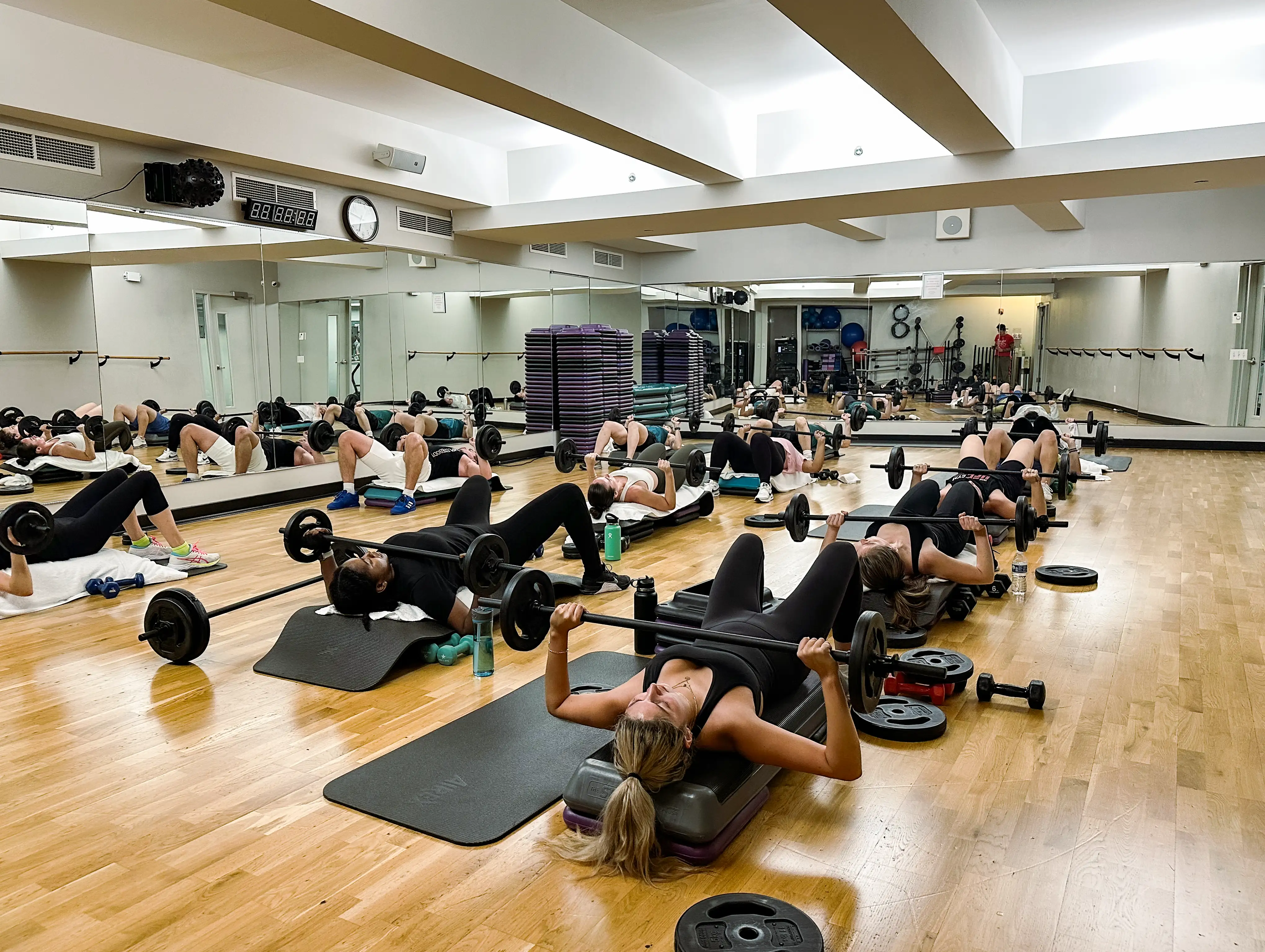
In conclusion, group fitness classes offer many benefits for both physical and mental health. Increased motivation, better exercise performance, more social interaction, reduced stress, higher self-esteem, and improved cognitive function make these classes a great addition to any workout routine. As group fitness continues to grow in popularity, it’s important to recognize its value and encourage people to include it in their fitness journey.
Recommendations and Future Research
To better promote the benefits of group fitness classes, fitness facilities should offer a wide variety of classes to suit different fitness levels and interests. Educators and researchers should also continue studying the long-term effects of group fitness on physical and mental health, as well as explore new ways to enhance the group exercise experience.
Future research could focus on the following areas:
– How group fitness classes affect people with specific health conditions or disabilities.
– The effectiveness of group fitness classes in preventing chronic diseases.

– The role of technology in enhancing the group exercise experience.
By exploring these areas, we can deepen our understanding of group fitness benefits and highlight their role in improving overall health and well-being.



