


The Impact of City Fitness Locations on Urban Health and Well-being
Introduction
In recent years, the concept of city fitness locations has gained significant traction as urban populations continue to grow and the demand for accessible fitness facilities increases. These locations, which range from small, local gyms to large, multi-purpose fitness centers, play a crucial role in promoting health and well-being within urban communities. This article aims to explore the importance of city fitness locations, their impact on urban health, and the potential benefits they offer to residents.
The Importance of City Fitness Locations
Accessibility and Inclusivity
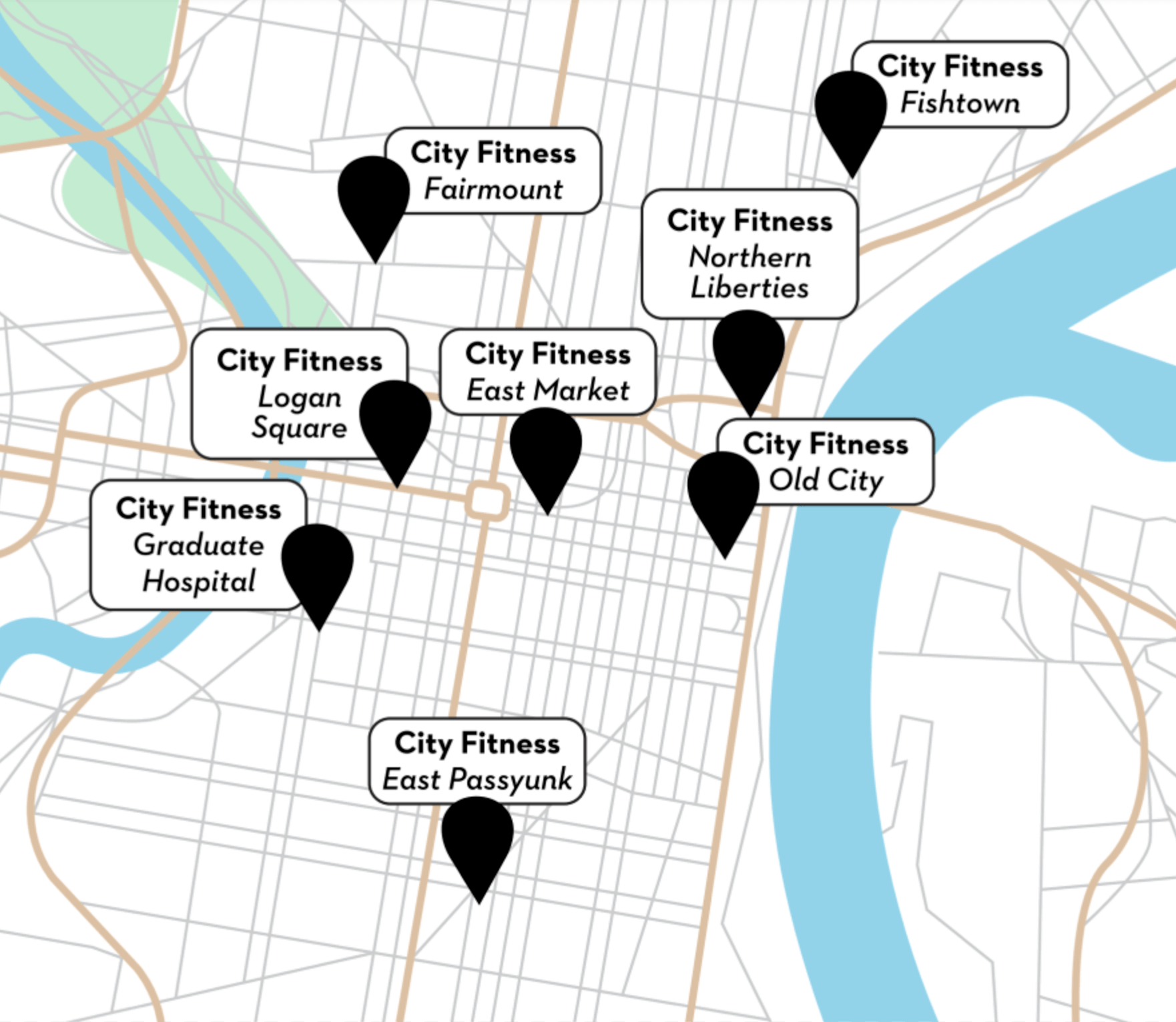
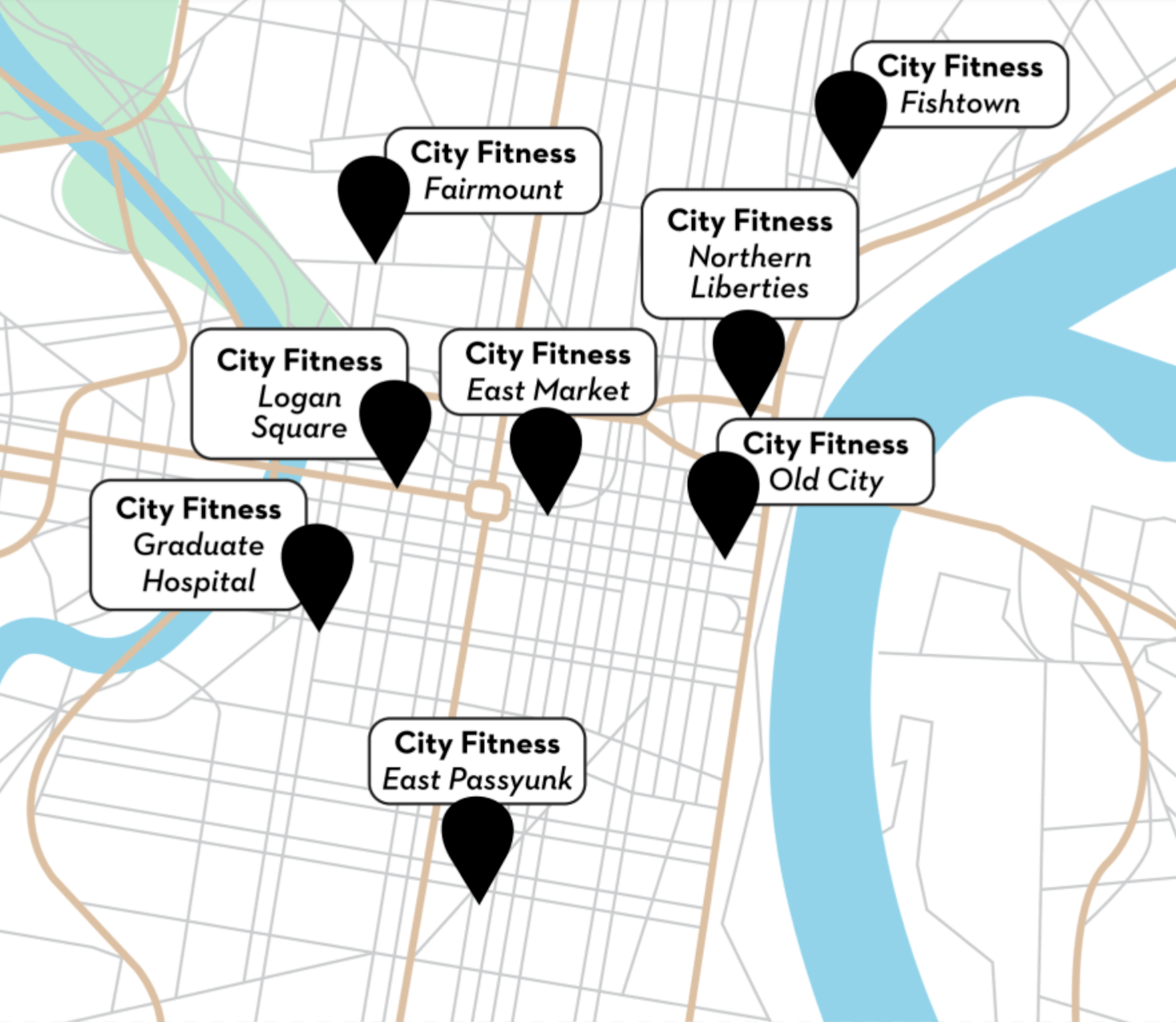
One of the primary reasons for the popularity of city fitness locations is their accessibility. These facilities are strategically placed within urban areas, making it easier for residents to incorporate physical activity into their daily routines. Being close to a fitness center is associated with higher levels of physical activity, and this accessibility ensures that individuals from all socio-economic backgrounds can benefit from the health-promoting opportunities these locations provide.
Community Engagement and Social Support
City fitness locations also serve as hubs for community engagement and social support. These facilities often host group fitness classes, workshops, and events that encourage residents to connect with one another. This sense of community can be particularly beneficial for individuals who may feel isolated or disconnected in urban environments. Social support is a well-recognized key factor in maintaining consistent physical activity levels.
The Impact on Urban Health
Physical Health Benefits
The physical health benefits of city fitness locations are well-documented. Regular physical activity, which can be facilitated by these locations, has been shown to reduce the risk of chronic diseases such as heart disease, diabetes, and obesity. Engaging in moderate to vigorous physical activity for at least 150 minutes weekly is linked to lower mortality risk, and city fitness locations provide the necessary infrastructure and resources to help residents achieve these health benefits.
Mental Health Benefits
In addition to physical health, city fitness locations also contribute to mental well-being. Exercise has been proven to reduce symptoms of depression and anxiety, and city fitness locations offer a variety of activities that can help individuals manage stress and improve their mental health. Regular exercise is associated with significant improvements in mood and cognitive function.
The Potential Benefits of City Fitness Locations
Environmental Benefits
City fitness locations can also have positive environmental impacts. By encouraging residents to engage in physical activity, these facilities can reduce reliance on motor vehicles, thereby decreasing air pollution and greenhouse gas emissions. Additionally, many city fitness locations are designed with sustainability in mind, using energy-efficient equipment and promoting recycling and conservation efforts.
Economic Benefits
The economic benefits of city fitness locations are significant. These facilities create jobs, generate revenue, and contribute to the local economy. Moreover, by promoting health and well-being, city fitness locations can reduce healthcare costs associated with chronic diseases, leading to long-term economic savings for both individuals and the community.
Conclusion
In conclusion, city fitness locations play a vital role in promoting health and well-being within urban communities. Their accessibility, community engagement opportunities, and health benefits make them an essential component of urban infrastructure. As urban populations continue to grow, the importance of these locations will only increase. It is crucial for policymakers, urban planners, and fitness facility operators to recognize the value of city fitness locations and work together to ensure their continued growth and success.
Recommendations and Future Research
To further enhance the impact of city fitness locations, the following recommendations are proposed:
1. Increase funding and support for the development and maintenance of city fitness locations.
2. Collaborate with local governments and community organizations to create inclusive and accessible fitness programs.

3. Conduct ongoing research to evaluate the effectiveness of city fitness locations in promoting health and well-being.
Future research should focus on the following areas:
1. The long-term health outcomes of individuals who regularly use city fitness locations.
2. The economic and environmental impacts of city fitness locations on urban communities.
3. The role of technology in enhancing the accessibility and effectiveness of city fitness locations.
By addressing these recommendations and conducting further research, we can ensure that city fitness locations continue to be a valuable resource for urban health and well-being.



