

The Impact of 24/7 Fitness Centers on Urban Health and Fitness Culture
Introduction
In busy urban areas where daily life moves quickly and demands are high, fitness concepts have evolved to meet the needs of diverse communities. 24/7 fitness centers have emerged as a convenient, health-focused option, offering flexible experiences tailored to residents’ busy schedules. This article explores how such centers impact local health and fitness landscapes—examining their role in encouraging physical activity, key unique features, and potential to shape future fitness trends.
The Growth of 24/7 Fitness Centers in Urban Areas
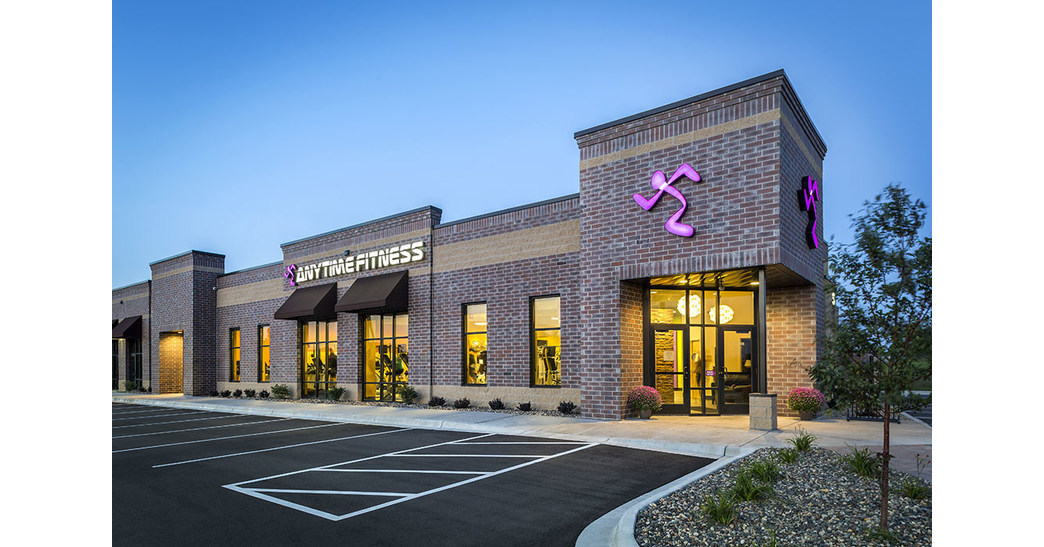
24/7 fitness centers with multiple urban locations have become known for accessibility and flexibility. Their core concept is straightforward yet innovative: round-the-clock access so members can work out at any time, fitting fitness into their busy schedules. This approach has connected well with city residents, who prioritize the freedom to exercise on their own terms.
Accessibility and Inclusivity
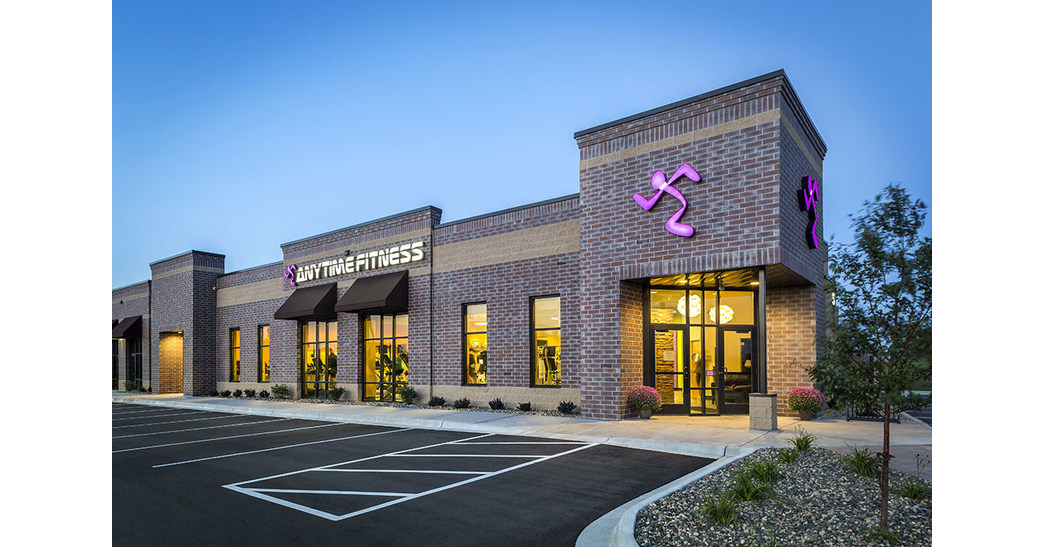
A key strength of these centers is their focus on accessibility. Round-the-clock access serves people with irregular work hours or those who prefer off-peak exercise times. This inclusive approach has helped more people engage in regular physical activity—critical for overall health and well-being.
The Experience at Urban 24/7 Fitness Centers
State-of-the-Art Facilities
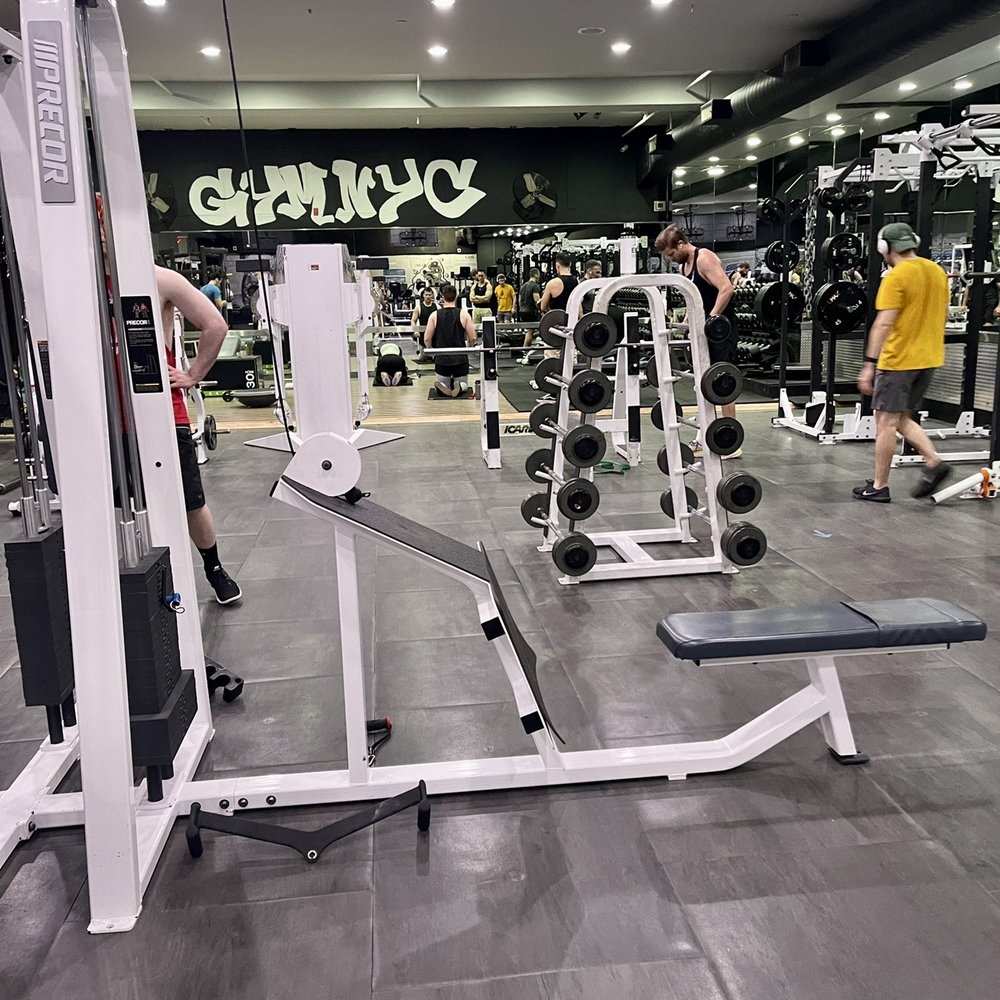
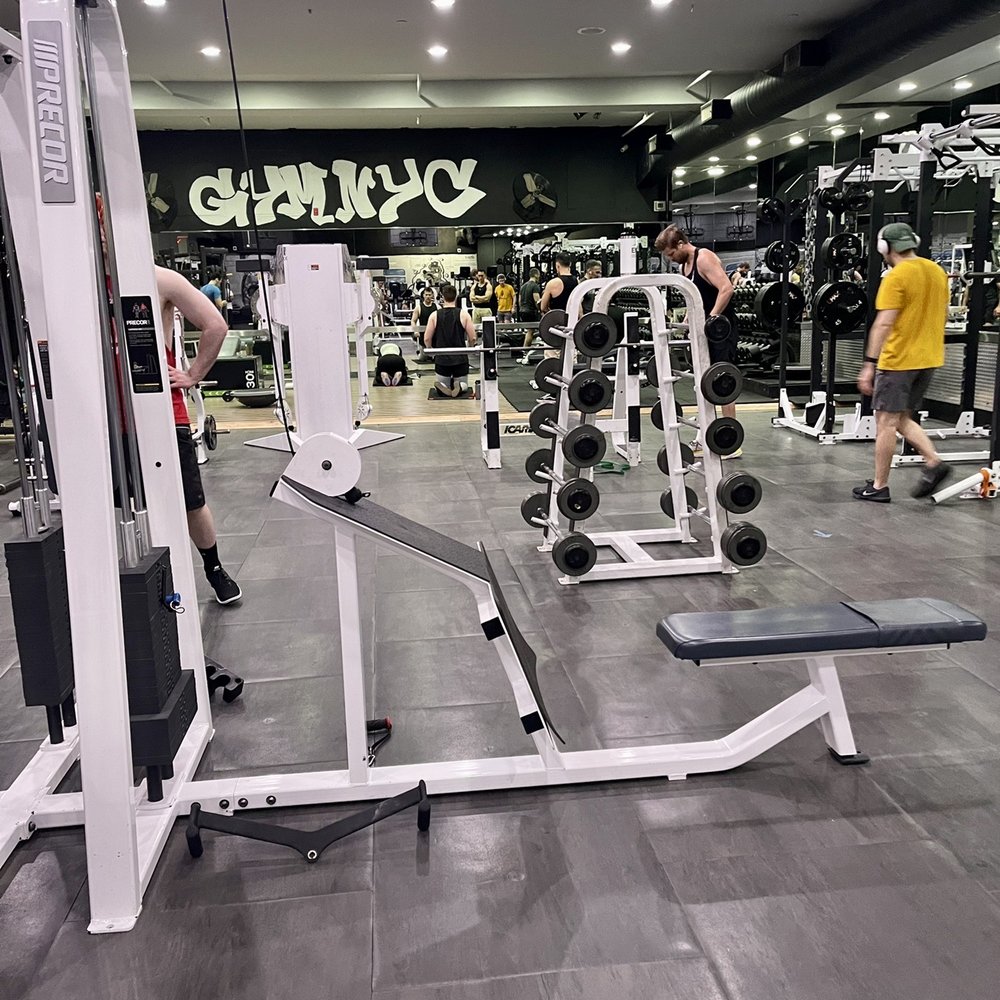
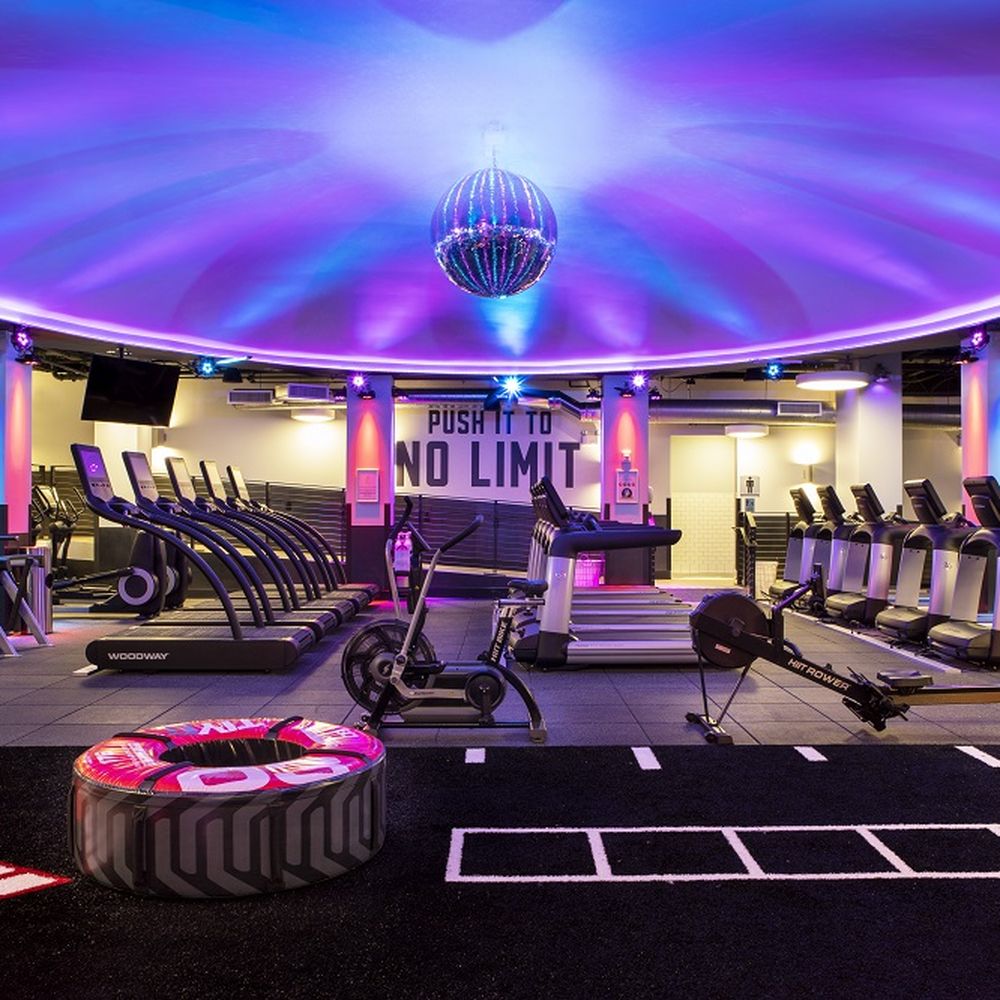
These centers feature modern facilities with the latest fitness equipment. This gives members access to diverse workout options—from cardio machines to strength training tools. Well-maintained, clean spaces enhance the overall positive workout experience.
Personalized Training
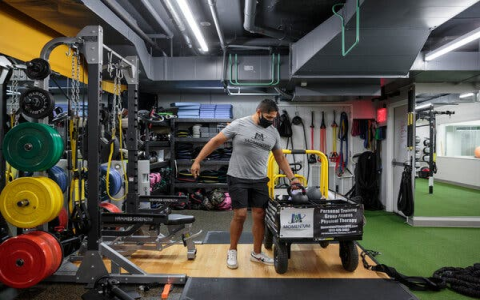
Recognizing that each person has unique fitness goals, these centers offer personalized training sessions. Trained professionals provide guidance and support to help members reach their objectives more effectively. This tailored approach is a key driver of their success, as it meets the diverse needs of members.
Community and Support
These centers nurture a sense of community among members. Regular group classes, challenges, and social events build a supportive space where people motivate and inspire one another. This community feeling is vital for sustaining motivation and reaching long-term fitness goals.
Health Benefits of Urban 24/7 Fitness Centers
Physical Health
Regular exercise is widely recognized to boost physical health. These centers offer a platform for consistent physical activity, leading to benefits like better cardiovascular health, increased muscle strength, and improved flexibility.
Mental Health
Exercise has a significant impact on mental health, reducing stress, anxiety, and symptoms of depression. The convenience and flexibility of these centers make it easier for people to add exercise to their daily routines, supporting better mental well-being.
Economic Impact of Urban 24/7 Fitness Centers
Job Creation
The growth of these centers has created many job opportunities—from gym staff to personal trainers. This economic impact goes beyond the fitness sector, contributing to the broader local economy.
Revenue Generation
The success of these centers has generated meaningful revenue, which is reinvested in expansion and facility improvements. This economic success also supports the local economy through taxes and business spending.
The Future of Fitness: Insights from Urban 24/7 Fitness Centers
Technology Integration
These centers have integrated technology to enhance the fitness experience. Examples include smart equipment that tracks progress and mobile apps with personalized workout plans—features likely to become standard in the fitness industry.
Community-Centric Approach
The focus on community and support at these centers is likely to shape future fitness trends. As more people recognize the value of social connections in reaching fitness goals, facilities that prioritize community engagement will continue to succeed.
Conclusion
Urban 24/7 fitness centers have made a notable impact on local health and fitness landscapes. By prioritizing accessibility, personalized training, and community, these facilities have become a key part of city fitness culture. Their health benefits, economic contributions, and innovative approach serve as a model for the future of fitness. As cities evolve, these centers remain a testament to how convenience, commitment, and community can support health and well-being.



