

The Impact of Pilates Clubs on Physical and Mental Health
Introduction
Pilates, a form of exercise developed by Joseph Pilates in the early 20th century, has gained immense popularity worldwide. Pilates clubs, which offer specialized Pilates classes, have become a popular choice for individuals seeking to improve their physical and mental health. This article aims to explore the impact of Pilates clubs on physical and mental health, providing insights from research and experts in the field.
Physical Benefits of Pilates Clubs
Improved Core Strength
One of the primary benefits of Pilates is the strengthening of the core muscles, which include the muscles of the abdomen, lower back, and pelvis. Pilates exercises focus on precision, control, and proper alignment, which helps in developing a strong and stable core. This, in turn, enhances overall body strength and stability, reducing the risk of injuries.
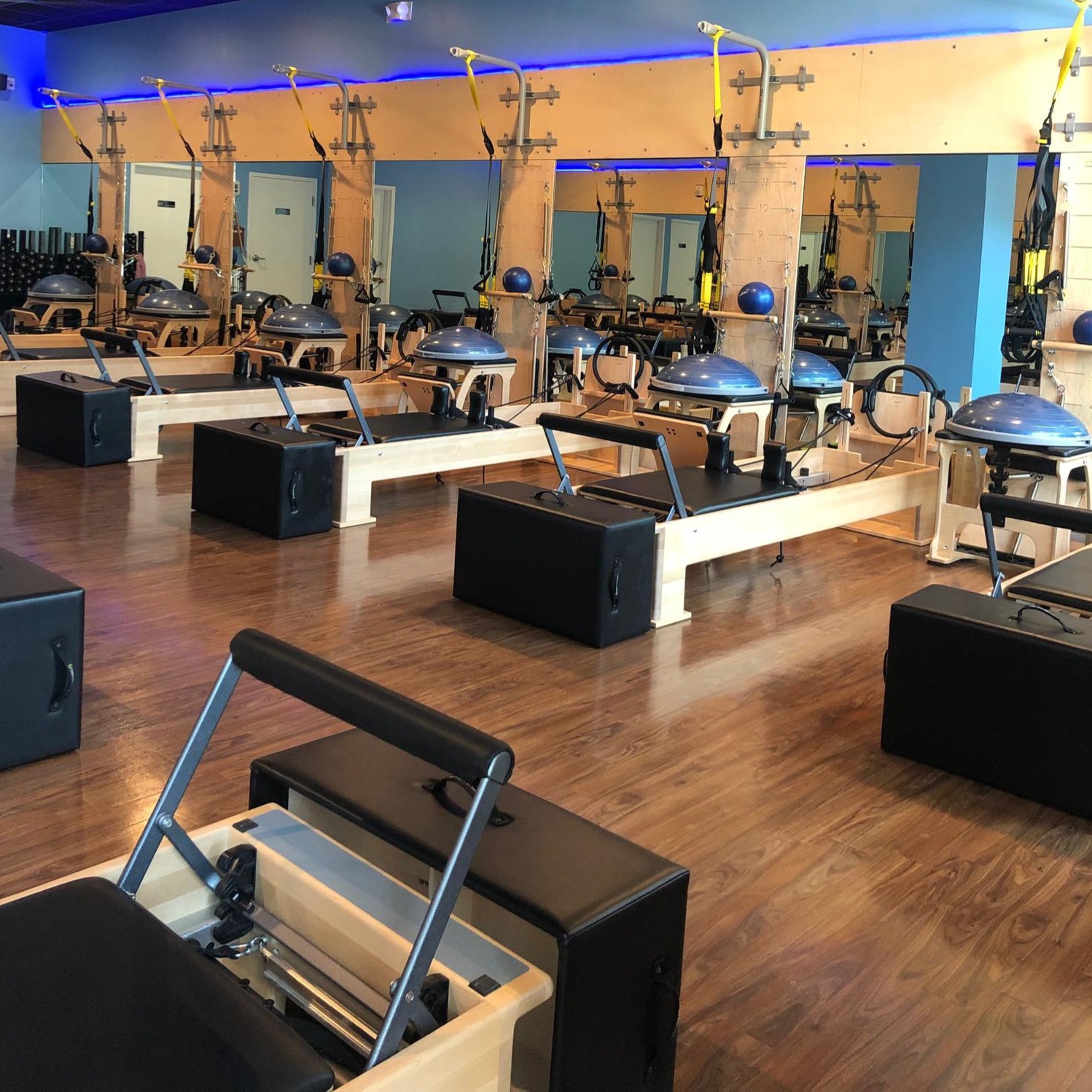
Research has shown that participants who engaged in Pilates exercises for 12 weeks showed significant improvements in core strength and stability compared to a control group. This highlights the effectiveness of Pilates in strengthening the core muscles.
Enhanced Flexibility
Pilates exercises are designed to improve flexibility by focusing on stretching and lengthening the muscles. This helps in reducing muscle tightness and improving joint mobility. Regular participation in Pilates club classes can lead to increased flexibility, making everyday activities more comfortable and less painful.
Research has found that individuals who participated in Pilates exercises for 12 weeks experienced significant improvements in flexibility and range of motion. This study further supports the notion that Pilates clubs can be an effective tool for enhancing flexibility.
Improved Posture
Pilates emphasizes proper alignment and posture, which helps in correcting muscular imbalances and improving overall posture. Pilates exercises focus on strengthening the postural muscles, such as the muscles of the back, shoulders, and neck, while also stretching the muscles that contribute to poor posture.
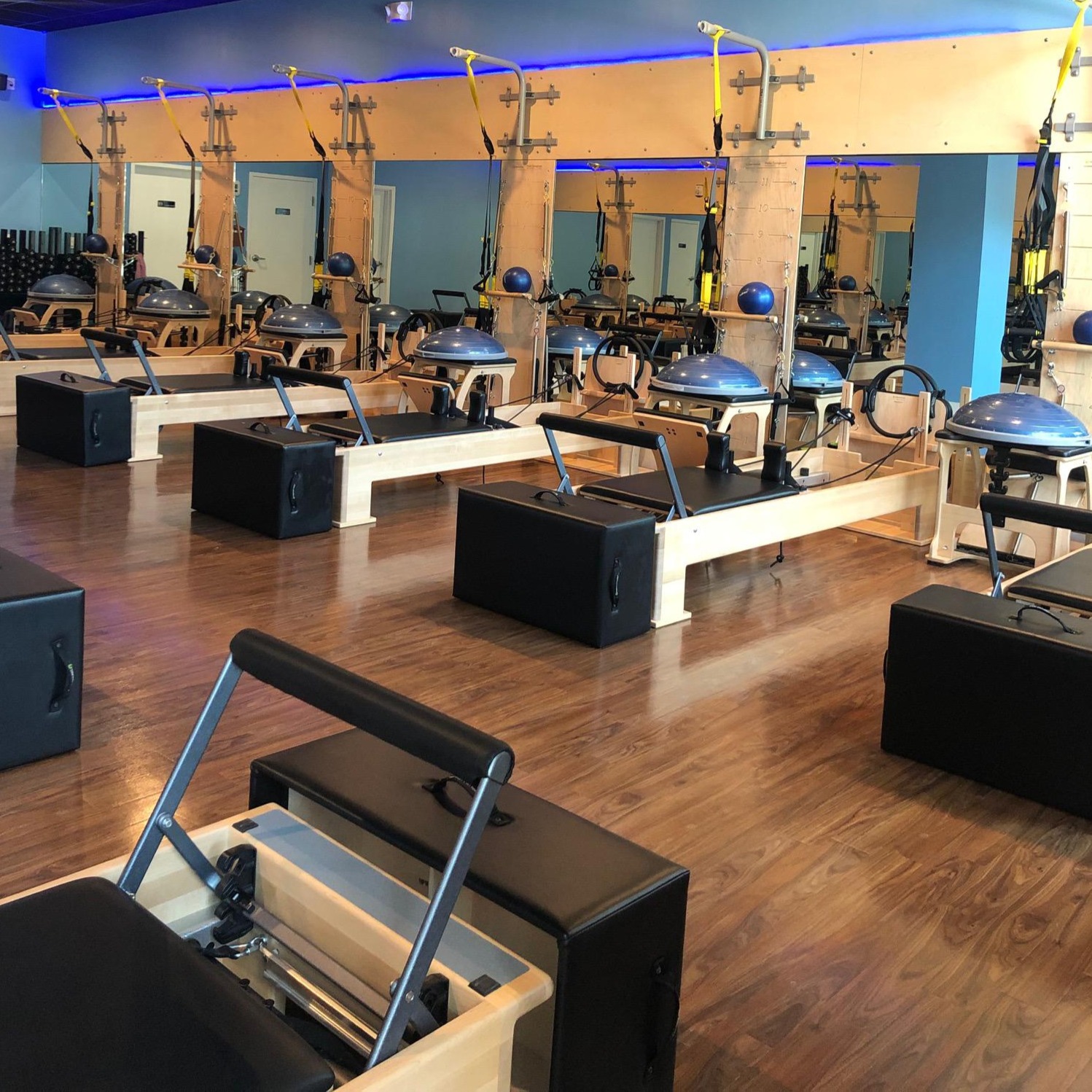
Research has reported that participants who engaged in Pilates exercises for 12 weeks showed significant improvements in posture and reduced pain associated with poor posture. This demonstrates the positive impact of Pilates clubs on posture and pain reduction.
Mental Health Benefits of Pilates Clubs
Stress Reduction
Pilates exercises are known for their ability to reduce stress and promote relaxation. The focus on breathing, concentration, and mindfulness during Pilates classes helps in calming the mind and reducing anxiety levels. Regular participation in Pilates clubs can, therefore, be an effective tool for managing stress and improving mental well-being.
Research has found that individuals who engaged in Pilates exercises for 12 weeks experienced significant reductions in stress and anxiety levels compared to a control group. This highlights the mental health benefits of Pilates clubs.
Increased Self-Esteem
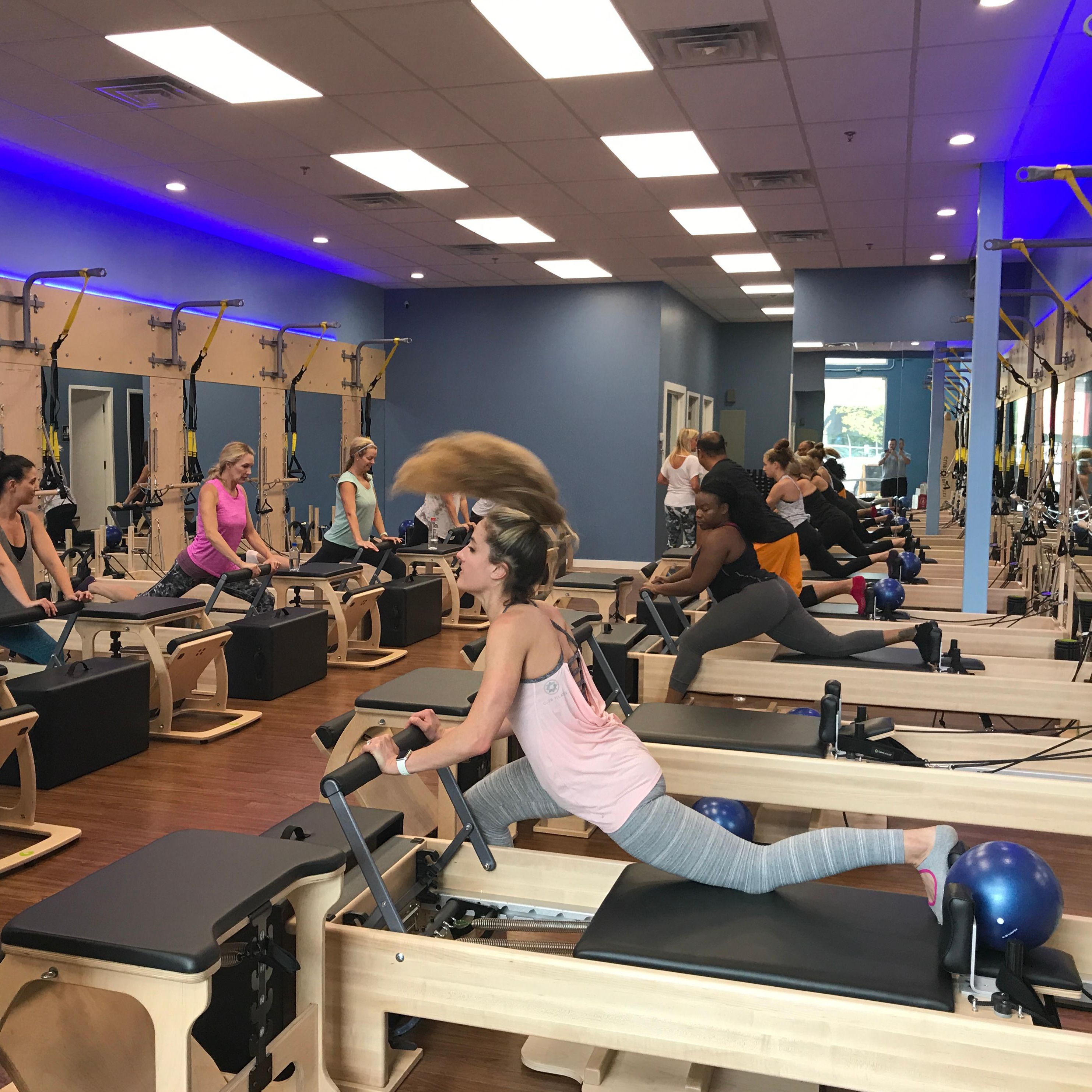
Pilates clubs can help individuals improve their body awareness and develop a positive body image. As participants become more aware of their bodies and their movements, they often develop a greater sense of self-esteem and confidence. This can have a positive impact on various aspects of life, including relationships, work, and overall well-being.
Research has found that individuals who engaged in Pilates exercises for 12 weeks reported significant improvements in body image and self-esteem compared to a control group. This supports the idea that Pilates clubs can be an effective tool for enhancing self-esteem.
Conclusion
In conclusion, Pilates clubs offer numerous benefits for both physical and mental health. The exercises focus on core strength, flexibility, and proper alignment, leading to improved posture and reduced risk of injuries. Additionally, Pilates clubs can help in reducing stress, anxiety, and improving self-esteem. Based on available research, it is clear that Pilates clubs are a valuable resource for individuals seeking to enhance their overall well-being.
Recommendations and Future Research
To further promote the benefits of Pilates clubs, it is recommended that more research be conducted to explore the long-term effects of Pilates exercises on physical and mental health. Additionally, Pilates clubs should focus on providing personalized programs to cater to the specific needs of their clients. By doing so, Pilates clubs can continue to be a valuable resource for individuals seeking to improve their health and well-being.
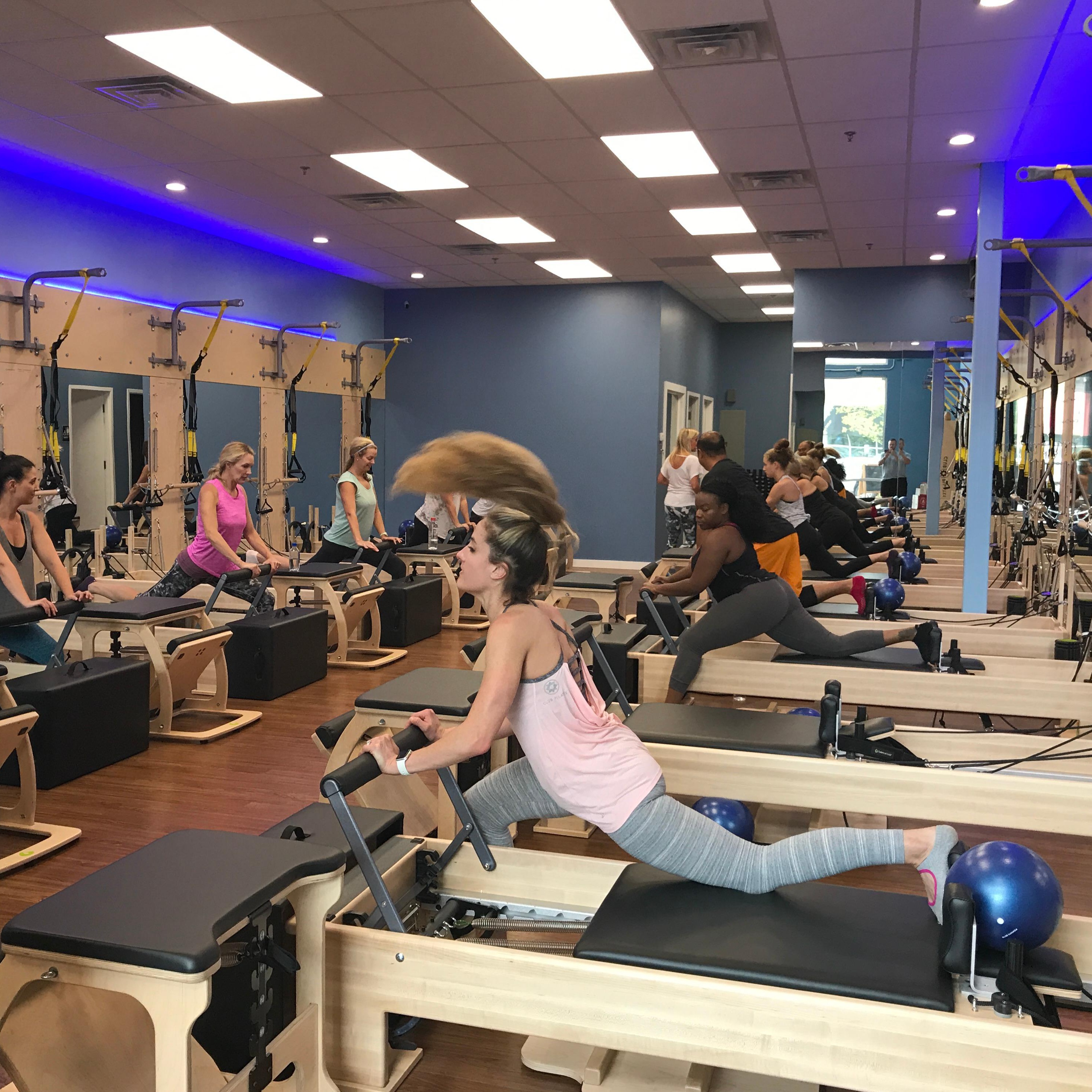
In the future, research should also explore the potential of combining Pilates with other forms of exercise and therapy to maximize the benefits for individuals with specific health conditions. Overall, the continued exploration and promotion of Pilates clubs can contribute to a healthier and happier society.


