

The Art and Philosophy of Ohana Martial Arts
Introduction
A martial art that blends traditional principles with a strong focus on community and family values has grown in popularity in recent years. This article explores its philosophy, techniques, and impact, highlighting its distinct approach to self-defense and personal growth. By examining its teachings, we can gain a deeper understanding of its relevance in today’s world.
The Philosophy of Ohana Martial Arts
This martial art draws from the Hawaiian concept of “ohana,” meaning family. Its core lies in nurturing unity, respect, and mutual support among practitioners. This philosophy shapes how it is taught and practiced, with a focus on community connection and individual growth.
Unity and Support
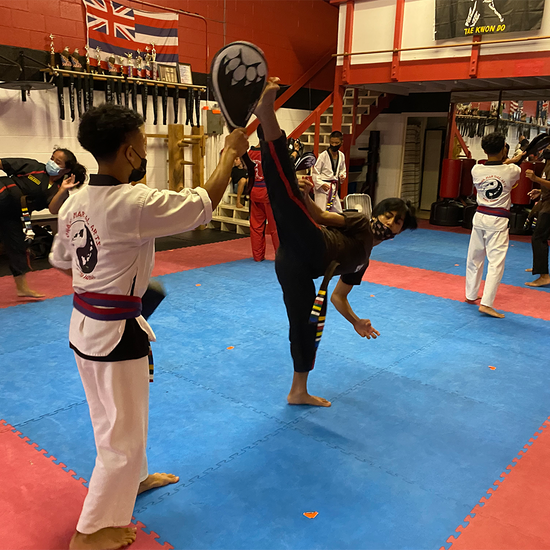
A core principle of this practice is prioritizing unity and support within its community. Practitioners are encouraged to collaborate, helping one another improve and grow. This camaraderie fosters a positive, nurturing space where people can learn and build skills without fear of judgment or exclusion.
Respect and Humility
Respect is another foundational element. Practitioners learn to respect instructors, peers, and themselves. This respect is grounded in humility—recognizing that there is always more to learn and room for growth. Embracing humility helps build strong character and a sincere willingness to support others.
Personal Growth
This practice emphasizes personal growth—both physical and mental. Regular training enhances strength, flexibility, and coordination. Moreover, the discipline and focus required build mental resilience and a positive perspective on life.
Techniques and Training Methods
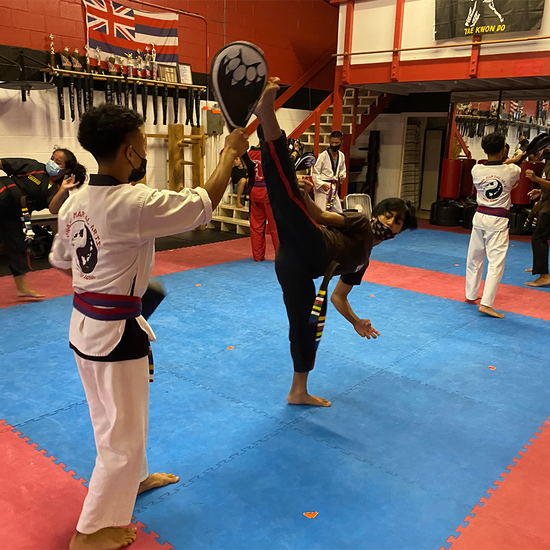
It integrates techniques from multiple martial arts disciplines, such as Brazilian Jiu-Jitsu, Muay Thai, and Tae Kwon Do. These methods equip practitioners with a well-rounded skill set for effective self-defense in diverse scenarios.
Brazilian Jiu-Jitsu
Brazilian Jiu-Jitsu (BJJ) is a key component. This grappling art uses leverage and technique to outmaneuver larger, stronger opponents. It teaches control and submission through joint locks, chokes, and holds, building a solid self-defense and fitness foundation.
Muay Thai
Muay Thai (Thai boxing) is another critical element. This striking-focused combat sport uses punches, kicks, knees, and elbows. Training builds speed, power, and endurance, making practitioners effective in self-defense and competitive contexts.
Tae Kwon Do

Tae Kwon Do, a Korean martial art, is also integrated. It emphasizes striking techniques like kicks and punches, fostering agility, balance, coordination, self-discipline, and mental focus.
The Impact of Ohana Martial Arts
This practice has made a meaningful impact on practitioners and communities alike. By prioritizing unity, respect, and growth, it helps individuals build self-worth and a commitment to contributing positively to society.
Improved Physical Health
One immediate benefit is enhanced physical health. Regular training boosts strength, flexibility, and cardiovascular fitness, reducing chronic disease risk and improving overall well-being.
Mental Health Benefits
Beyond physical gains, it supports mental health. The discipline and focus needed reduce stress and anxiety, while boosting self-esteem and confidence. Practitioners often note feeling more grounded and centered in daily life.
Community Building
It plays a key role in building strong communities. By nurturing unity and support, it connects people, forming networks of friends and mentors. This community sense has a lasting impact, offering support beyond the training space.
Conclusion
This is a unique, powerful practice that blends traditional martial arts principles with community and personal growth focus. By fostering unity, respect, and development, it has a meaningful impact on practitioners and communities. As the world faces ongoing challenges, its teachings offer a valuable resource for those looking to grow themselves and their communities.
Recommendations and Future Exploration
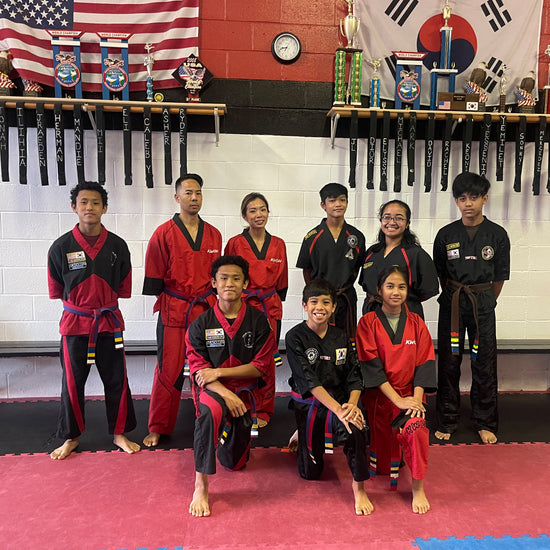
To deepen its impact, it’s important to continue promoting its core values and techniques. Here are key recommendations:
1. Boost awareness by hosting workshops and seminars in schools, community centers, and other public spaces.
2. Build partnerships with local organizations to offer martial arts programs for underserved groups.
3. Explore the long-term effects of this practice on physical and mental health, plus its role in community development.
By acting on these recommendations and exploring its potential further, we can help this practice continue to thrive and contribute positively to the world.


