

Pilates for Beginners at Home: A Comprehensive Guide to Free Online Resources
Introduction
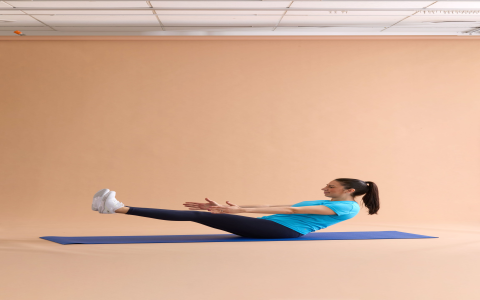
Pilates, a form of exercise focusing on core strength, flexibility, and overall body awareness, has grown extremely popular in recent years. For beginners, starting a Pilates routine might feel overwhelming, especially if they’re unfamiliar with the exercises or lack access to a Pilates studio. However, thanks to online resources, beginners can now learn Pilates at home for free. This article provides a comprehensive guide to Pilates for beginners at home, highlighting free online resources and offering tips to help you get started.
Understanding Pilates
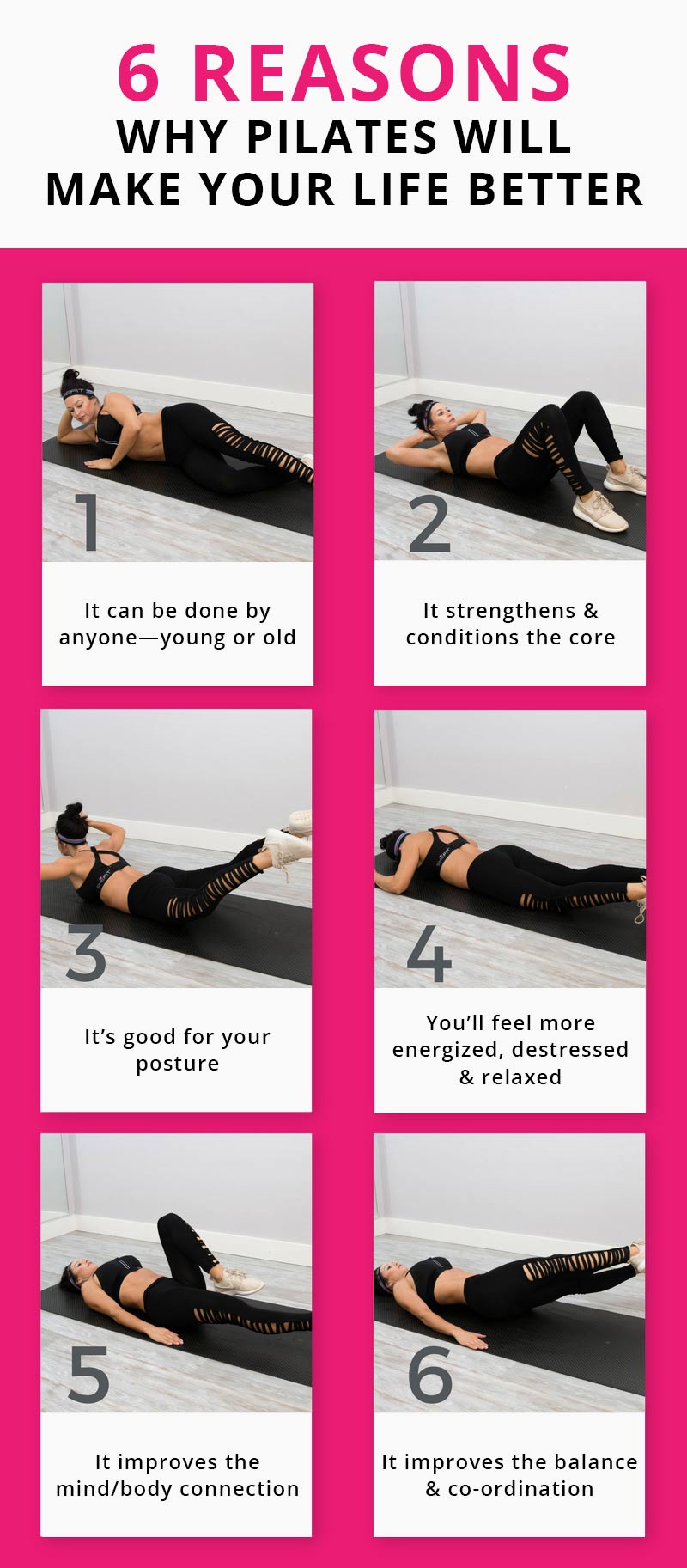
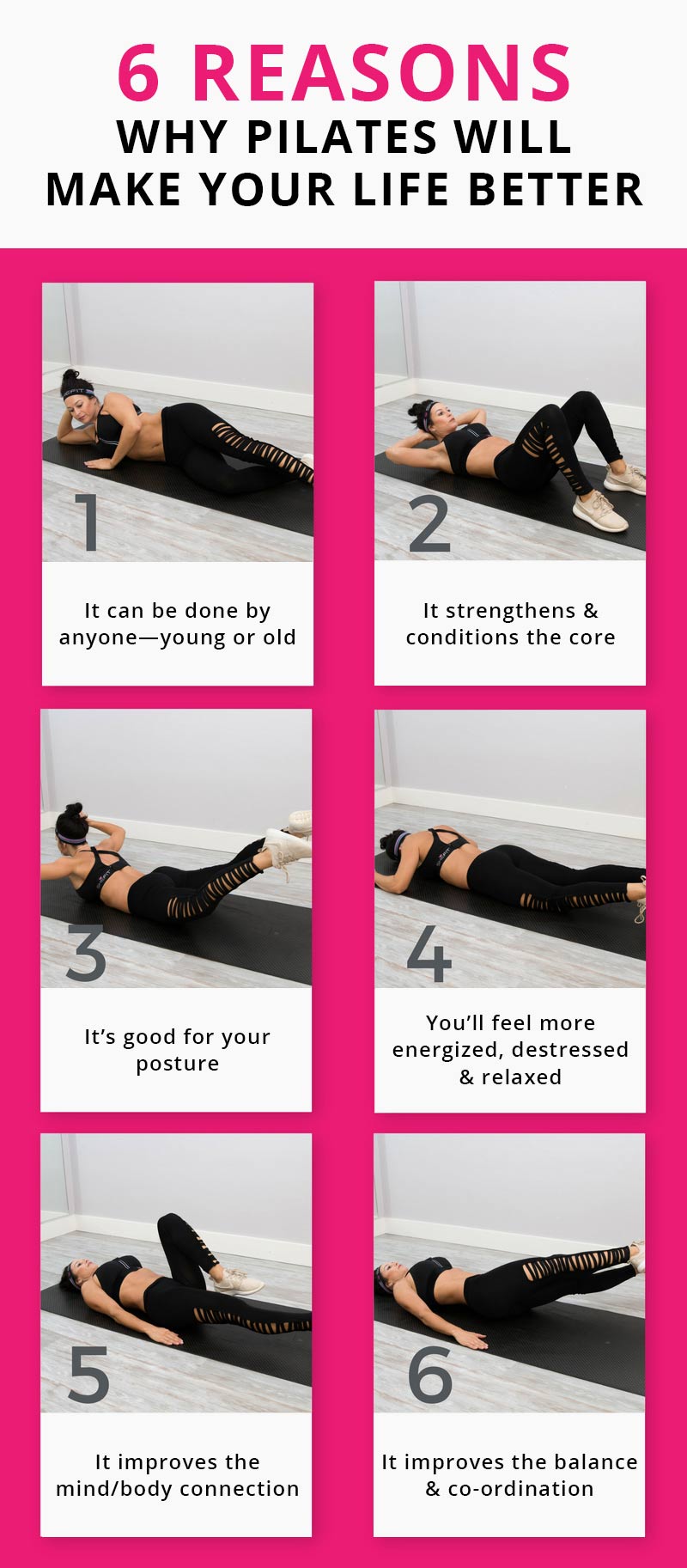
Before exploring free online resources, it’s important to understand what Pilates is and its benefits. Pilates is a low-impact exercise system that emphasizes proper breathing, concentration, and control. It focuses on strengthening core muscles—including the abs, back, and glutes—while improving flexibility and balance. Pilates benefits people of all ages and fitness levels, and it can help with various conditions like back pain, poor posture, and stress.
Free Online Resources for Pilates for Beginners at Home
1. YouTube Channels
YouTube is a goldmine of free Pilates resources for beginners. Channels like Pilates Anytime, Pilates with Alex, and Pilates with Moira offer a wide range of beginner-friendly workouts. These channels provide step-by-step instructions, modifications for different fitness levels, and even progressions for more advanced exercises.
2. Online Pilates Workshops
Several websites offer free online Pilates workshops ideal for beginners. For example, Pilates Anytime provides a free beginner workshop covering Pilates basics, including proper form, breathing techniques, and fundamental exercises. Similarly, Pilatesology offers a free Pilates for beginners workshop with video tutorials and a detailed guide to Pilates principles.
3. Online Pilates Apps
There are several free Pilates apps available for download on smartphones and tablets. These apps offer various workouts—from short sessions to full-length routines—and often include progress tracking and personalized workout plans. Popular free options include Pilates for Beginners and Pilates Pro.
4. Social Media Groups
Joining social media groups focused on Pilates is a great way to connect with other beginners and learn from their experiences. Facebook groups like Pilates for Beginners and Pilates Community offer support, advice, and shared resources for Pilates enthusiasts.
Tips for Starting Pilates at Home
1. Find a Quiet Space
Create a dedicated space at home for your Pilates practice. This area should be quiet, comfortable, and free of distractions. A yoga mat or soft carpet can provide a stable surface for your workouts.
2. Invest in the Right Equipment
While many Pilates exercises can be done without equipment, having a few essential items can enhance your practice. Consider investing in a Pilates resistance band, a yoga block, and a Pilates ball.
3. Start with Basic Exercises
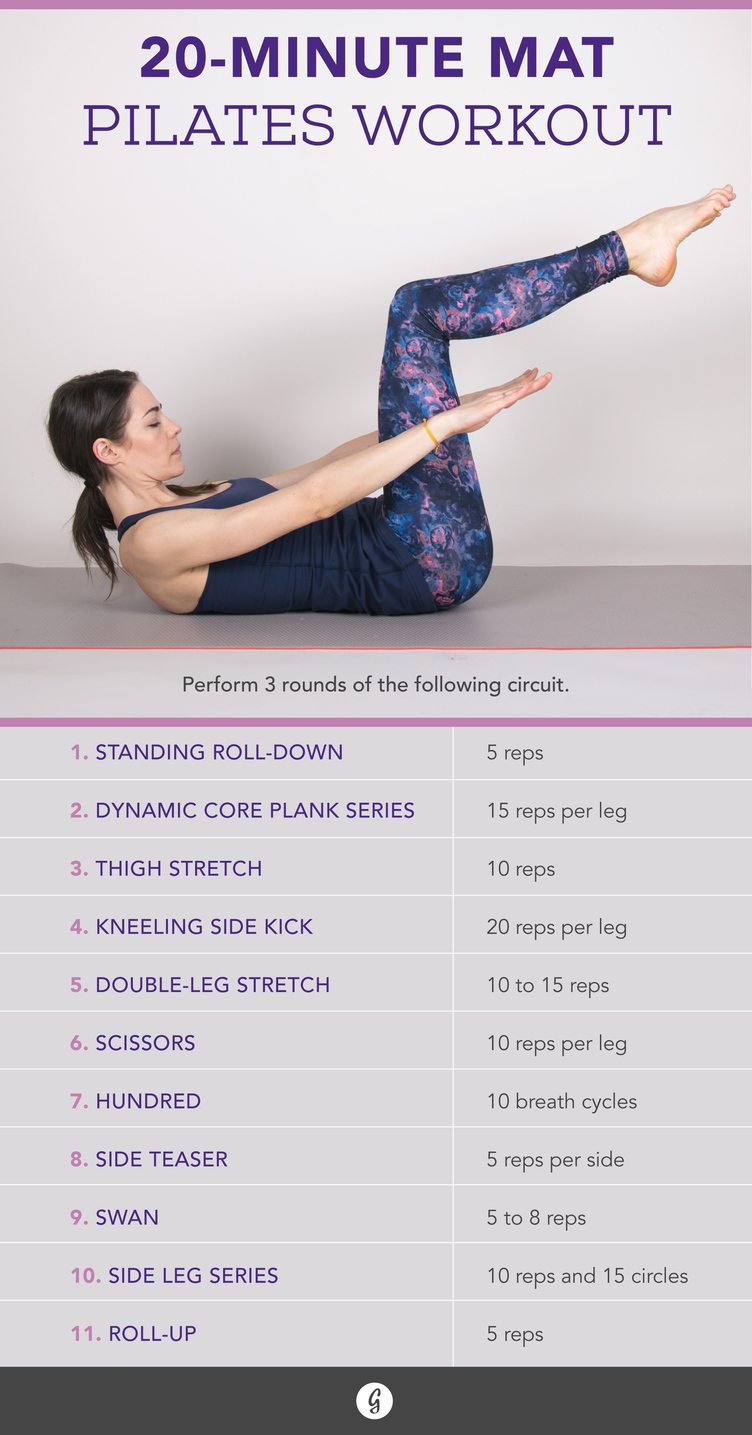
Focus on mastering basic Pilates exercises before moving to more advanced routines. This helps you develop proper form and prevent injuries.
4. Keep a Consistent Routine
Consistency is key to seeing results from your Pilates practice. Aim to do Pilates at least three times a week for 30 minutes per session.
5. Stay Motivated
Set realistic goals and track your progress to stay motivated. Celebrate your achievements—no matter how small—to keep yourself motivated.
Conclusion
Pilates for beginners at home is a convenient and effective way to boost your fitness and overall well-being. With the abundance of free online resources available, there’s no reason not to start your Pilates journey. By following the tips in this article, you can successfully learn Pilates at home and enjoy the benefits of this transformative exercise system.
Future Research Directions
Further research could explore the effectiveness of online Pilates programs for individuals with specific health conditions, such as chronic back pain or obesity. Additionally, investigating the long-term effects of Pilates on mental health and well-being would be valuable. By understanding Pilates’ benefits for a wider range of people, we can continue to promote this exercise system and encourage more individuals to incorporate it into their daily routines.



