

The Impact of Local Fitness Centers on Community Health and Fitness Culture
Introduction
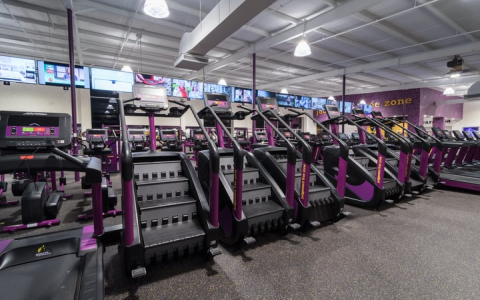
In many communities, the opening of accessible fitness centers has marked a significant shift in the local health and fitness landscape. This article aims to explore the impact of such centers on community health, fitness culture, and overall well-being. By examining aspects like membership growth, community engagement, and broader health trends, we provide a comprehensive analysis of how these facilities influence local residents.
Membership Growth and Accessibility
Since their opening, many accessible fitness centers have seen a remarkable increase in membership. These facilities offer a variety of affordable membership options, making them accessible to a wide range of individuals—including those who may have previously found gym memberships out of reach. Local gym membership numbers have grown steadily in recent years, with such centers contributing significantly to this trend.
Accessibility and Inclusivity
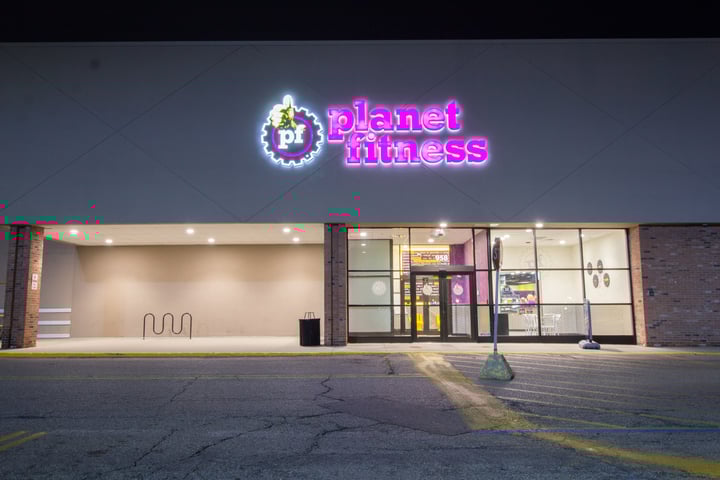
One key factor in the success of many modern fitness centers is their commitment to inclusivity. These facilities often operate as judgment-free zones, welcoming members of all fitness levels and backgrounds. This approach has attracted diverse membership bases and fostered supportive, welcoming environments. As many fitness providers note, their goal is to make fitness accessible to everyone, regardless of their starting point.
Community Engagement and Impact
Community Events and Partnerships
Many fitness centers actively engage with local communities through events and partnerships. They host regular fitness classes, wellness workshops, and charity events that are popular among residents. For example, annual 5K runs organized by these centers raise funds for local charities and promote healthy lifestyles.
Health Initiatives and Workshops
In addition to community events, many fitness centers organize health initiatives and workshops focused on educating the public about nutrition, exercise, and mental health. These programs have been well-received by communities, with many participants reporting positive changes in their health and well-being.
Broader Health Trends in Communities
Obesity Rates and Fitness Centers
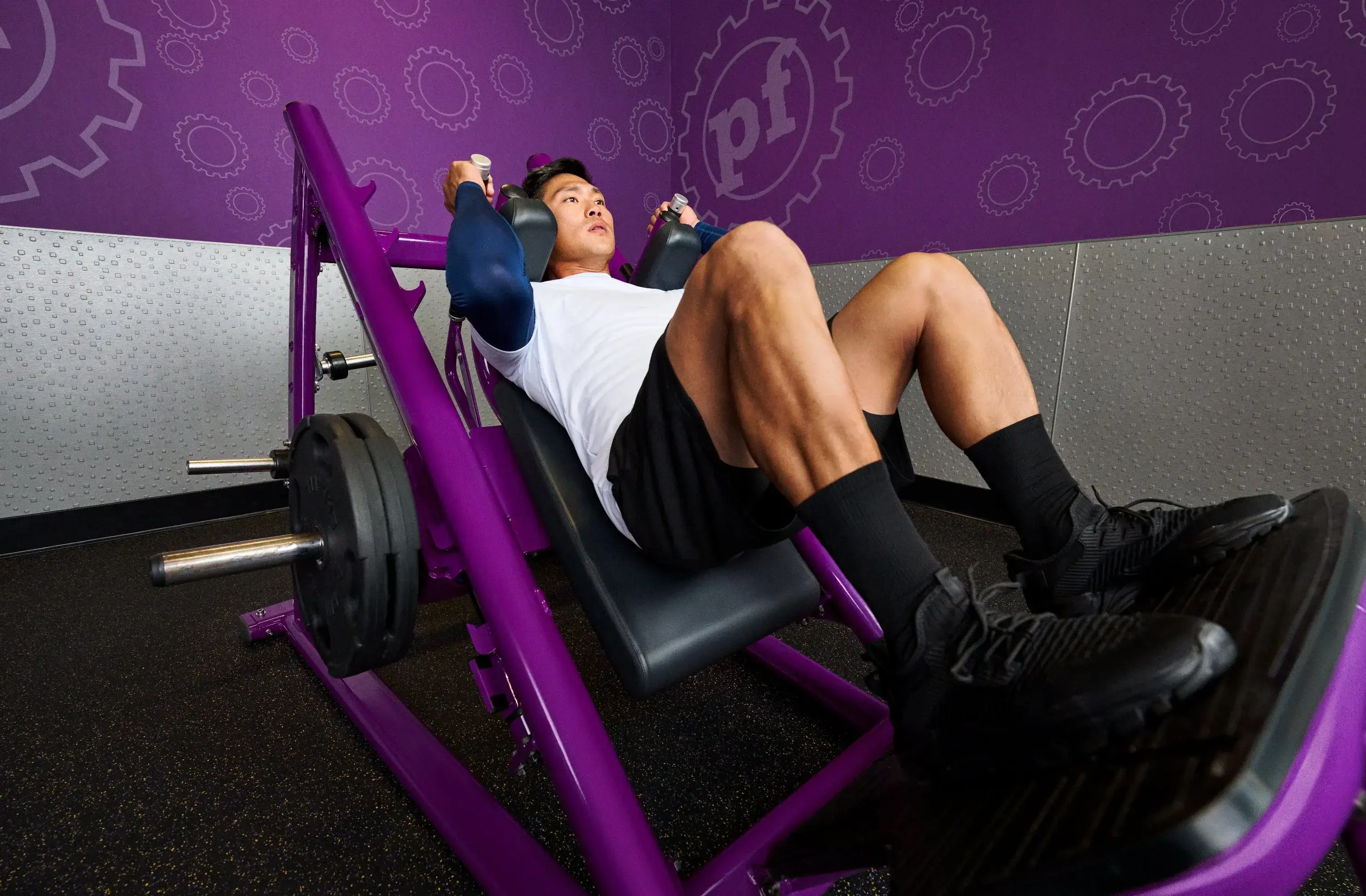
Many regions have historically struggled with high obesity rates, a concern for public health officials. The opening of accessible fitness centers has been viewed as a potential solution to this issue. Research consistently shows that individuals who join gyms are more likely to engage in regular physical activity, leading to improved health outcomes.
Impact on Mental Health
In addition to physical health, the presence of fitness centers has also had a positive impact on mental health. Regular exercise has been shown to reduce symptoms of depression and anxiety, and the supportive environments at these centers provide spaces for individuals to find solace and community support.
Conclusion
In conclusion, the impact of accessible fitness centers on local community health and fitness culture has been profound. Their commitment to accessibility, inclusivity, and community engagement has not only increased membership but also contributed to broader positive health trends in regions. As the number of such centers continues to grow, monitoring their long-term effects on public health and well-being remains essential.
Recommendations and Future Research
To further understand the impact of fitness centers, future research should focus on the following areas:
– Long-term health outcomes of gym members related to obesity, mental health, and overall well-being.
– The economic impact of fitness centers on local communities, including job creation and economic development.
– The effectiveness of community engagement initiatives in promoting health and fitness among diverse populations.
By addressing these areas, we can gain a more comprehensive understanding of the role fitness centers play in shaping health and fitness cultures across regions.



