


The Impact of Local Fitness Centers on Community Health and Well-being
Introduction
In recent years, the importance of fitness centers in promoting community health and well-being has been increasingly recognized. Local fitness centers, located near many residential areas, have become popular destinations for individuals seeking to improve their physical and mental health. This article aims to explore the impact of local fitness centers on community health and well-being, discussing the benefits, challenges, and future directions of such facilities in our society.
The Benefits of Local Fitness Centers
1. Improved Physical Health
One of the primary benefits of local fitness centers is the improvement of physical health. Regular exercise has been proven to reduce the risk of chronic diseases such as heart disease, diabetes, and obesity. Engaging in moderate-intensity exercise for at least 150 minutes per week can significantly lower the risk of heart disease.
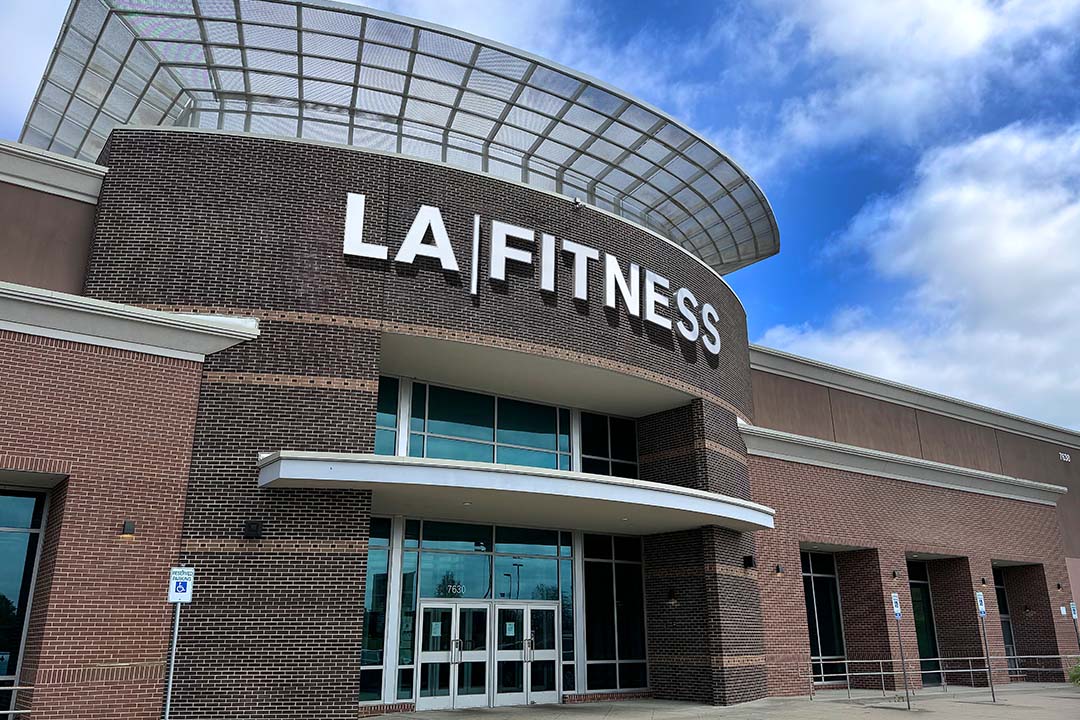
Local fitness centers offer a wide range of equipment and classes, catering to different fitness levels and interests. From cardio machines to strength training equipment, individuals can find the perfect workout to meet their needs. Moreover, the presence of qualified instructors ensures that members receive proper guidance and motivation to achieve their fitness goals.
2. Enhanced Mental Health
In addition to physical health, local fitness centers also contribute to mental well-being. Exercise has been shown to reduce symptoms of depression and anxiety, improve self-esteem, and enhance overall mood. Regular exercise can be as effective as some medications in treating mild to moderate depression.
The social aspect of local fitness centers also plays a crucial role in mental health. Exercising with others can provide a sense of community and belonging, reducing feelings of loneliness and isolation. Group classes, such as spin or yoga, offer an opportunity for members to connect with like-minded individuals and build friendships.
3. Economic Benefits
Local fitness centers also bring economic benefits to the community. These facilities create job opportunities for local residents, contributing to the local economy. Additionally, the revenue generated can be reinvested into the community, supporting local businesses and services.
Challenges and Limitations
1. Accessibility and Affordability
Despite the numerous benefits, local fitness centers face challenges in terms of accessibility and affordability. Not all individuals have easy access to a fitness center, especially those living in low-income or rural areas. Moreover, the cost of membership can be a barrier for some individuals.
To address this issue, local fitness centers can consider implementing community-based programs that provide affordable or free access to underserved populations. Partnerships with local schools, community centers, and non-profit organizations can also help bridge the gap between fitness facilities and those in need.
2. Safety and Hygiene
Maintaining a safe and hygienic environment is crucial for the success of local fitness centers. Regular cleaning and maintenance of equipment, as well as enforcing proper hygiene practices, are essential to prevent the spread of infectious diseases. Additionally, ensuring the availability of first aid and emergency response services is vital for the well-being of members.
Future Directions
1. Technology Integration
To enhance the user experience and attract a wider audience, local fitness centers can integrate technology into their operations. This can include virtual classes, personalized workout plans, and mobile apps that allow members to track their progress and stay motivated. Technology can also help in monitoring and managing the facilities’ resources, ensuring efficient operations.
2. Community Engagement
Local fitness centers can play a more significant role in community engagement by organizing events and programs that promote health and well-being. This can include fitness challenges, wellness workshops, and partnerships with local schools and organizations. By actively participating in the community, these facilities can foster a sense of ownership and encourage more individuals to join and benefit from their services.
Conclusion
In conclusion, local fitness centers have a significant impact on community health and well-being. By promoting physical and mental health, creating economic opportunities, and fostering a sense of community, these facilities contribute to the overall well-being of individuals and the community as a whole. However, challenges such as accessibility and affordability need to be addressed to ensure that everyone can benefit from their services. By embracing technology and engaging with the community, local fitness centers can continue to be vital resources for promoting health and well-being in our society.
References:



