How Does Cardiorespiratory Endurance Impact Physical Fitness?
Introduction
Physical fitness is a multifaceted concept encompassing several key components: cardiovascular endurance, muscular strength, flexibility, and body composition. Among these, cardiorespiratory endurance is critical to an individual’s overall physical fitness. This article explores how cardiorespiratory endurance influences physical fitness, covering its importance, benefits, and underlying physiological mechanisms. Understanding its significance helps individuals make informed choices about their exercise routines and daily lifestyles.
What is Cardiorespiratory Endurance?
Cardiorespiratory endurance—also called cardiovascular fitness or aerobic fitness—refers to the heart, blood vessels, and lungs’ ability to supply oxygen and nutrients to muscles during sustained physical activity. It measures how efficiently the cardiovascular system delivers oxygen to working muscles and removes carbon dioxide and waste. This form of endurance is vital for activities needing continuous, moderate-to-high intensity effort, like running, cycling, swimming, or rowing.
The Importance of Cardiorespiratory Endurance
Cardiorespiratory endurance is a key part of physical fitness for several reasons:
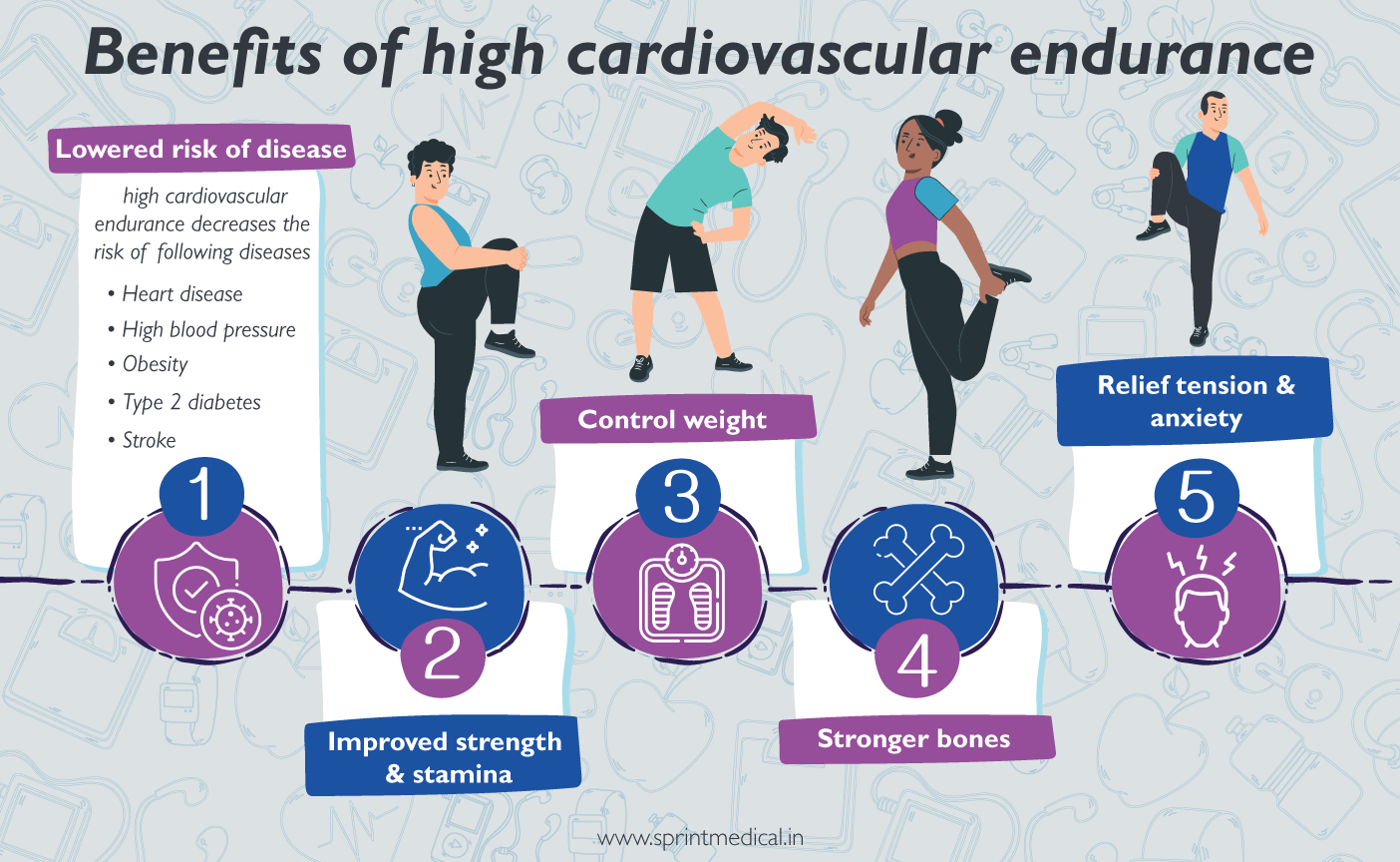
1. Improved Cardiovascular Health
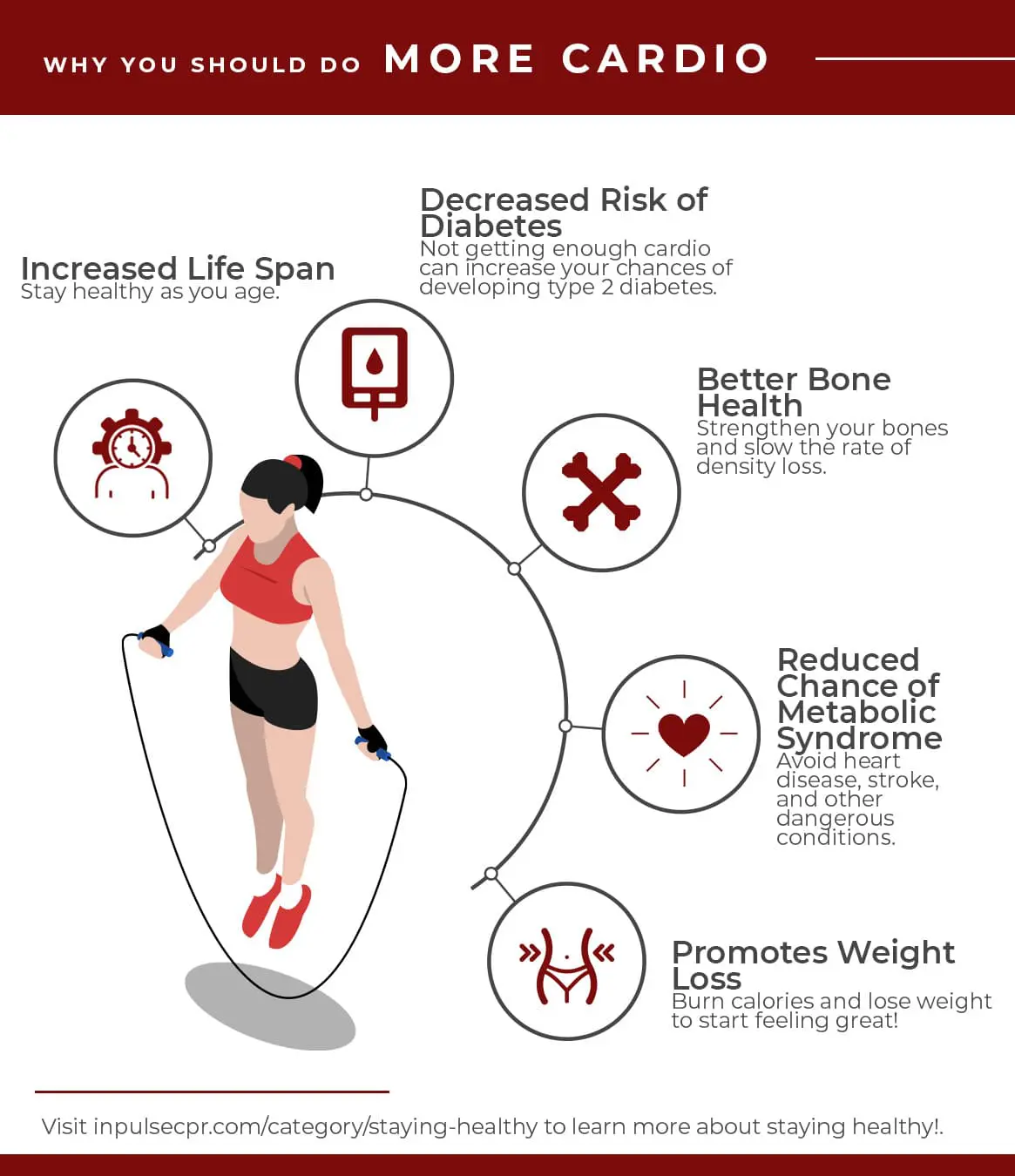
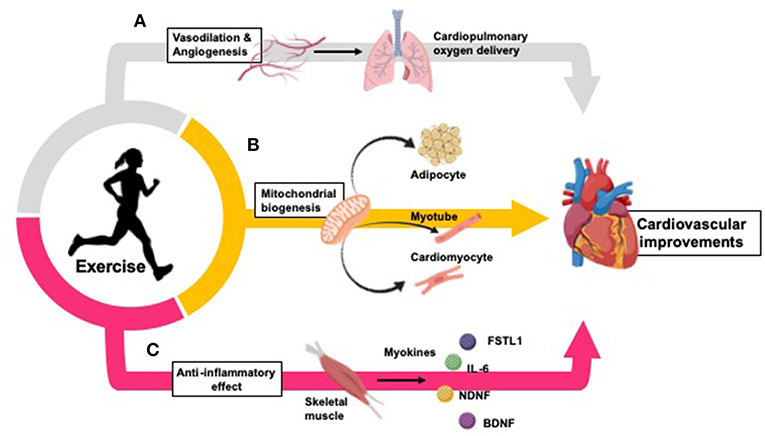
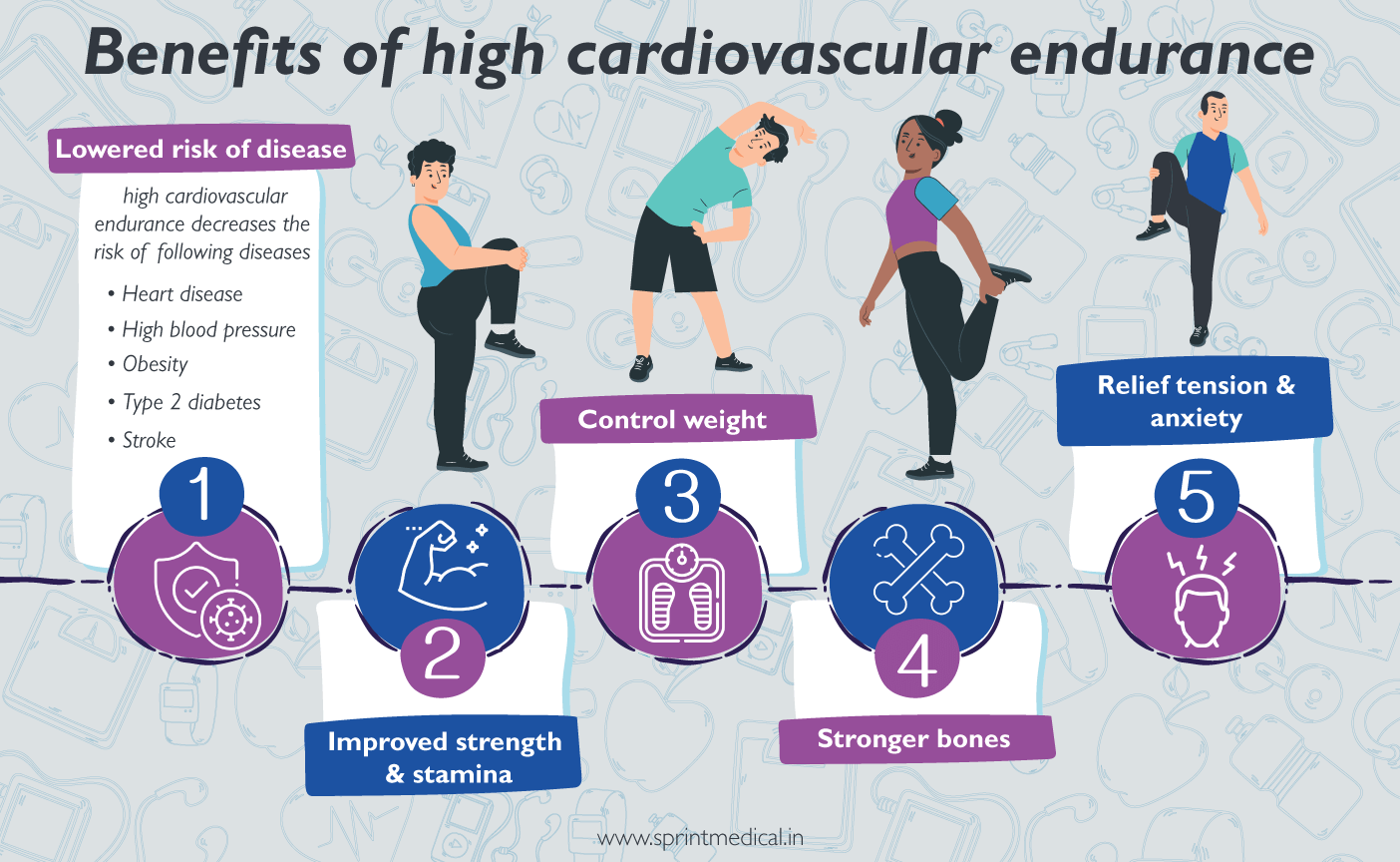
Regular aerobic exercise strengthens the heart muscle, making it more efficient at pumping blood throughout the body. This enhanced cardiac output lowers resting heart rate and blood pressure, reducing the risk of cardiovascular conditions like heart attacks, strokes, and hypertension.
2. Enhanced Oxygen Utilization
Aerobic exercise boosts the body’s ability to use oxygen, a key factor in energy production. This improved oxygen utilization enhances physical performance and supports overall metabolic health.
3. Weight Management
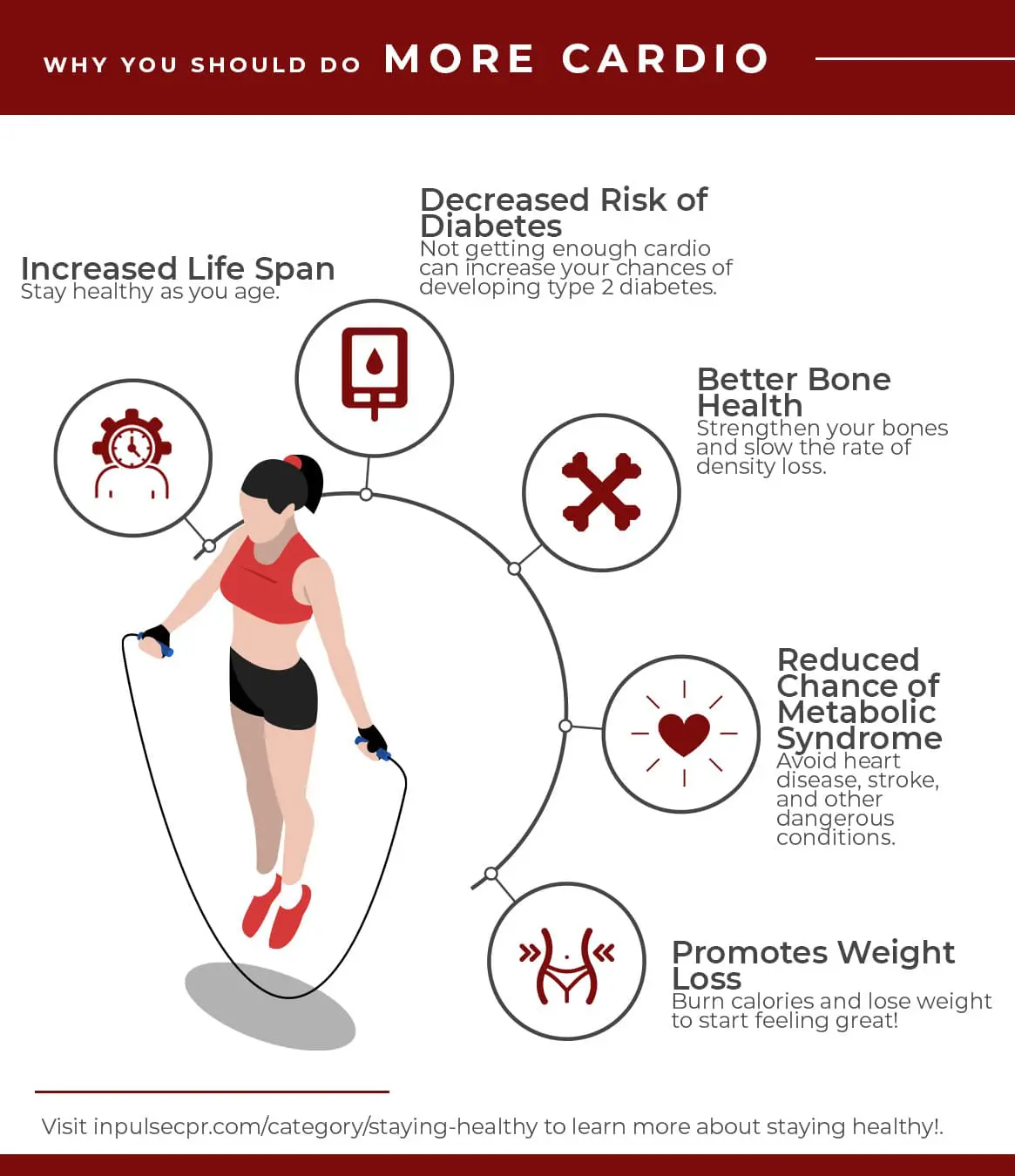
Cardiorespiratory endurance exercises effectively burn calories and fat, aiding weight management and obesity prevention. They also help maintain a healthy body composition by increasing muscle mass and lowering body fat percentage.
4. Improved Mental Health
Participating in cardiorespiratory endurance exercises reduces symptoms of depression and anxiety, boosts mood, and enhances cognitive function. Endorphin release during exercise fosters a sense of well-being and lowers stress levels.
Mechanisms Behind Cardiorespiratory Endurance
Developing cardiorespiratory endurance involves several physiological adaptations:
1. Increased Heart Rate and Stroke Volume
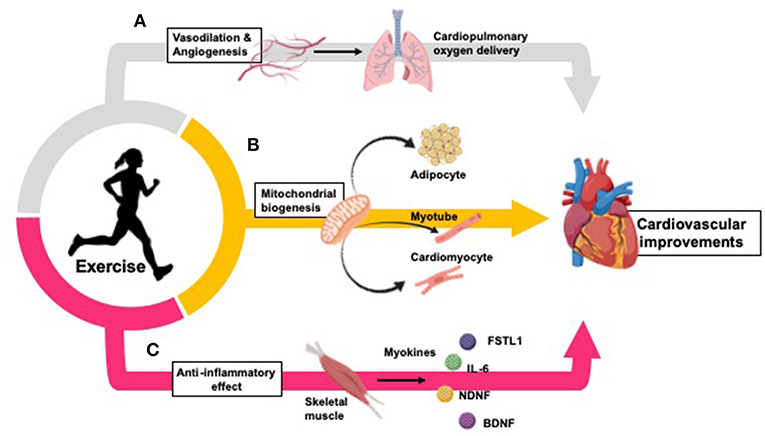
Regular aerobic exercise increases heart rate and stroke volume (the amount of blood the heart pumps per beat). This adaptation enables the heart to deliver more oxygen and nutrients to muscles during exercise.
2. Improved Oxygen Transport
Increased lung capacity and efficient oxygen transport to the blood are key to cardiorespiratory endurance. Regular aerobic exercise improves lung function, raises red blood cell count, and enhances hemoglobin’s oxygen-binding ability.
3. Enhanced Mitochondrial Function
Mitochondria—cells’ powerhouses—produce energy. Aerobic exercise increases the number and size of mitochondria in muscle cells, improving energy production and endurance.
Evidence from Research
Numerous studies have shown the positive impacts of cardiorespiratory endurance on physical fitness. Here are some key examples:
1. The Cooper Test
The Cooper Test—a 12-minute run assessment—has measured cardiorespiratory endurance for decades. Research shows individuals with higher scores have lower mortality rates and reduced risk of chronic diseases.
2. The Finnish Twin Study
The Finnish Twin Study, conducted over many years, offered insights into genetic and environmental factors affecting cardiorespiratory endurance. It found both genetics and lifestyle significantly influence an individual’s cardiorespiratory fitness.
3. The Aerobics Center Longitudinal Study
The Aerobics Center Longitudinal Study followed over 13,000 people for 15 years, exploring the link between cardiorespiratory fitness and mortality. It found higher fitness levels correlated with lower risk of death from all causes, including cardiovascular diseases and cancer.
Conclusion
In conclusion, cardiorespiratory endurance is a critical component of physical fitness, supporting cardiovascular health, oxygen utilization, weight management, and mental well-being. Developing it involves physiological adaptations like increased heart rate and stroke volume, improved oxygen transport, and enhanced mitochondrial function. Research confirms its positive effects on overall health and longevity. Thus, integrating cardiorespiratory endurance exercises into daily life is key to optimal physical fitness.
Recommendations and Future Research
To boost cardiorespiratory endurance, individuals should do regular aerobic exercise like running, cycling, swimming, or rowing. Aim for at least 150 minutes of moderate-intensity aerobic activity weekly, or 75 minutes of vigorous-intensity activity—guidelines from the American Heart Association.
Future research should identify the most effective exercise programs for improving cardiorespiratory endurance across different groups, and explore the long-term effects of fitness on health outcomes. It should also examine how genetic and environmental factors interact with lifestyle choices to influence cardiorespiratory endurance.