


The Impact of 24-Hour Fitness Centers: A Comprehensive Analysis
Introduction
In today’s fast-paced world, the importance of fitness and physical activity cannot be overstated. With growing awareness of the health benefits of regular exercise, many people seek convenient and accessible fitness options. One such option is 24-hour fitness centers, which offer round-the-clock access to fitness facilities. This article explores the impact of 24-hour fitness centers, discussing their benefits, challenges, and future implications.
The Benefits of 24-Hour Fitness Centers
Convenience and Accessibility
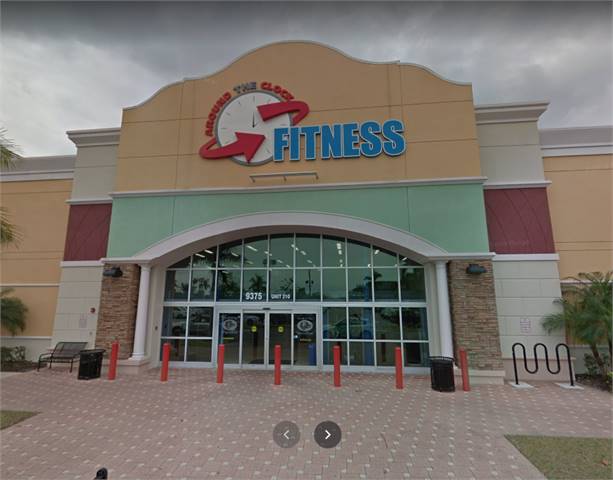
One of the primary advantages of 24-hour fitness centers is their convenience and accessibility. With facilities open 24/7, people can exercise at any time that fits their schedule—whether early morning, during lunch breaks, or late at night. This flexibility lets them maintain a consistent fitness routine without being limited by traditional gym hours.
Increased Participation and Engagement
The availability of 24-hour fitness centers has been linked to higher participation and engagement in physical activity. Research indicates that people with access to 24/7 fitness facilities are more likely to exercise regularly and reach their fitness goals. This is because the convenience of working out at any time eliminates barriers like limited time or transportation issues.
Improved Health Outcomes
Regular exercise offers numerous health benefits, including better cardiovascular health, weight management, and enhanced mental well-being. 24-hour fitness centers give people the chance to take part in a variety of fitness activities—such as cardio workouts, strength training, and group fitness classes. This variety lets them customize their workouts to their unique needs and preferences, resulting in improved health outcomes.
Challenges of 24-Hour Fitness Centers
Security Concerns
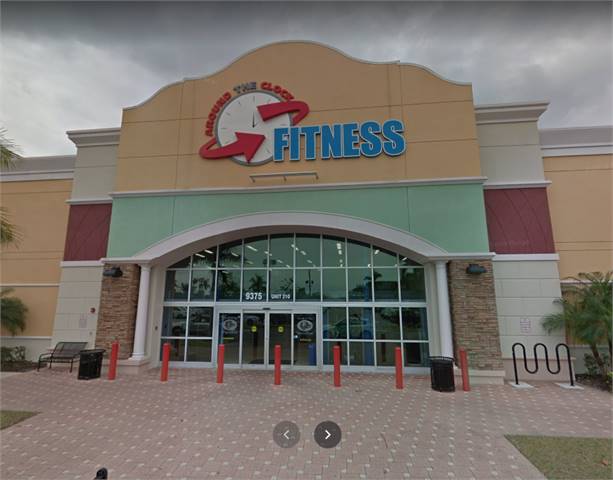
One key challenge for 24-hour fitness centers is security. With facilities open around the clock, there’s a higher risk of theft, vandalism, and other safety incidents. To mitigate this, many 24-hour centers use strict security measures—like surveillance cameras, security personnel, and access control systems.
Maintenance and Equipment Wear and Tear
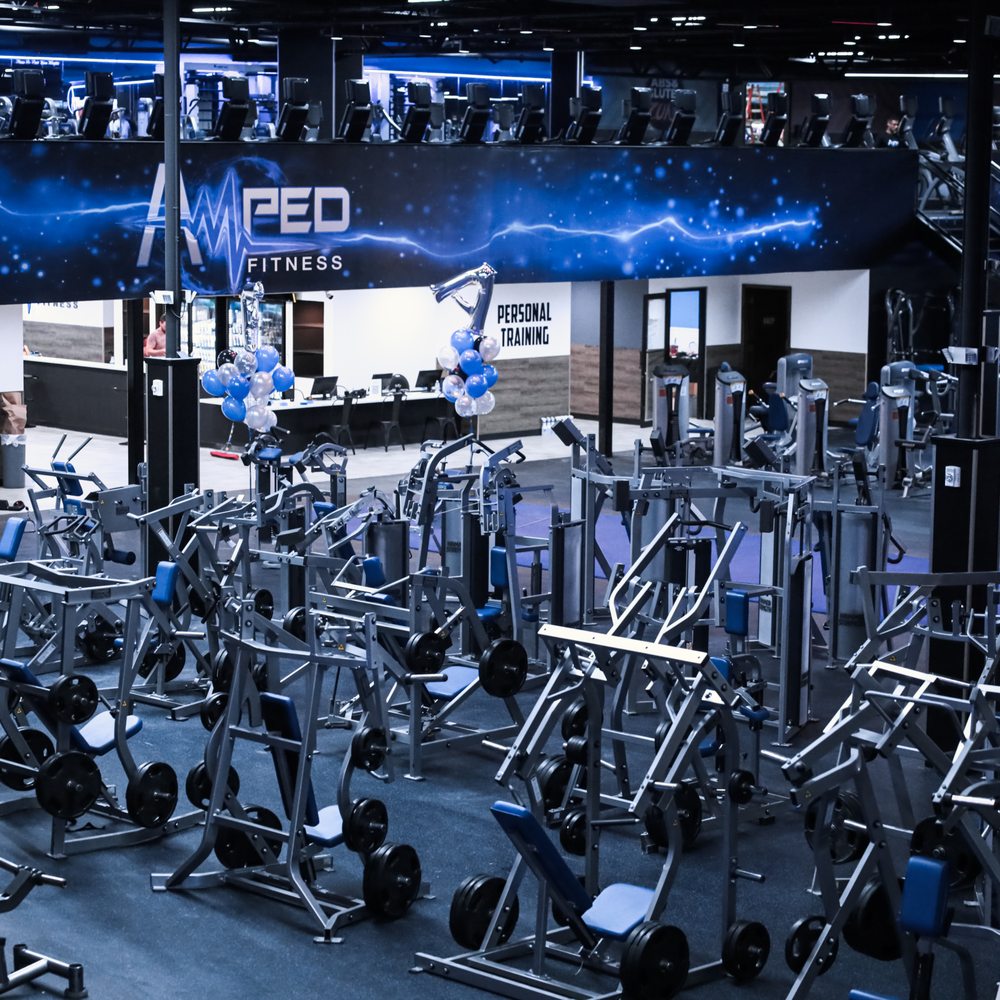
Maintaining fitness equipment in a 24/7 setting can be challenging. Constant use leads to more rapid wear and tear on equipment. Regular maintenance and timely replacement of gear are essential to keep the workout environment safe and effective.
The Future of 24-Hour Fitness Centers
Technological Integration
The future of 24-hour fitness centers hinges on technological integration. As smart fitness equipment and mobile apps become more prevalent, people can track their workouts, get personalized exercise recommendations, and schedule classes or personal training sessions directly via their smartphones. This tech-driven approach can enhance the overall fitness experience and make 24-hour centers even more attractive.
Expansion of Services
24-hour fitness centers can expand their services to meet the diverse needs of their members. This could include virtual fitness classes, nutritional guidance, and wellness programs. By offering a comprehensive range of services, these centers can become a one-stop destination for people looking to boost their overall health and well-being.
Conclusion
In conclusion, 24-hour fitness centers have a significant impact on people’s health and well-being. Their convenience, accessibility, and health benefits make them an appealing choice for those looking to maintain a consistent fitness routine. However, challenges like security and equipment maintenance need to be addressed to ensure these centers thrive. As technology continues to advance, the future of 24-hour fitness centers is bright—with the potential to deliver even more innovative and personalized fitness experiences.
Recommendations and Future Research
To further boost the impact of 24-hour fitness centers, the following recommendations are suggested:
1. Implement comprehensive security measures to protect members and staff.
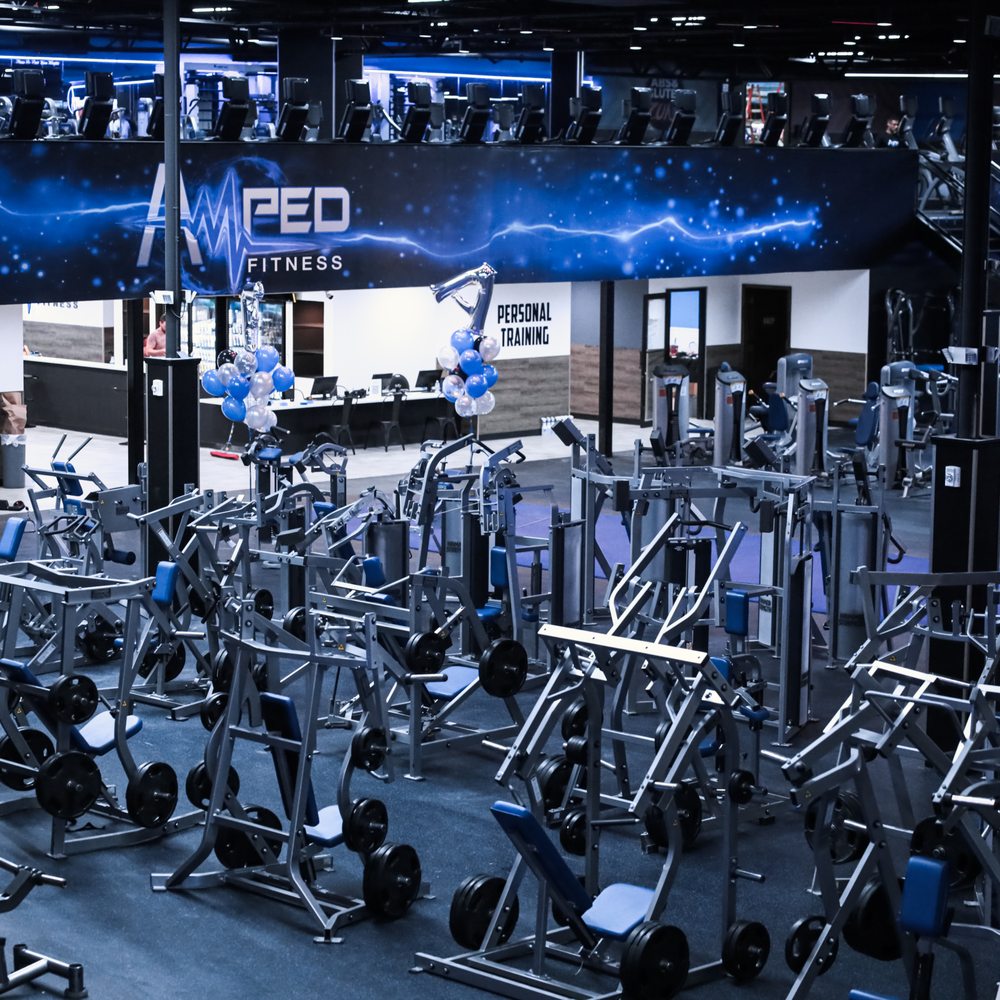
2. Invest in regular maintenance and timely equipment replacement to maintain a safe, effective workout space.
3. Expand services to include virtual fitness classes, nutritional guidance, and wellness programs.
Future research should examine the long-term health outcomes of people who regularly use 24-hour fitness centers, along with the effectiveness of various security and maintenance strategies. Additionally, exploring how technology can enhance the fitness experience and boost physical activity participation is key to the ongoing success of these centers.



