


Locally Owned Gyms: The Heart of Community Fitness
Introduction
In the diverse world of fitness centers, locally owned gyms stand out as the beating heart of community wellness. Often nestled in neighborhood hubs, these gyms offer far more than just workout equipment—they create a sense of belonging, a space for connection, and an environment that mirrors the unique spirit of the local community. This piece explores the importance of these gyms, their influence on community health, and the distinct benefits they bring compared to larger corporate chains.
The Significance of Locally Owned Gyms
Community Connection
Locally owned gyms foster a deep sense of community. Unlike large corporate chains, these facilities are deeply rooted in their neighborhoods—often owned and run by people who live and work locally. This close tie creates a more personal experience, where members feel seen, valued, and part of a larger collective.
Unique Character
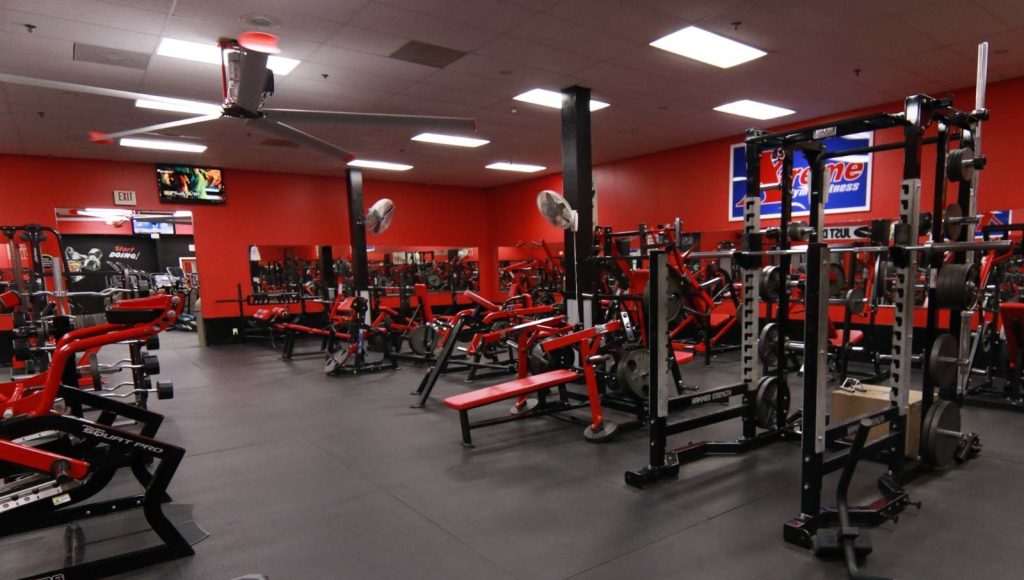
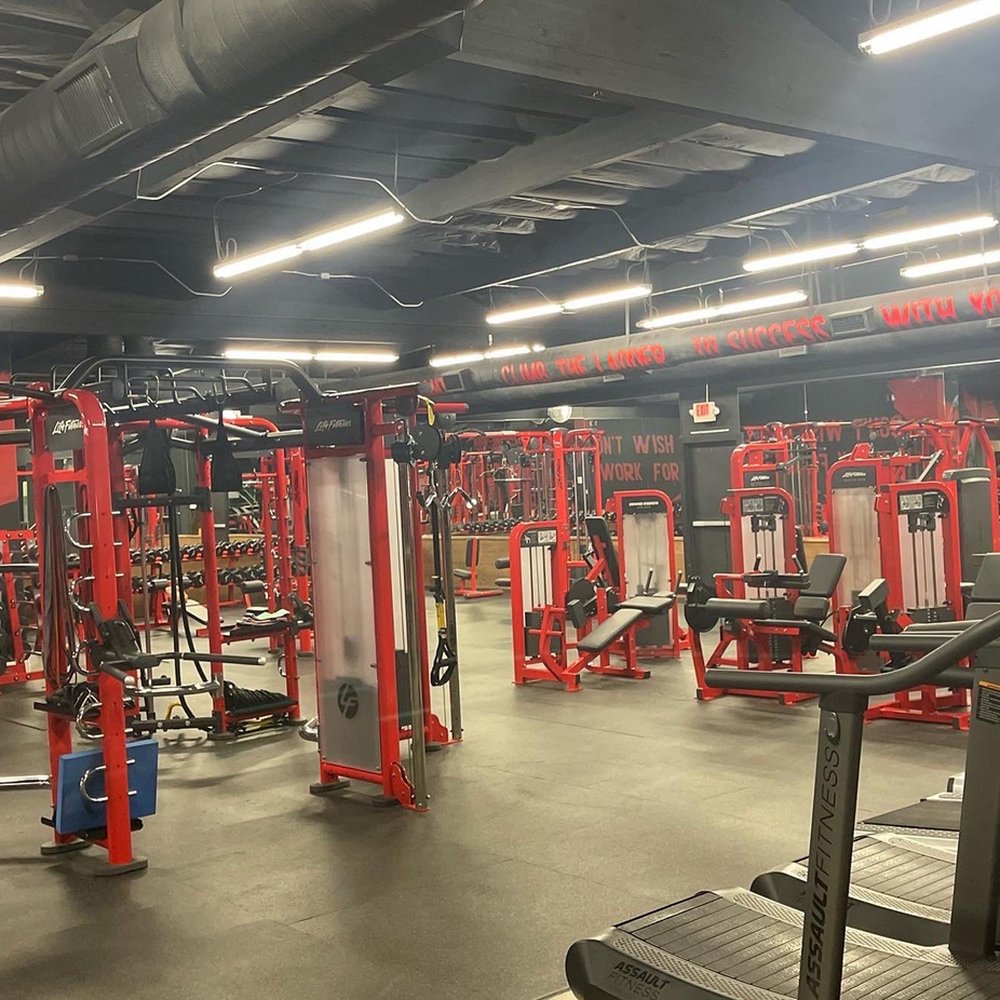
Every locally owned gym has its own unique identity, reflecting the spirit of the community it serves. From decor choices to the classes offered, these spaces are tailored to the specific needs and preferences of local residents. This individuality makes them stand out and a beloved choice for community members.
Impact on Community Health
Encouraging Physical Activity
Locally owned gyms play a key role in encouraging physical activity across the community. They offer a range of fitness classes and equipment, making it simpler for people to integrate exercise into their daily lives. This, in turn, supports better overall health and well-being.
Accessibility
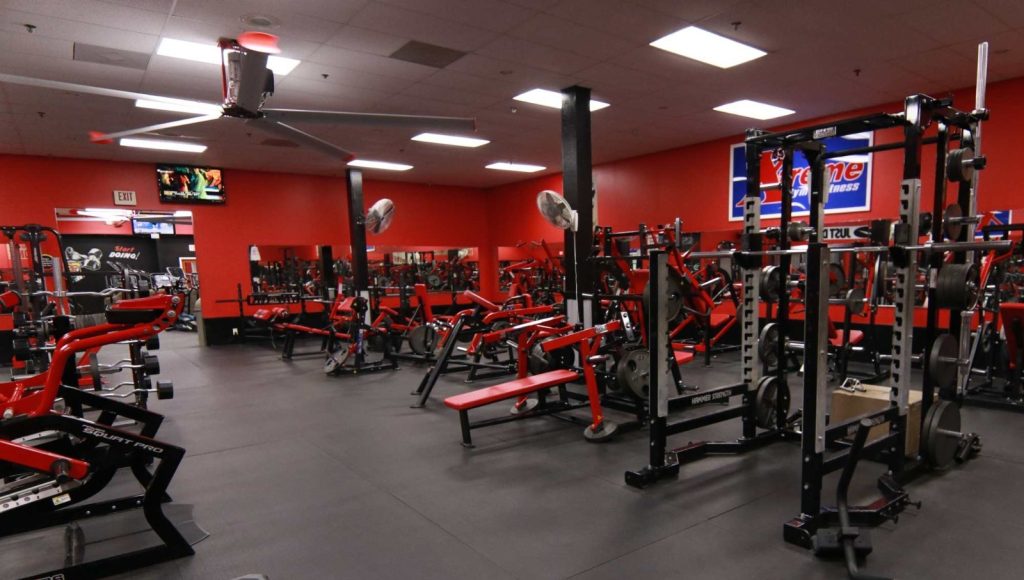
Accessibility is one of the top benefits of locally owned gyms. Many are located within walking distance of homes and workplaces, making it convenient for people to drop in. This ease of access encourages more individuals to engage in regular physical activity, fostering a healthier community overall.
Health Education
Locally owned gyms also act as hubs for health education. Many offer workshops, seminars, and classes focused on nutrition, exercise, and overall wellness. This educational element empowers people to make informed choices about their health and well-being.
Advantages Over Corporate Chains
Personalized Service
Locally owned gyms provide a level of personalized service often missing in corporate chains. From the moment you step in, you’re greeted by familiar faces and receive individual attention. This personalized touch builds trust and fosters loyalty among members.
Community Involvement
Locally owned gyms are more inclined to participate in community events and initiatives. They often sponsor local sports teams, take part in charity events, and support other local businesses. This engagement strengthens the bond between the gym and the community, fostering a sense of shared purpose.
Economic Impact
Locally owned gyms also have a positive economic impact on their communities. By operating locally, they contribute to the local economy—creating jobs and supporting other local businesses. This economic boost helps to strengthen the community overall.
Conclusion
In conclusion, locally owned gyms are far more than just workout spaces—they are the heart of community wellness. These facilities foster connection, encourage physical activity, and provide personalized service often missing in corporate chains. As we increasingly prioritize health and well-being, the role of these gyms in our communities cannot be overstated. Supporting them means investing in both our own health and the health of the community around us.
Future Directions
As the fitness industry evolves, it’s important to recognize the unique value locally owned gyms bring to communities. Future research should explore the long-term impact of these gyms on community health and well-being. Additionally, steps should be taken to support and promote these gyms, ensuring they remain a vital part of our communities for years to come.



