


24/7 Gyms: Revolutionizing Fitness and Convenience
Introduction
In recent years, the fitness industry has undergone a notable transformation with the rise of 24-hour gyms. Open around the clock, these facilities have grown in popularity among fitness enthusiasts and busy professionals alike. This article explores the 24-hour gym model—its benefits, challenges, and impact on the broader fitness sector. We’ll examine why these gyms are so popular, the advantages they provide, and the potential drawbacks to consider.
The Rise of 24-Hour Gyms
Convenience and Accessibility
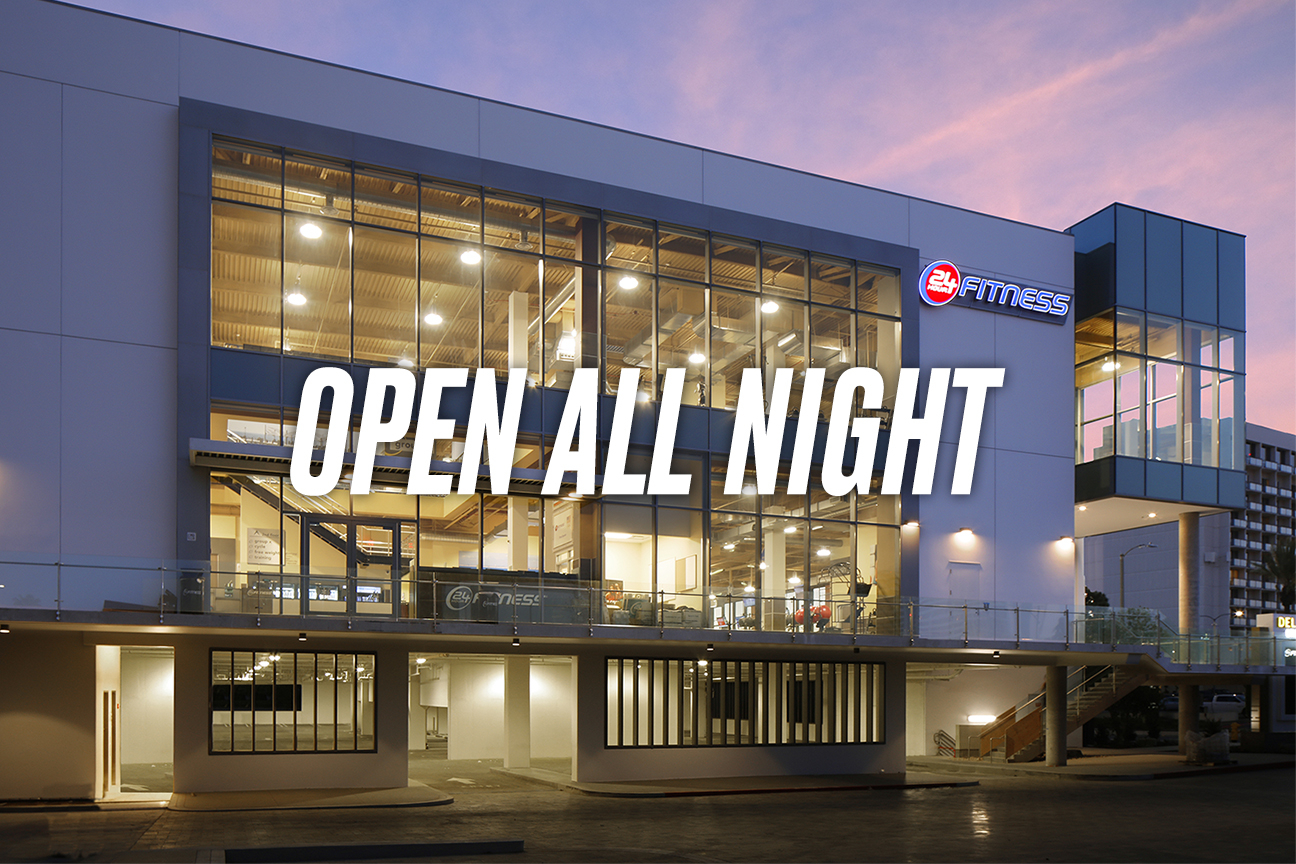
Convenience is a top driver of 24-hour gyms’ popularity. These facilities serve people with irregular work schedules, early or late shifts, or those who prefer off-peak workout times. Being open 24/7 means members can exercise at their preferred hour, free from time constraints.
Targeting Different Demographics
24-hour gyms also appeal to a wide range of demographics. While some individuals favor traditional gyms with fixed hours, others value the flexibility these 24/7 facilities provide. This group includes students, shift workers, and anyone with a packed schedule who struggles to fit workouts into standard gym hours.
Benefits of 24-Hour Gyms
Increased Accessibility
A key benefit of 24-hour gyms is their enhanced accessibility. Open around the clock, they serve people from diverse backgrounds and lifestyles, giving everyone a chance to prioritize a healthy, active routine.
Enhanced Workout Experience
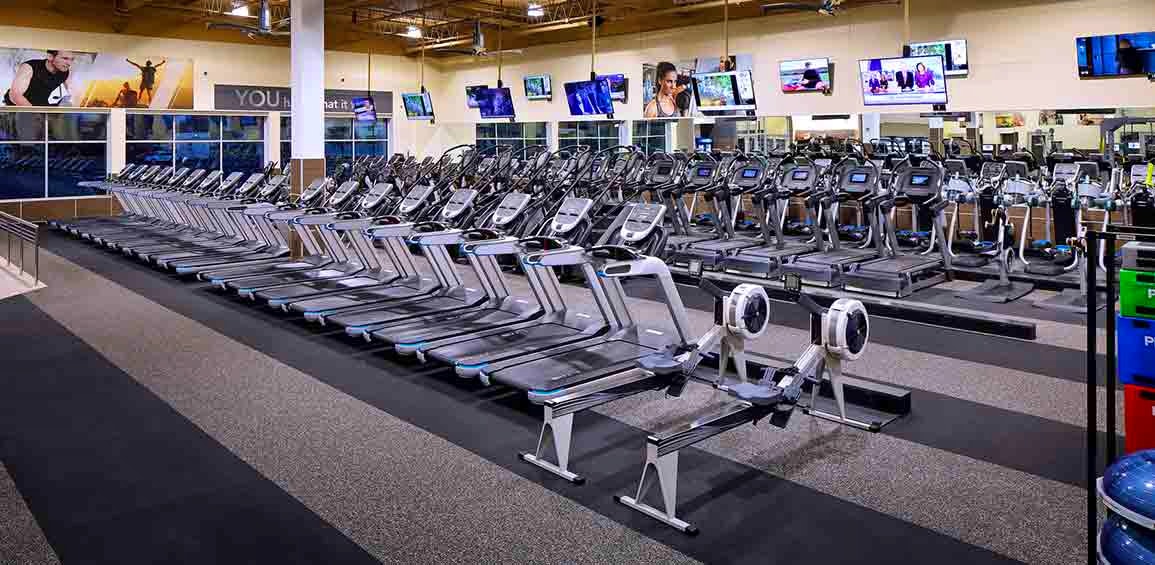
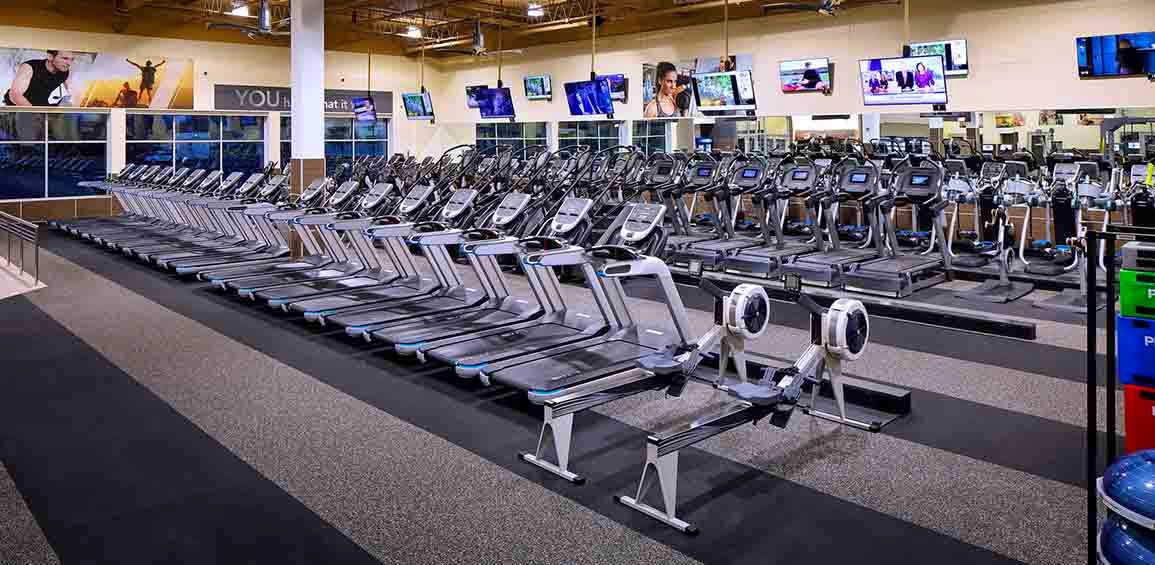
24-hour gyms often offer a distinct workout experience. Without time limits, members can focus fully on their routines, which may lead to better results. Plus, the lack of peak hours means equipment is usually available right away, cutting down on wait times for machines.
Increased Accountability
For many people, 24/7 gym access acts as a form of accountability. Knowing they can work out whenever they want can motivate them to stay on track with their fitness goals and maintain a consistent routine.
Challenges of 24-Hour Gyms
Increased Security Concerns
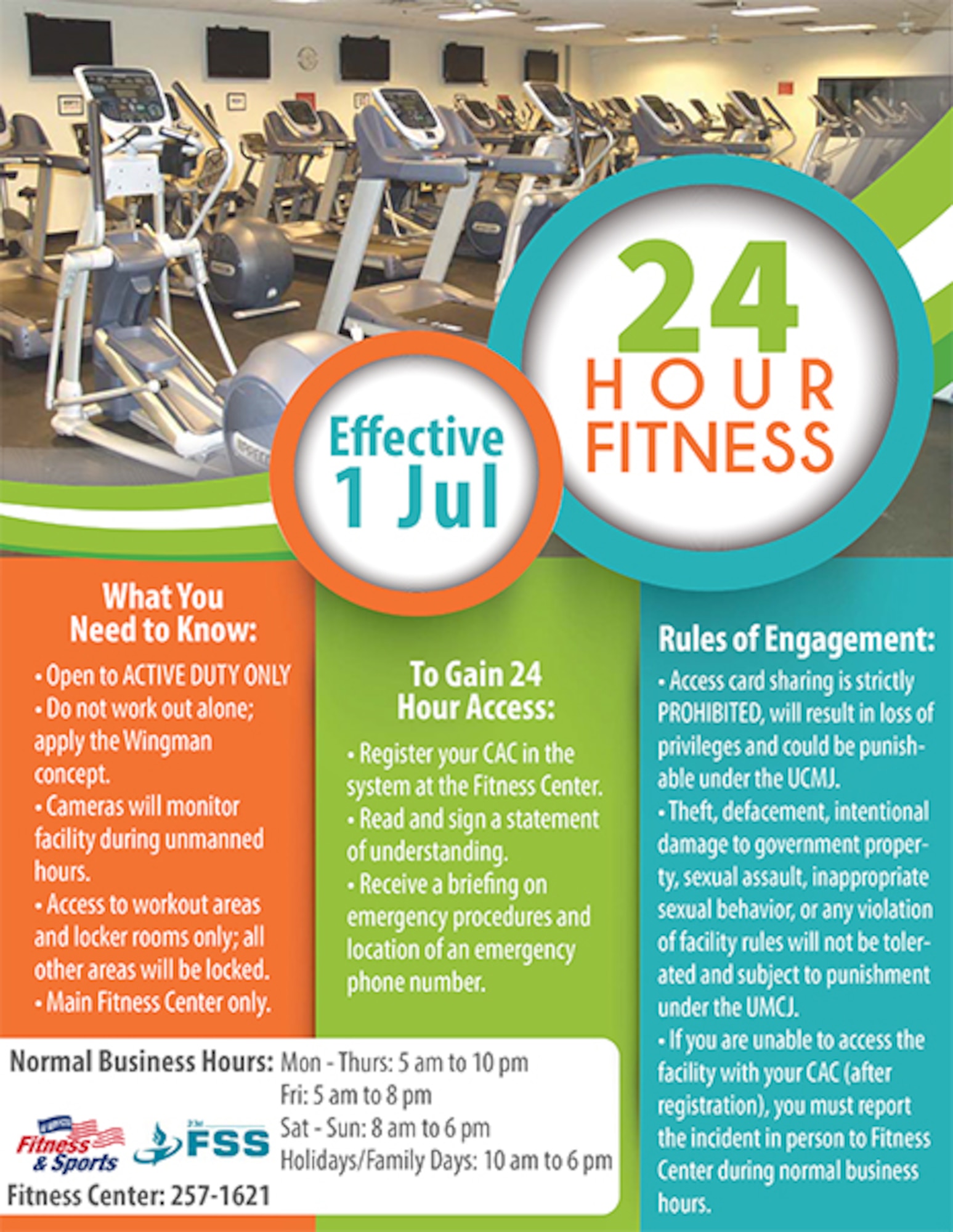
Security is a major challenge for 24-hour gyms. Being open 24/7 increases the risk of theft, vandalism, and other safety issues. To address this, many facilities implement extra security measures—like surveillance cameras, security personnel, and secure entry systems.
Increased Maintenance Costs
Running a 24-hour gym comes with higher maintenance costs. Constant use of equipment, lighting, and climate control systems leads to steeper energy bills. Frequent cleaning and upkeep to keep the space safe and hygienic also add to operational expenses.
The Impact on the Fitness Industry
Increased Competition
The growth of 24-hour gyms has boosted competition in the fitness industry. Traditional gyms have had to adapt—many now offer extended hours, and some are even exploring 24/7 operations to keep up.
Shift in Consumer Preferences
24-hour gyms’ popularity has also shaped consumer preferences. More people now prioritize convenience and flexibility when selecting a gym, which has changed how facilities are designed and operated.
Conclusion
In conclusion, 24-hour gyms have transformed the fitness industry by offering convenience, accessibility, and a unique workout experience. While operating these facilities comes with challenges, the benefits for individuals and the broader industry are undeniable. As the fitness sector continues to evolve, 24-hour gyms will likely remain a key player in shaping the future of fitness and wellness.
Recommendations and Future Research
For 24-hour gyms to succeed, owners must address key challenges like security risks and higher maintenance costs. Implementing robust security measures, optimizing energy use, and keeping facilities clean and hygienic can help mitigate these issues.
Future research should examine the long-term impact of 24-hour gyms on people’s health and fitness outcomes. Studying the effectiveness of various security measures and maintenance strategies could also help gym owners make informed operational decisions.
In closing, 24-hour gyms are a valuable asset to the fitness industry, providing convenience and flexibility for those seeking to maintain a healthy lifestyle. By addressing challenges and embracing opportunities, these facilities can continue to shape the future of fitness and wellness.