


The Impact of Gyms in Local Communities: A Community Health and Wellness Hub
Introduction
Gyms have become an integral part of modern society, offering a space for individuals to engage in physical activity, improve their health, and foster a sense of community. Local gyms have played a significant role in promoting health and wellness within their communities. This article aims to explore the impact of gyms in local areas, discussing their role in community health, the benefits they offer, and the challenges they face.
The Role of Gyms in Community Health
1. Physical Fitness and Exercise
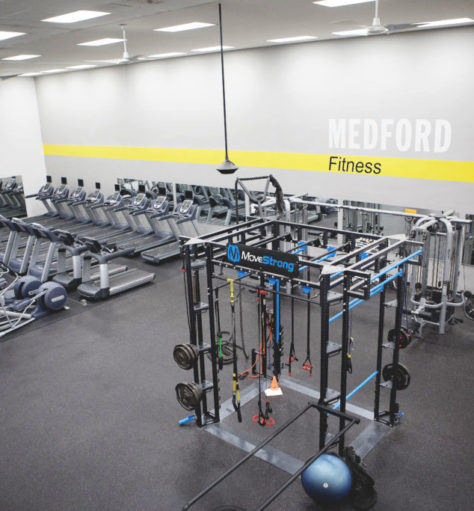
Gyms provide a conducive environment for individuals to engage in regular physical activity, which is crucial for maintaining good health. Health authorities note that regular physical activity can help prevent chronic diseases such as heart disease, diabetes, and obesity. Local gyms offer a variety of fitness equipment and classes, catering to different fitness levels and interests.
2. Mental Health Benefits
In addition to physical health, gyms also contribute to mental well-being. Exercise has been shown to reduce symptoms of depression and anxiety, improve self-esteem, and enhance overall mood. Local gyms provide a supportive environment where individuals can work towards their fitness goals while also enjoying the social aspects of group classes and personal training sessions.
3. Community Engagement
Gyms serve as a hub for community engagement, bringing people together and fostering a sense of belonging. Many local gyms host events, challenges, and group activities that encourage members to connect with one another. This social aspect of gyms can have a positive impact on the mental health and overall well-being of individuals in the community.
Benefits of Local Gyms
1. Access to Professional Guidance

Local gyms often employ certified personal trainers who can provide professional guidance and support to members. This personalized attention can help individuals achieve their fitness goals more effectively and safely. Research has shown that having a personal trainer can significantly improve exercise adherence and overall fitness outcomes.
2. Diverse Fitness Options
Local gyms offer a wide range of fitness options, including strength training, cardio, yoga, Pilates, and group fitness classes. This diversity allows individuals to find activities that they enjoy and that cater to their specific fitness needs. By providing a variety of options, local gyms encourage a lifelong commitment to health and wellness.
3. Safe and Clean Facilities
Local gyms prioritize the safety and cleanliness of their facilities. Regular maintenance, sanitization protocols, and well-maintained equipment ensure that members can exercise in a safe and hygienic environment. This commitment to cleanliness is particularly important in recent times, as it helps to prevent the spread of infectious diseases.
Challenges Faced by Local Gyms

1. High Membership Costs
One of the main challenges faced by local gyms is the high cost of membership. For many individuals, the monthly or yearly fees can be a significant financial burden. This can limit access to gyms for those who could benefit most from their services.
2. Competition from Home Fitness Options
The rise of home fitness options, such as online classes and fitness apps, has also presented a challenge to traditional gyms. While home workouts offer convenience and flexibility, they may not provide the same level of community engagement and professional guidance that gyms offer.
3. Health and Safety Concerns
Recent health events have highlighted the importance of health and safety in gyms. Local gyms have had to implement new protocols and guidelines to ensure the safety of their members and staff. Adhering to these guidelines can be challenging and may impact the overall experience of gym members.
Conclusion
Local gyms have played a vital role in promoting health and wellness within their communities. They offer numerous benefits, including access to professional guidance, diverse fitness options, and a sense of community. However, they also face challenges such as high membership costs, competition from home fitness options, and health and safety concerns. To continue serving the community effectively, local gyms must adapt to these challenges and continue to prioritize the health and well-being of their members.
Recommendations and Future Research
To address the challenges faced by local gyms, the following recommendations are proposed:
1. Offer Flexible Membership Options: Gyms should consider offering more flexible membership plans, such as pay-as-you-go or monthly subscriptions, to make their services more accessible to a wider range of individuals.
2. Partnerships with Local Organizations: Gyms can collaborate with local organizations to provide affordable fitness programs for underserved populations.

3. Invest in Technology: Gyms should invest in technology to enhance the fitness experience, such as virtual classes and personalized workout plans.
Future research should focus on:
1. The long-term impact of gyms on community health: Studies should investigate the long-term effects of gym membership on individuals’ health and well-being.
2. The effectiveness of different fitness programs: Research should compare the effectiveness of various fitness programs offered by local gyms to determine the best practices for promoting health and wellness.
3. The role of gyms in preventing chronic diseases: Studies should explore how gyms can contribute to the prevention of chronic diseases within the community.
By addressing these challenges and focusing on future research, local gyms can continue to be a valuable resource for community health and wellness.



