


The Transformational Impact of a Local Fitness Facility on Community Health and Well-being
Introduction
A modern state-of-the-art fitness facility has emerged as a beacon of health and wellness in the heart of the local community. This article explores the multifaceted impact of this facility on residents’ health and well-being, highlighting its role as a catalyst for positive lifestyle changes. By examining its offerings, community response, and broader implications, the article underscores the importance of such facilities in fostering a healthier society.
The State-of-the-Art Facilities at the Local Fitness Facility
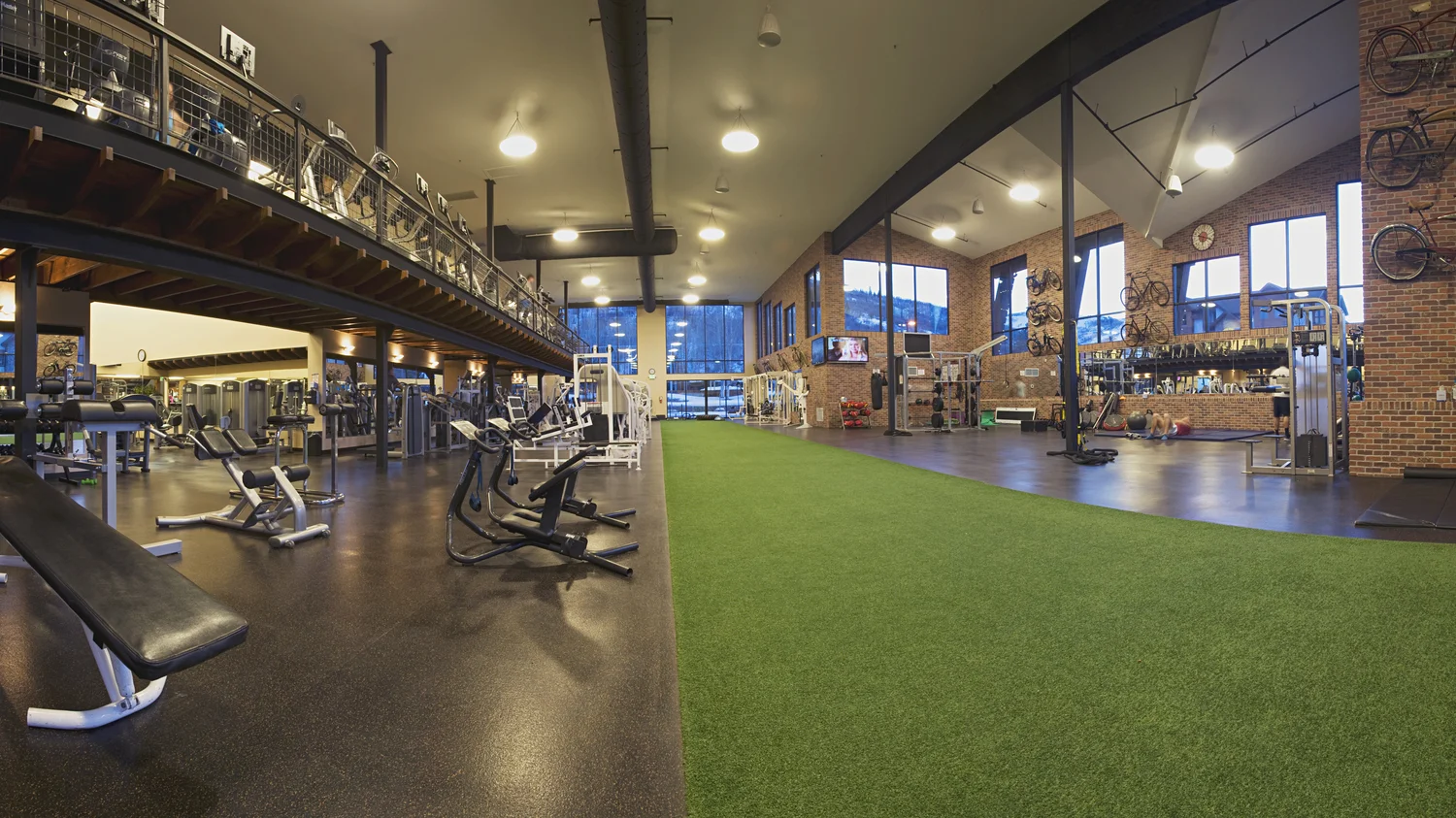
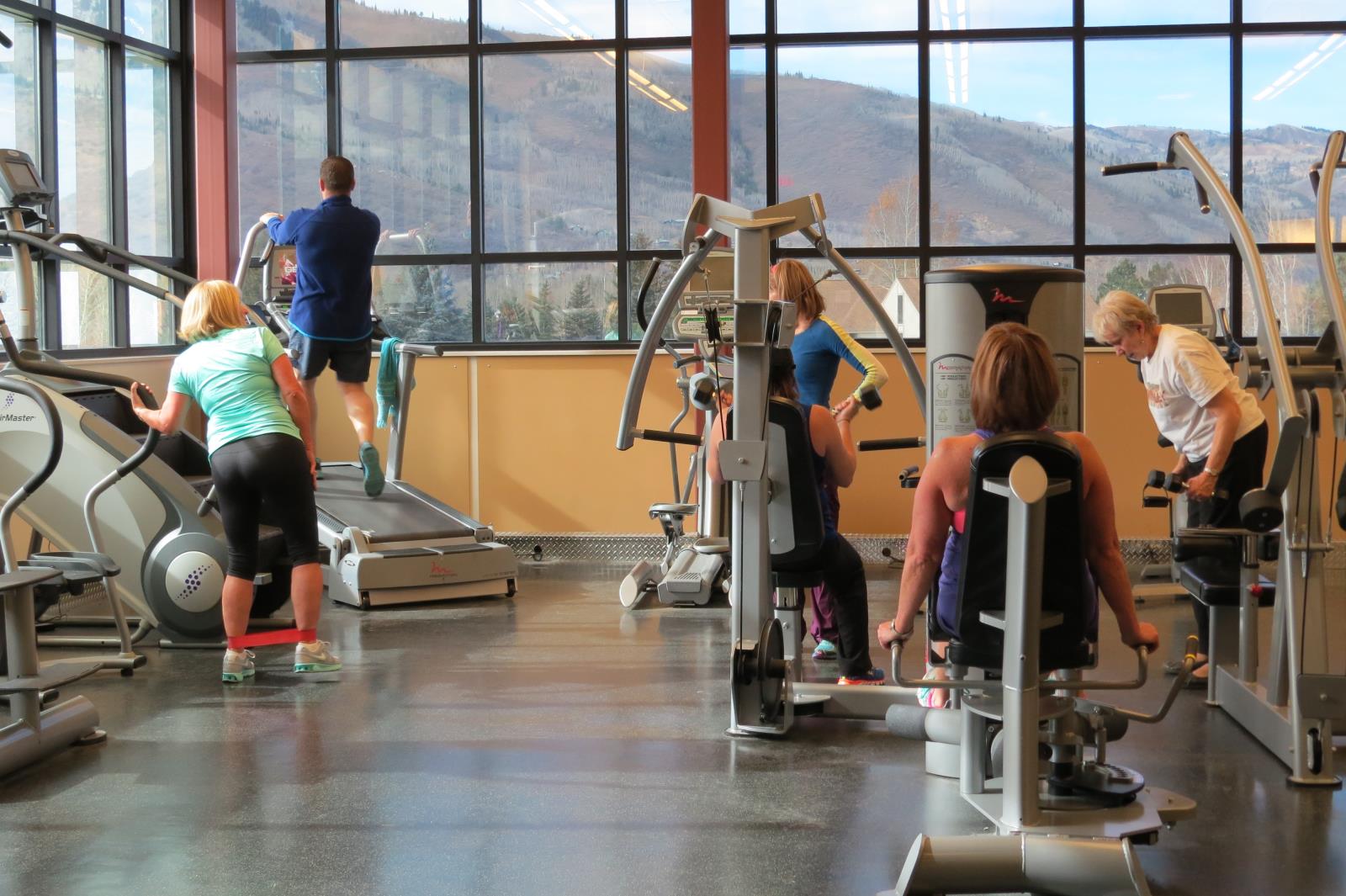
The facility boasts an impressive array of amenities designed to cater to a wide range of fitness needs. From cardio and strength training equipment to group fitness classes and personal training sessions, it offers a comprehensive approach to health and wellness. The following sections detail the specific features that make this facility a standout fitness destination.
Cardiovascular Health
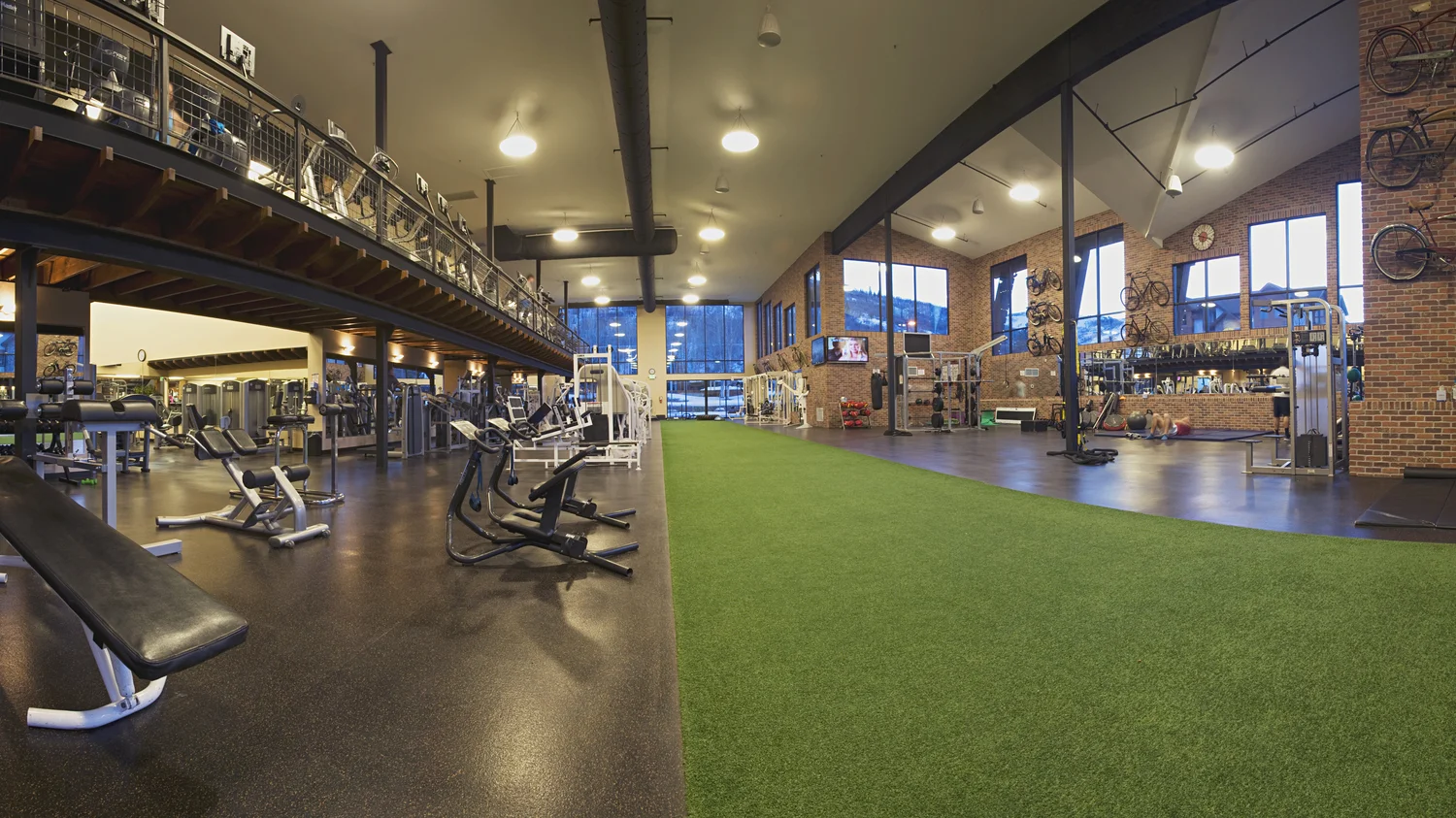
One of the facility’s primary focuses is cardiovascular health. It is equipped with a variety of treadmills, elliptical machines, and stationary bikes, allowing members to engage in diverse cardio workouts. These activities are crucial for maintaining heart health, improving circulation, and reducing the risk of chronic conditions like heart disease and stroke.
Strength Training
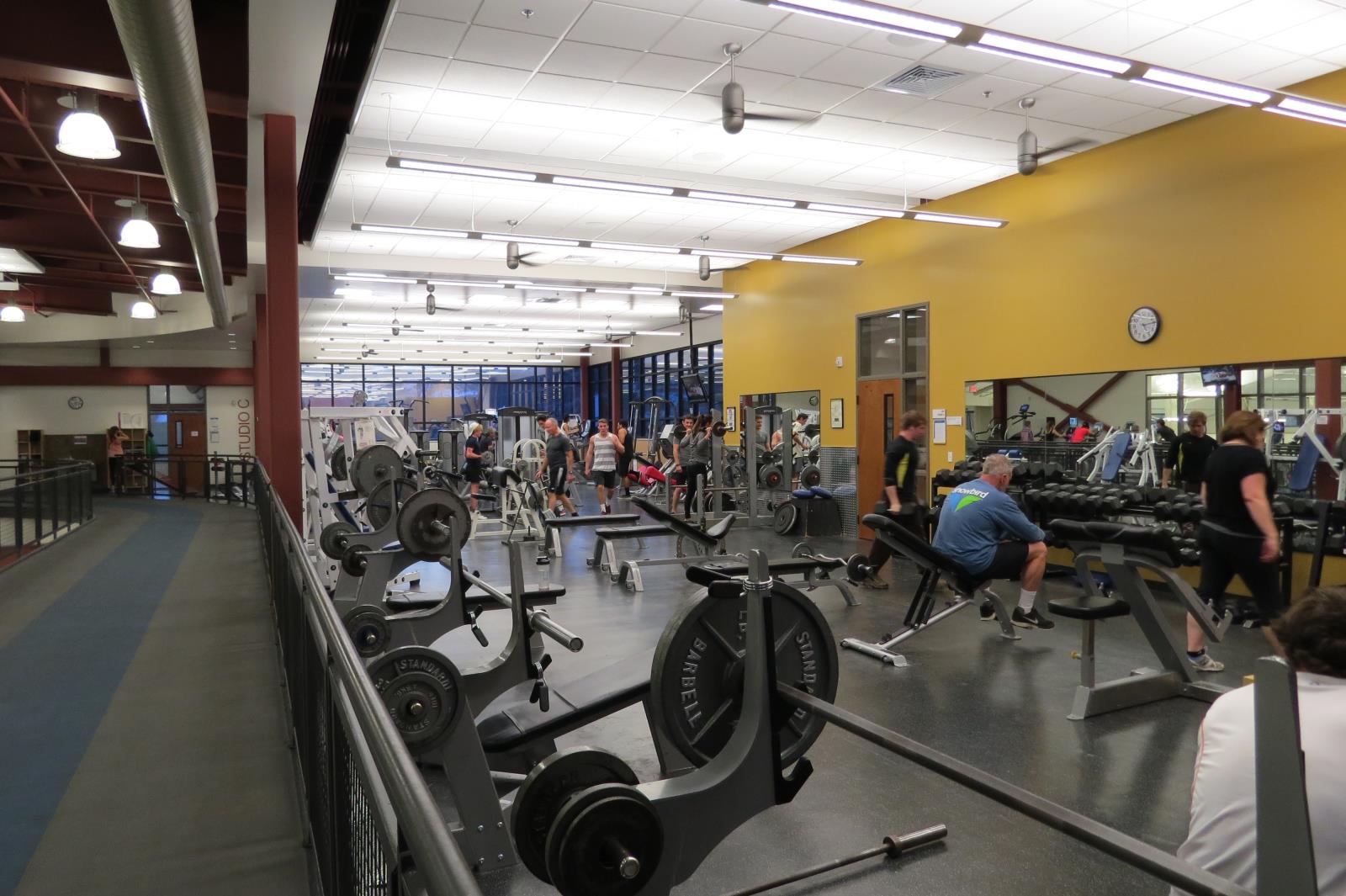
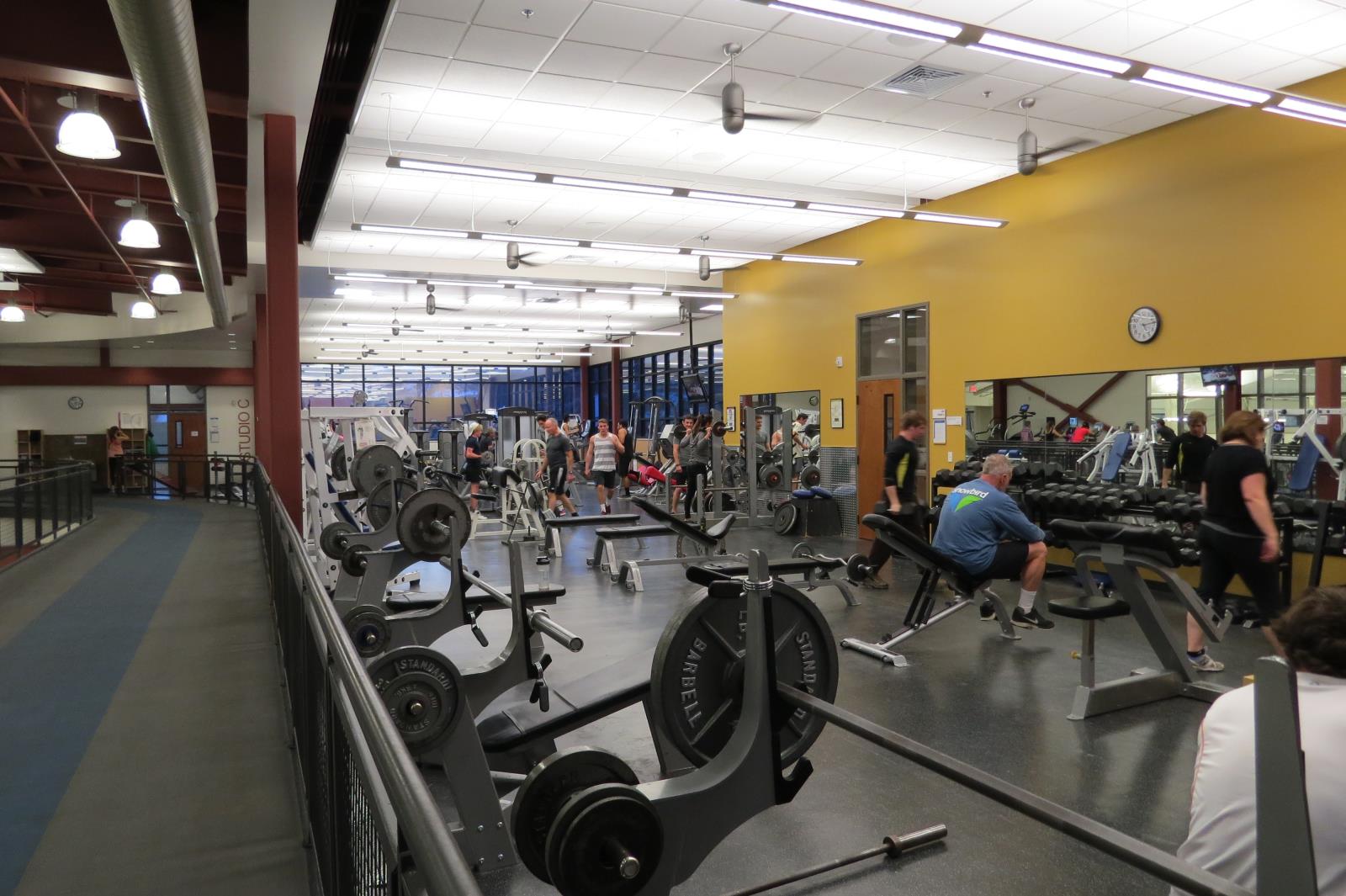
Strength training is another core offering. The facility features a range of free weights, weight machines, and functional training tools, enabling members to build muscle, increase bone density, and enhance overall strength. This is particularly beneficial for older adults, supporting improved balance and reduced fall risk.
Group Fitness Classes
The facility offers a diverse selection of group fitness classes, including yoga, Pilates, spin, and boot camp. These sessions provide a social, supportive environment for members to stay active, fostering a sense of community and motivation. Research indicates group classes boost exercise adherence and overall fitness levels.
Personal Training
For those seeking personalized guidance, the facility provides certified personal training services. Trainers work one-on-one with members to create tailored workout plans, ensuring safe, effective progress toward individual fitness goals.
The Community’s Response to the Local Fitness Facility
The opening of the facility has had a significant impact on the local community. The following sections explore this response, including increased physical activity levels, improved mental health, and a stronger sense of community connection.
Increased Physical Activity
Since its launch, the facility has seen a steady rise in membership and attendance. This uptick in physical activity has rippled through the community, with more residents taking advantage of its offerings. Regular exercise is linked to a range of health benefits, including reduced chronic disease risk, better mental health, and longer lifespans.
Improved Mental Health
Beyond physical health, the facility has positively impacted members’ mental well-being. Regular exercise reduces symptoms of anxiety and depression, improves sleep quality, and enhances overall mood. The supportive, inclusive environment further contributes to members’ mental health.
Strengthened Community
The facility has fostered a stronger sense of community among residents. It serves as a hub for social interaction, where members form friendships and support each other in their fitness journeys. This community spirit extends beyond the facility, with many residents participating in local events and programs organized by the center.
Broader Implications of the Local Fitness Facility
The facility’s success has wider implications for the fitness industry and local communities. The following sections explore these, including the potential for wider adoption of similar facilities and the value of community engagement in promoting health and wellness.
Potential for Wider Adoption
The facility’s success suggests a demand for high-quality fitness centers in urban areas. This could lead to more such facilities being established, giving more residents access to the health and wellness benefits they offer.
Importance of Community Engagement
The facility’s success also highlights the importance of community engagement in promoting health and wellness. By involving residents in planning and implementation, it tailored its offerings to meet local needs and preferences. This approach can be replicated elsewhere to create more effective, inclusive health programs.
Conclusion
The local fitness facility has made a significant impact on community health and well-being, offering comprehensive fitness options and fostering a strong sense of community. Its success serves as a model for other urban areas looking to promote health among residents. By emphasizing community engagement and the potential for wider adoption of similar facilities, it sets a precedent for positive change in health and fitness.
Recommendations and Future Research
To enhance the impact of this facility and similar centers, the following recommendations are proposed:
1. Expand Outreach Programs: The facility should continue expanding outreach to underserved populations, promoting health and fitness education in the community.
2. Collaborate with Local Organizations: Partnering with local schools, hospitals, and community centers can extend the facility’s reach and create a more cohesive approach to health and wellness.
3. Monitor and Evaluate Impact: Regularly tracking and evaluating the facility’s impact on community health can identify areas for improvement and ensure it remains relevant and effective.
Future research should focus on the long-term effects of the facility on the community, including impacts on chronic disease rates, mental health outcomes, and overall quality of life. Additionally, studies should explore the effectiveness of similar facilities in different urban settings and best practices for community engagement in health initiatives.



