


The Role of Fitness Clubs in Enhancing Overall Well-being
Introduction
In today’s fast-paced world, maintaining a healthy lifestyle has grown more challenging than ever. As sedentary jobs and unhealthy eating habits become increasingly common, the demand for fitness clubs has risen sharply. These facilities provide a wide array of services and equipment to meet the diverse fitness needs of individuals. This article explores the importance of fitness clubs in promoting overall well-being, discussing their roles, benefits, and impact on people’s lives.
The Role of Fitness Clubs
Fitness clubs serve as a hub for individuals looking to improve their physical, mental, and emotional health. These spaces offer a safe, supportive environment where members can engage in various fitness activities—from strength training to cardiovascular exercises. The role of fitness clubs can be broken down into three key areas:
1. Physical Health
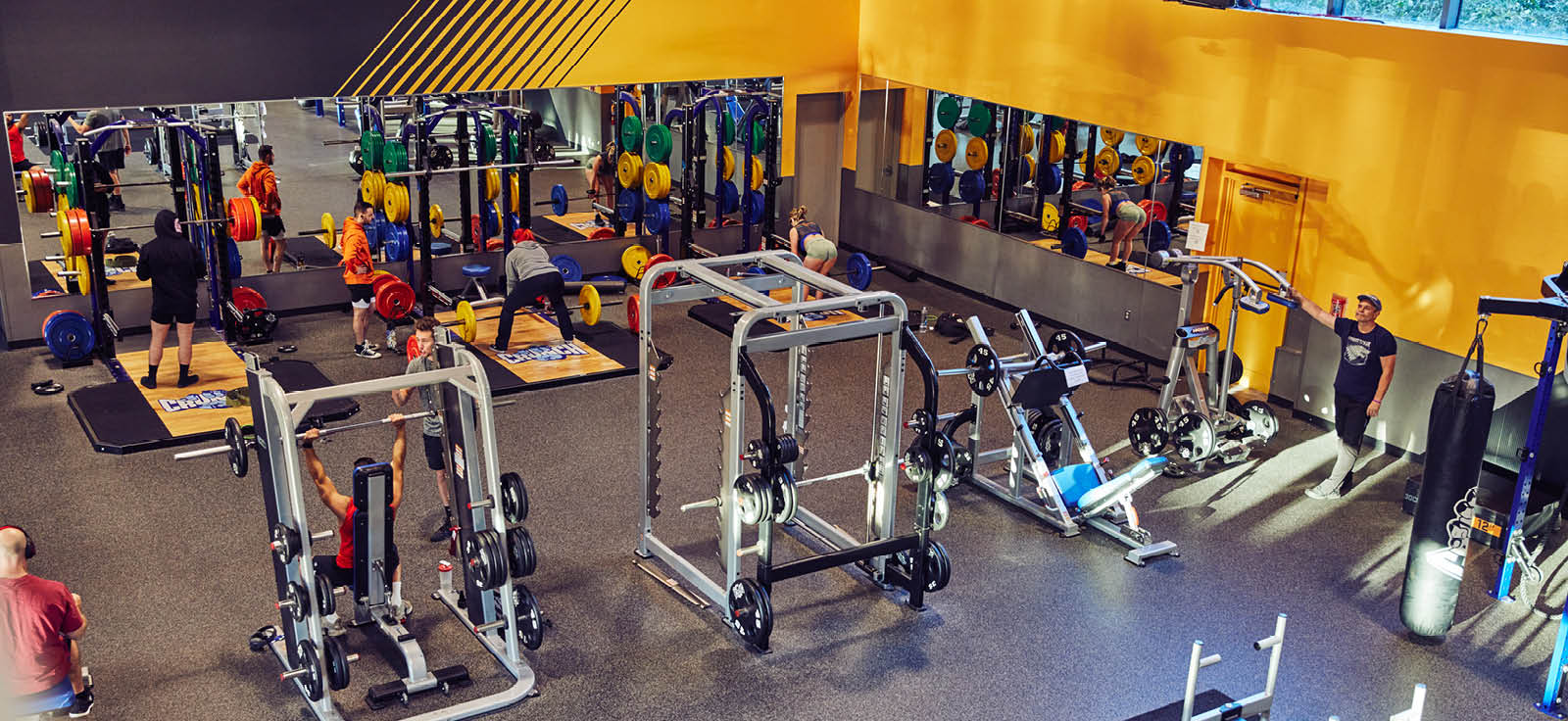
Regular exercise is essential for physical well-being, and fitness clubs play a pivotal role here. They offer a broad range of equipment and classes tailored to different fitness levels, ensuring members can find activities that align with their goals. By encouraging consistent movement, fitness clubs help reduce the risk of chronic conditions such as obesity, diabetes, and heart disease.
2. Mental Health
Exercise is proven to boost mental health, easing symptoms of anxiety and depression. Fitness clubs provide a conducive space for physical activity, which can improve mood and overall mental well-being. Group classes like yoga or Zumba also foster a sense of community and social support, further enhancing mental health.
3. Emotional Health
Fitness clubs help individuals build a positive self-image and boost self-esteem. Setting and achieving fitness goals gives members a sense of accomplishment and pride—feelings that extend beyond the gym to positively impact personal and professional lives.
Benefits of Fitness Clubs
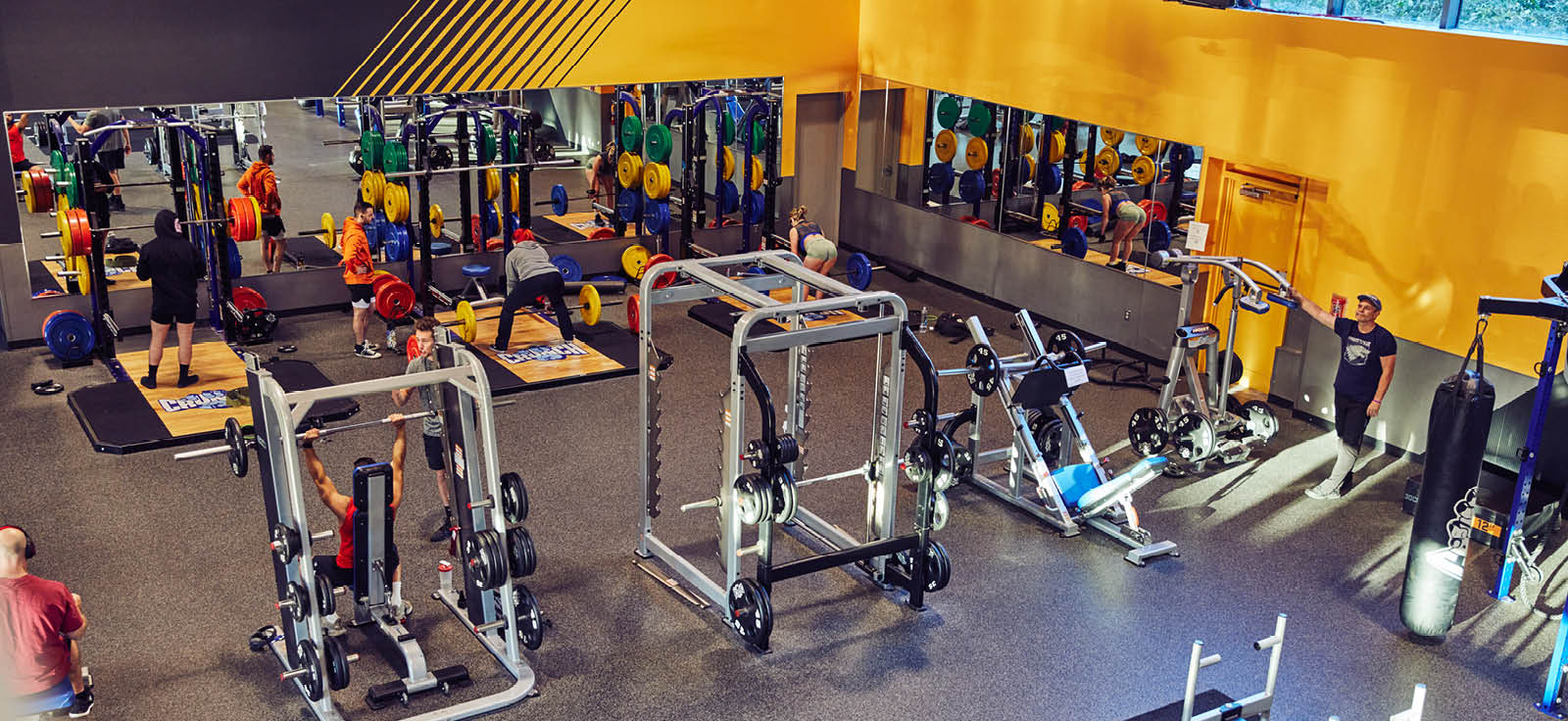
Fitness clubs offer numerous benefits that contribute to overall well-being. Key advantages include:
1. Access to Professional Guidance
Most fitness clubs employ certified personal trainers who provide personalized advice. These experts design workout routines, monitor progress, and adjust exercises to ensure safety and effectiveness.
2. Variety of Activities
Fitness clubs offer diverse options—from group classes to one-on-one training. This variety helps members find activities they enjoy, keeping them motivated to stick to a consistent fitness routine.
3. Social Interaction
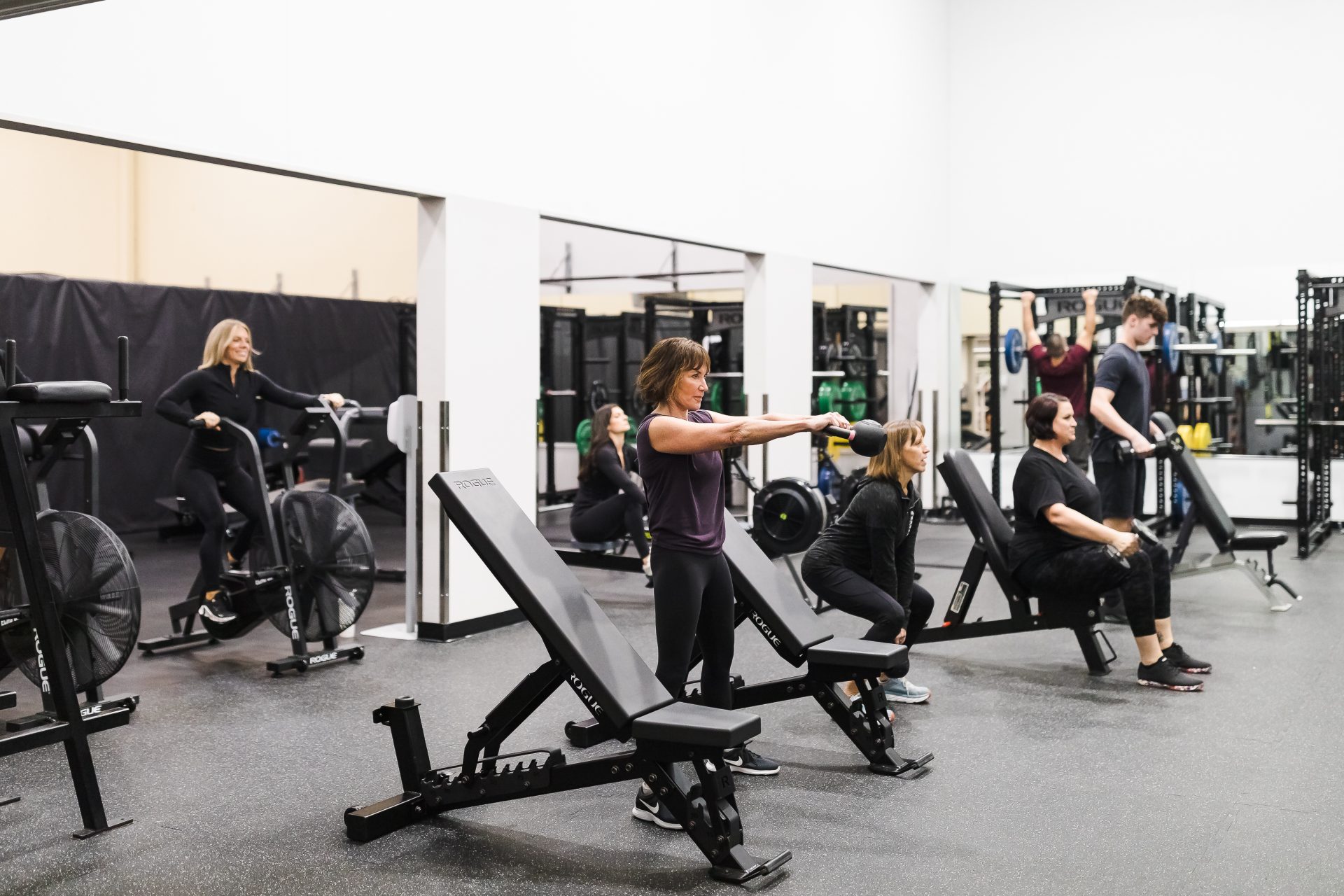
One of the greatest benefits is the chance to connect with others. Members build friendships, share experiences, and support each other’s fitness journeys—especially valuable for those who might feel isolated exercising alone.
Impact of Fitness Clubs on Individuals’ Lives
Fitness clubs can have a profound impact on people’s lives. Here are a few key outcomes:
1. Improved Quality of Life
Regular exercise and club participation often lead to higher energy levels, better sleep, and a more positive outlook on life.
2. Long-Term Health Benefits
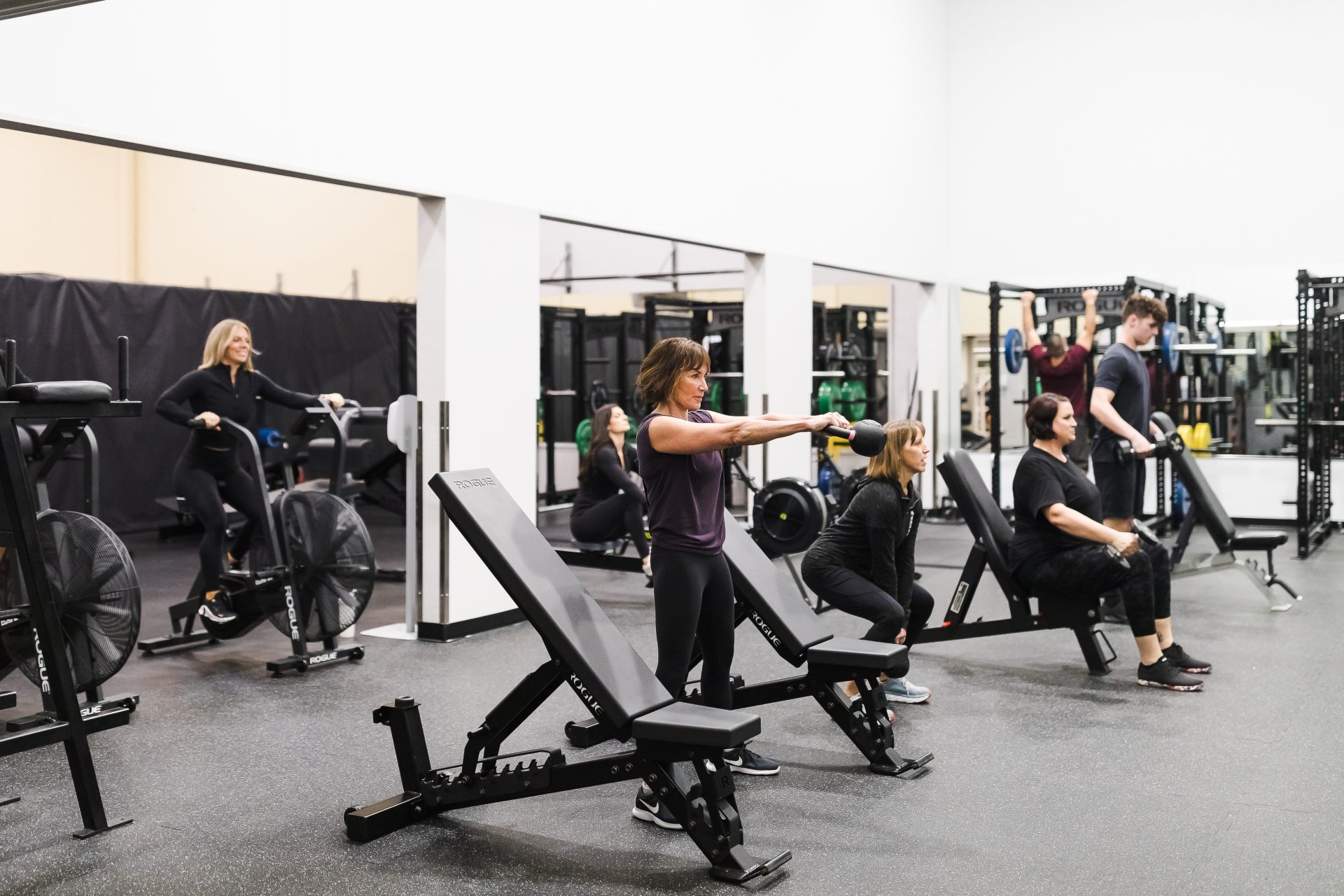
By promoting consistent movement and healthy habits, fitness clubs contribute to long-term health. Members who stay active are less likely to develop chronic diseases and enjoy a higher quality of life as they age.
3. Enhanced Productivity
A healthy lifestyle supported by fitness clubs boosts productivity in both personal and professional settings. Regular exercisers often report better concentration, decision-making skills, and overall cognitive function.
Conclusion
In summary, fitness clubs play a crucial role in promoting overall well-being. By offering a safe, supportive space with diverse fitness options, they help individuals improve their physical, mental, and emotional health. The benefits of joining a fitness club are wide-ranging—from professional guidance and social connection to long-term health gains and increased productivity. As the importance of healthy living continues to grow, fitness clubs will only become more vital.
Recommendations and Future Research

To amplify the impact of fitness clubs, consider the following recommendations:
1. Promoting Inclusivity: Clubs should strive to make facilities accessible to people of all backgrounds, including those with disabilities or limited financial means.
2. Community Engagement: Partner with local organizations to host wellness events, such as community fitness days or school partnerships.
3. Continual Learning: Invest in ongoing staff training to keep them updated on the latest fitness research and techniques.
Future research could explore the long-term effects of fitness club membership on health outcomes, the effectiveness of different club programs, and the social and economic impact of fitness clubs on communities.


