

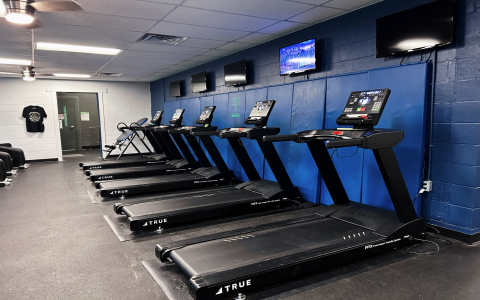
The Importance of Fitness Centers Near Residential Areas
Introduction
In recent years, the health and fitness industry has seen significant growth, with more people seeking ways to maintain a healthy lifestyle. A key factor driving this trend is the availability of fitness centers close to residential areas. This article explores why these facilities matter, discussing their impact on community health, convenience, and overall well-being to provide a comprehensive understanding of their importance.
Community Health and Well-being
Fitness centers near homes play a crucial role in promoting community health and well-being. Research suggests that individuals living close to a fitness center are more likely to engage in regular physical activity. This proximity encourages residents to integrate exercise into daily routines, leading to better physical and mental health.
Regular physical activity reduces the risk of chronic diseases like heart disease, diabetes, and obesity. It also boosts mental health by lowering stress and improving mood. With fitness centers easily accessible, communities can foster a culture of health, making it simpler for residents to adopt and sustain healthy habits.
Convenience and Accessibility
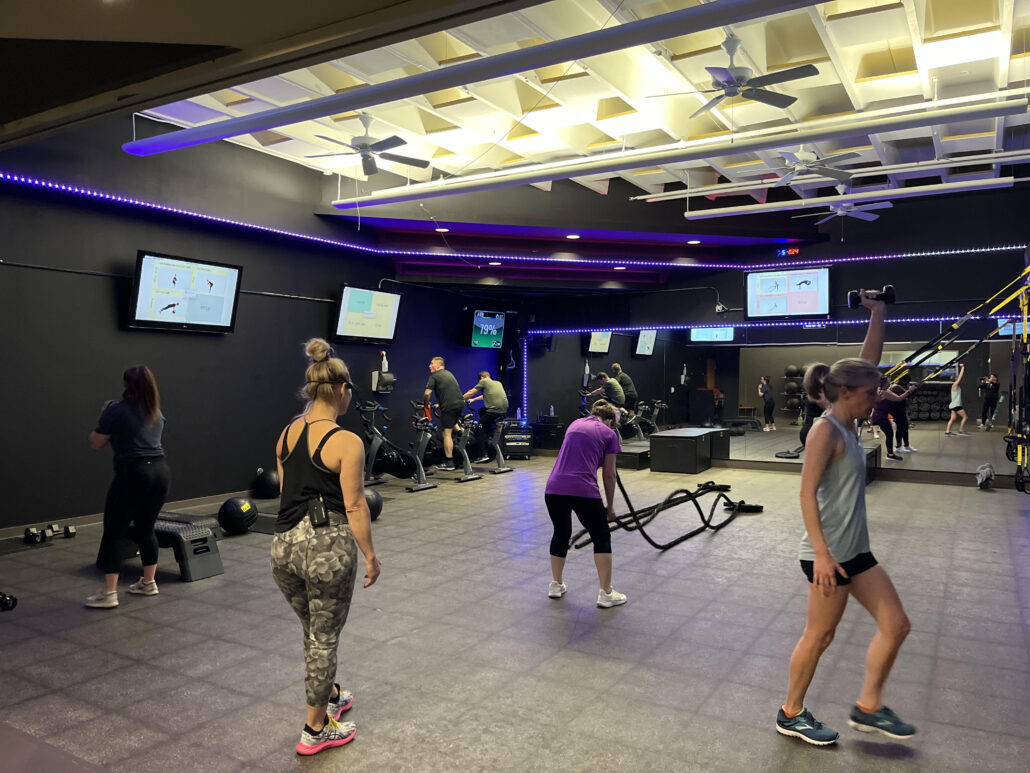
Convenience and accessibility are top reasons fitness centers near homes are popular. For many, lack of time or transportation is a major barrier to exercise. But when facilities are within walking or short driving distance, these barriers shrink significantly.
Research indicates that people living near fitness centers are more likely to stay physically active. This proximity lets individuals fit exercise into daily routines without extensive planning or travel.
Additionally, these fitness centers often offer flexible hours, diverse classes, and a range of equipment to meet community needs. This convenience makes it easier to maintain consistent exercise habits, leading to better health outcomes.
Economic Benefits
Fitness centers near residential areas also boost local economic well-being. They create jobs, generate revenue, and attract businesses and residents to the area. The health and fitness industry is a significant contributor to global employment and economic activity.
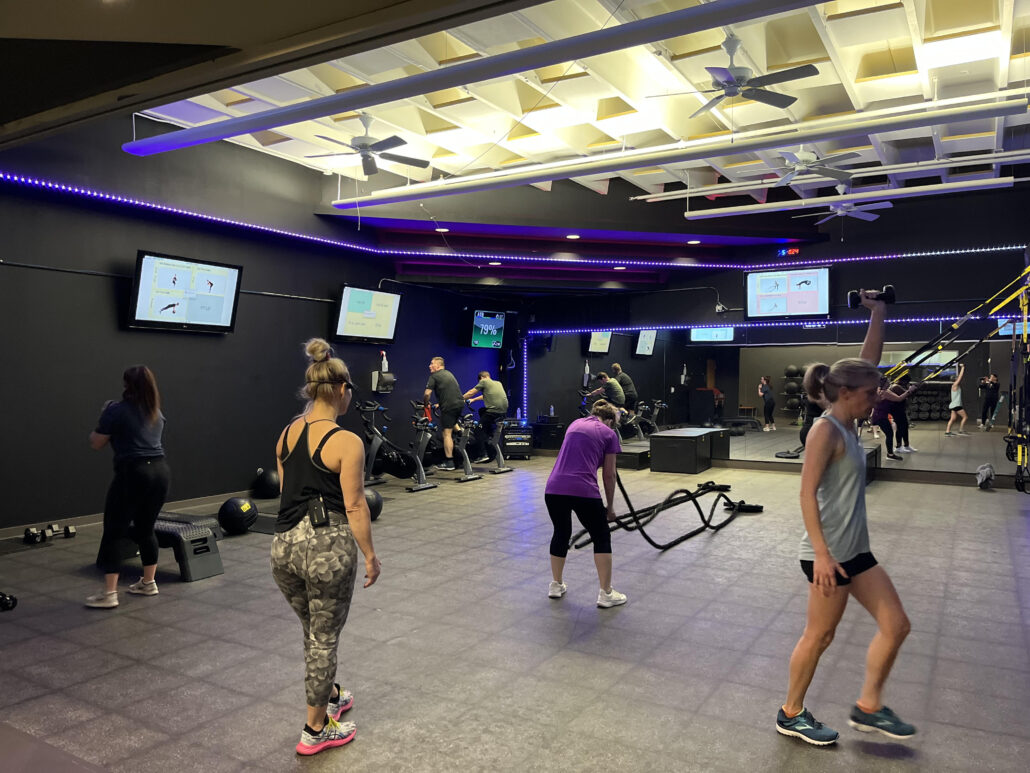
Moreover, fitness centers can increase property values. Studies suggest that having a fitness center in a community can boost property values, leading to higher tax revenue and a more vibrant local economy.
Social Benefits
Beyond health and economic gains, these fitness centers offer social benefits. They provide a space for people to connect, build relationships, and strengthen community ties. Regular exercise has been shown to reduce loneliness and isolation, improving social well-being.
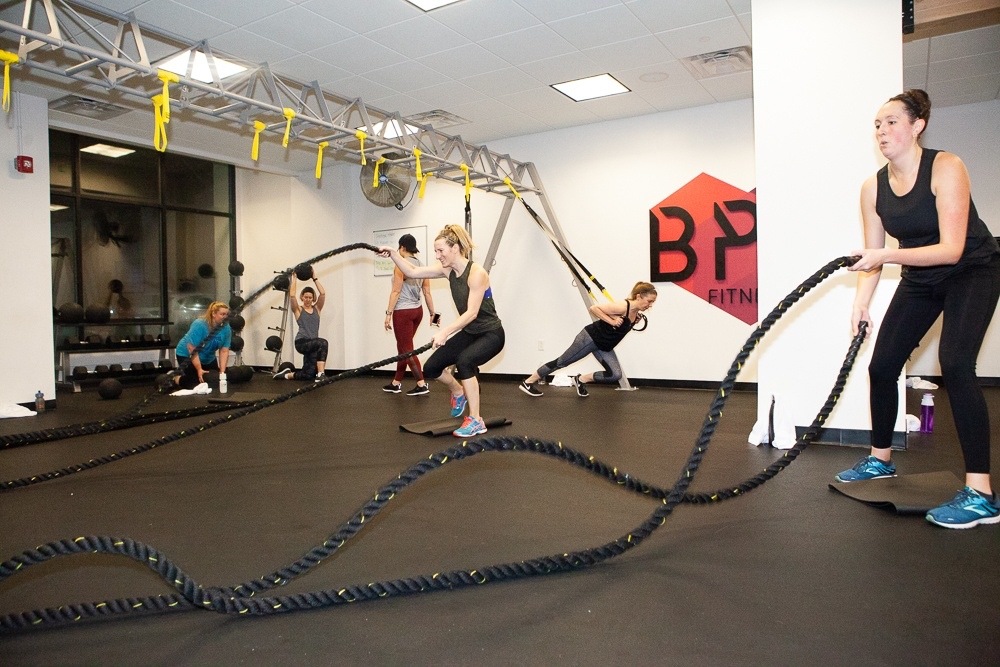
Fitness centers often host group classes, social events, and community programs that encourage interaction and mutual support. This sense of community fosters greater social cohesion and a more connected neighborhood.
Conclusion
In conclusion, fitness centers near residential areas are vital for promoting community health, convenience, and economic well-being. Their proximity to homes makes it easier for people to exercise regularly, improving physical and mental health. These facilities also drive economic and social development, creating a more connected and thriving community.
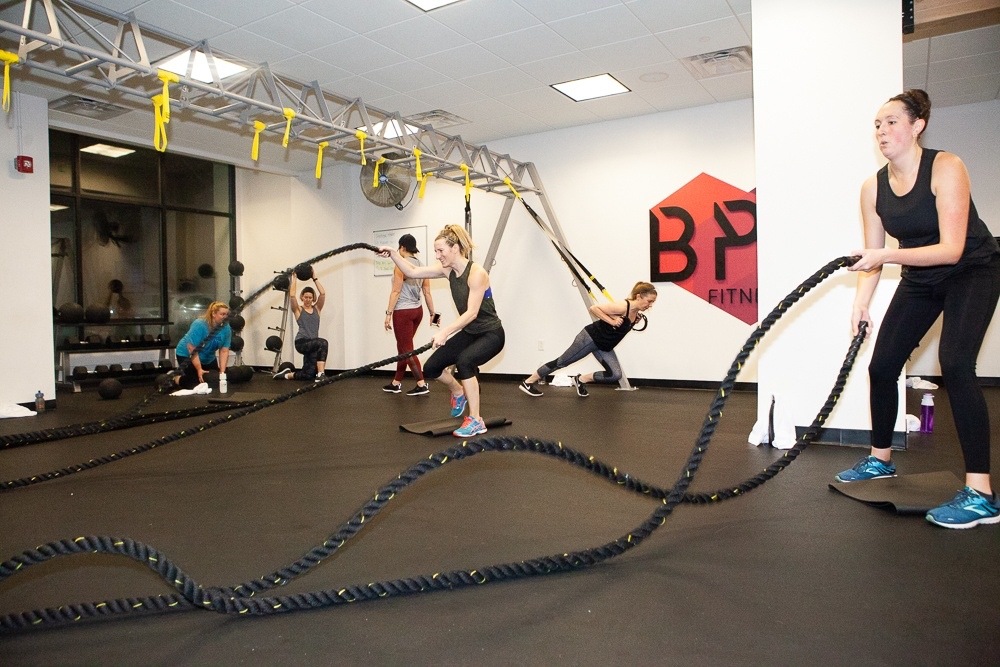
As the health and fitness industry grows, policymakers and developers should prioritize building fitness centers near residential areas. This will help create a healthier, more vibrant, and prosperous community for everyone.
Recommendations and Future Research
To maximize the benefits of fitness centers near homes, the following recommendations are proposed:
1. Increase funding and support for new fitness centers in underserved communities.
2. Implement policies requiring fitness centers in new residential developments.
3. Encourage partnerships between fitness centers, local schools, hospitals, and community groups to promote health initiatives.
Future research should focus on the long-term impact of these fitness centers on community health, economic development, and social cohesion. It should also explore how different types of centers and programs meet diverse community needs.
By acting on these recommendations and conducting further research, we can continue to prioritize fitness centers near residential areas and build a healthier, more vibrant future for all.



