

The Role and Impact of Gym Centers in Modern Society
Introduction
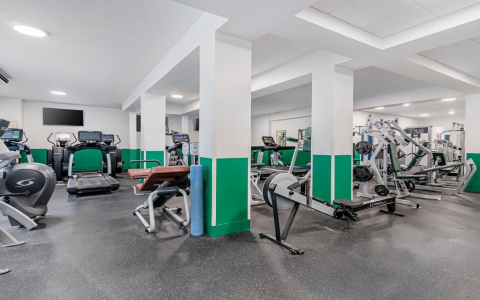
Gym centers have become an integral part of modern society, offering a space for individuals to engage in physical activity, improve their health, and foster a sense of community. This article explores the multifaceted role of gym centers, their impact on individuals and society, and evolving trends in the fitness industry. By examining health benefits, social dynamics, and economic implications, it provides a comprehensive understanding of gym centers’ significance today.
Health Benefits of Gym Centers
Physical Health Improvements
One primary reason people visit gym centers is to enhance physical health. Regular exercise reduces the risk of chronic diseases like heart disease, diabetes, and obesity. Research indicates that moderate-intensity exercise for at least 150 minutes weekly significantly lowers this risk.
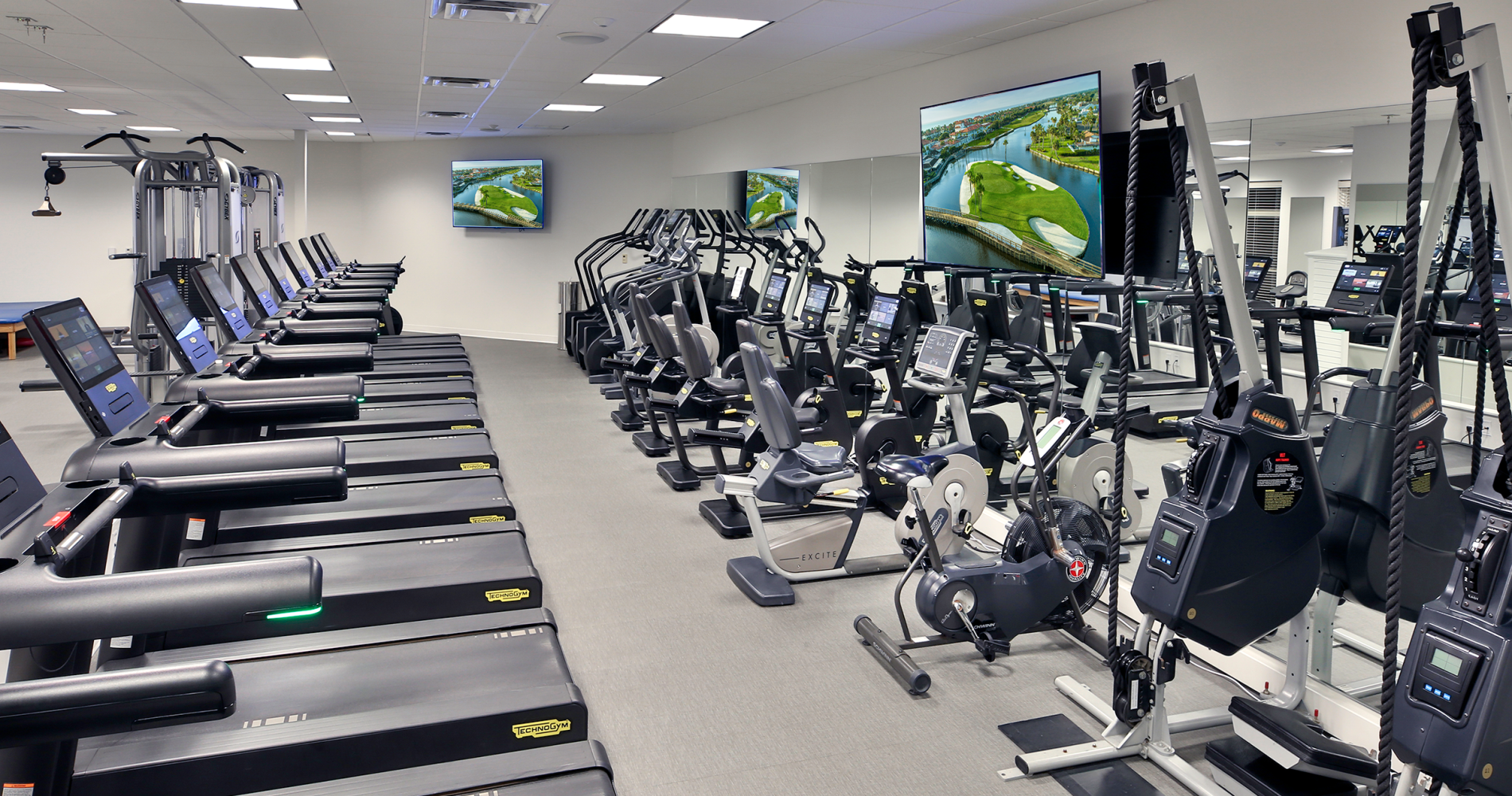
Gym centers offer a controlled environment for diverse activities—strength training, cardio, and flexibility workouts—boosting muscle strength, endurance, and overall physical well-being.
Mental Health Benefits
Gym centers also support mental well-being. Exercise reduces depression and anxiety symptoms, improves self-esteem, and enhances cognitive function. Studies link regular exercise to better mood and cognitive performance.
The gym atmosphere serves as stress relief, helping individuals unwind from daily pressures. Achieving fitness goals fosters a positive mindset and overall mental health.
Social Dynamics in Gym Centers
Community Building
Gym centers act as community hubs where diverse individuals pursue health goals together. This fosters social connections, motivation, and a support system for fitness journeys.
Research suggests group exercise settings increase adherence to routines and goal achievement. Camaraderie in gyms enhances the exercise experience and makes it more enjoyable.
Role Models and Mentorship
Gym centers provide a platform for role models and mentorship. Fitness professionals, trainers, and experienced members offer guidance to newcomers, helping them build healthy habits, set realistic goals, and overcome challenges.
Economic Implications of Gym Centers
Job Creation and Economic Growth
The gym industry’s growth creates numerous jobs, driving economic growth. It employs fitness instructors, trainers, managers, and maintenance staff across diverse roles.
The fitness industry generates substantial annual revenue and supports millions of global jobs, highlighting its role in job creation and economic contribution.
Market Trends and Consumer Behavior
Gym centers are adapting to shifting consumer demands for personalized, innovative fitness experiences. New concepts include boutique studios, virtual classes, and holistic wellness centers.
These trends reflect evolving consumer preferences for engaging, convenient options. Gyms must adapt to remain competitive and meet audience needs.
Conclusion
Gym centers play a vital role in modern society, offering benefits to individuals and communities—from physical/mental health to social connections and economic growth. As the fitness industry evolves, gyms must adapt to changing consumer needs with innovative, personalized experiences to continue supporting well-being.
References
Research on physical activity and cardiovascular health benefits
Studies examining exercise’s impact on mental health and cognitive function
Research on behavior change theories and physical activity promotion
Industry reports on the global fitness sector’s economic impact and trends



