

The Impact of Local One-Dollar Zones
Introduction
The concept of one-dollar zones has gained significant attention in urban and suburban areas globally. These zones, defined by a wide range of goods and services available for just one dollar, have become popular among budget-conscious consumers. This article explores the significance of such zones, examining their impact on local economies, consumer behavior, and broader societal implications.
The Emergence of One-Dollar Zones
Definition and Characteristics
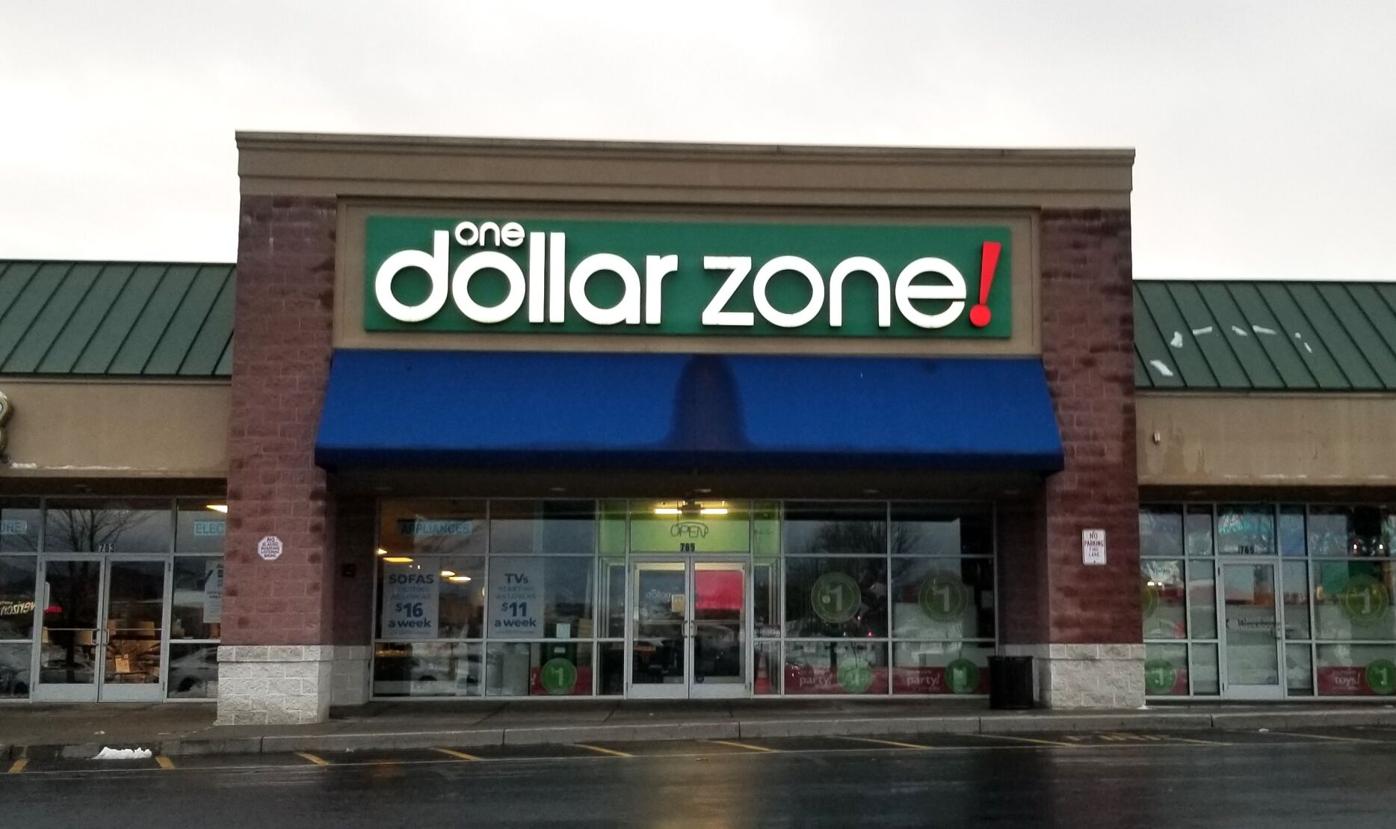
A one-dollar zone typically refers to a geographical area where a diverse array of products and services can be purchased for a single dollar. These zones often include dollar stores, discount markets, and street vendors offering items from groceries to basic electronics. Their key draw is affordability, making them particularly appealing to low-income families and students.

Factors Contributing to Growth
The rise of one-dollar zones can be attributed to several factors. Economic fluctuations, rising living costs, and growing income inequality have increased demand for affordable goods and services. Additionally, globalization in the retail sector has enabled the import of low-cost products, further fueling their expansion.
Economic Impact
Boosting Local Economies
The presence of one-dollar zones can positively impact local economies. These zones create jobs—from store staff to street vendors—and contribute to overall economic activity in the area. Moreover, their affordable offerings can attract more customers, potentially increasing sales for nearby local businesses.
Consumer Spending Patterns
One-dollar zones encourage consumers to spend within their budget constraints. This can lead to increased overall spending, as individuals feel they can afford more items than at higher-priced stores. However, product quality in these zones may vary, which could affect long-term consumer satisfaction and loyalty.
Consumer Behavior
Affordability and Accessibility
The primary appeal of one-dollar zones is their affordability. Price-sensitive consumers or those on tight budgets find these zones particularly attractive. The convenience of having such zones nearby means they can easily access affordable goods without traveling long distances.
Potential for Impulse Buying
The abundance of low-cost items in one-dollar zones can lead to impulse buying. Consumers may be tempted to purchase items they don’t need, which can impact their financial stability. It’s essential for consumers to be mindful of their spending habits and avoid unnecessary purchases.

Social Implications
Income Inequality
One-dollar zones serve as a stark reminder of income inequality. While they provide a lifeline for many, they also highlight disparities in wealth and access to resources. The concentration of these zones in certain neighborhoods can perpetuate social and economic segregation.
Community Impact
The presence of one-dollar zones can have both positive and negative effects on communities. On one hand, they can foster a sense of community and support for those in need. On the other hand, they may lead to increased litter, noise, and other issues associated with informal street vendors.
Case Studies and Research
Success Stories
Several studies have highlighted the positive impact of one-dollar zones on local communities. For example, research in various low-income areas has found that affordable retail hubs increased local employment opportunities and improved access to essential goods for residents.
Challenges and Criticisms
Despite potential benefits, one-dollar zones face challenges and criticisms. Critics argue these zones can contribute to the decline of local small businesses and lead to lower property values. Additionally, product quality may be compromised, raising concerns about consumer safety.
Conclusion
One-dollar zones have become an integral part of many communities, offering affordable goods and services to those in need. While they can boost local economies and improve access to essential items, they also raise important questions about income inequality and long-term impacts on local businesses. As these zones continue to evolve, it’s crucial to monitor their effects and ensure they serve as a positive force in communities.
Recommendations and Future Research
To maximize the benefits of one-dollar zones, it is recommended that:
1. Local governments and community organizations collaborate to address associated challenges, such as increased litter and noise.
2. Retailers in one-dollar zones prioritize selling quality products to maintain consumer trust and satisfaction.
3. Consumers remain mindful of their spending habits and avoid unnecessary purchases.
Future research should focus on:
1. The long-term impact of one-dollar zones on local economies and communities.
2. The role of one-dollar zones in reducing income inequality and improving access to essential goods and services.
3. Strategies for balancing the benefits of one-dollar zones with the preservation of local businesses and property values.



