


Boxing Gyms in Massachusetts: A Guide to Fitness, Skill, and Community
Introduction
Boxing gyms have grown in popularity as a go-to spot for fitness lovers and athletes of all kinds. With its diverse communities and rich sports culture, Massachusetts is home to many boxing gyms that serve people across various fitness levels and goals. This guide explores these gyms’ benefits, program offerings, and their role in local communities.
Benefits of Joining a Boxing Gym
Boxing gyms blend physical fitness, mental focus, and community connection in a unique way. Below are key benefits of joining one in Massachusetts:
Physical Fitness
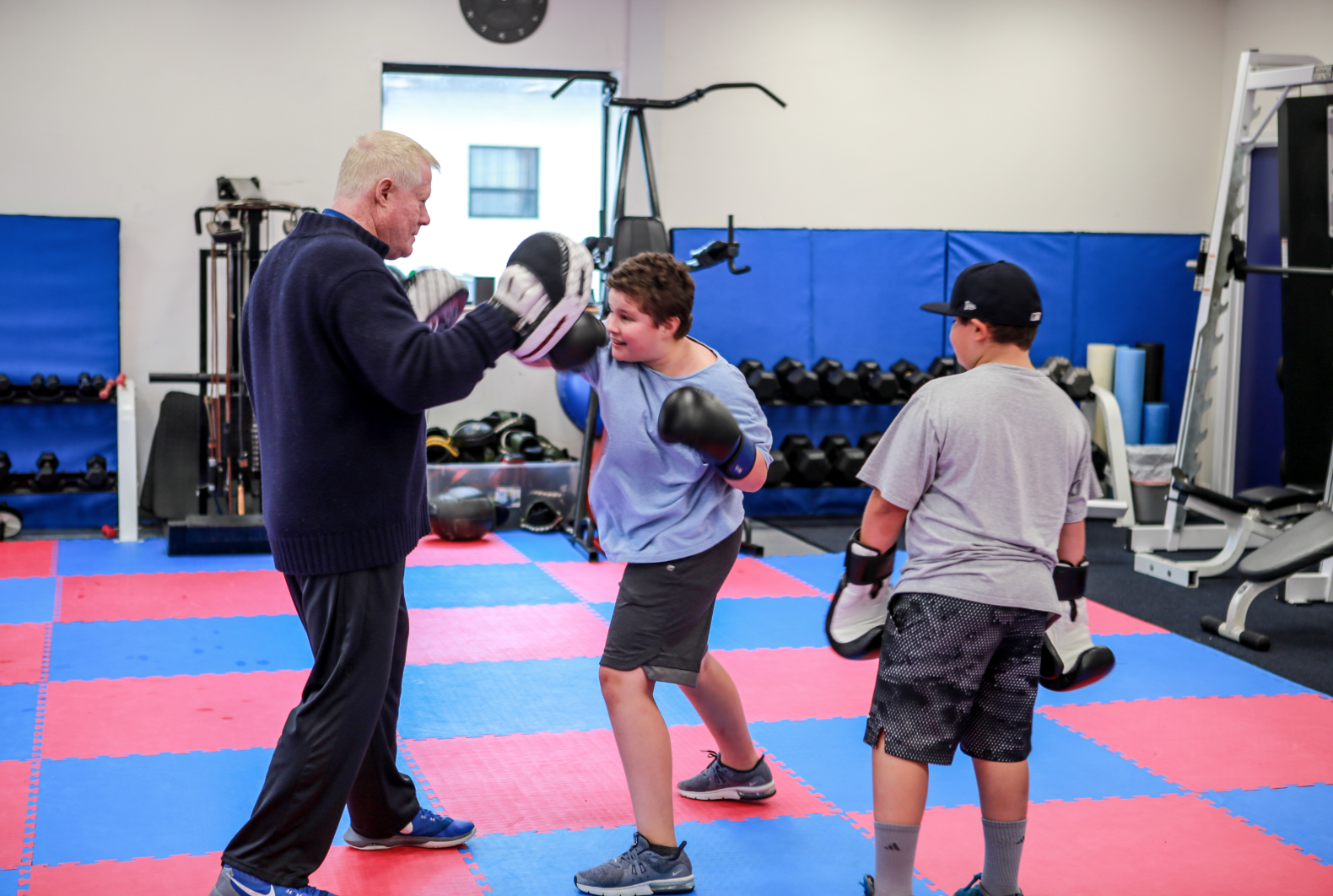
Boxing is a full-body workout that boosts cardiovascular endurance, muscle strength, and flexibility. It also sharpens coordination, balance, and agility. Consistent sessions can help people reach their fitness goals—whether that’s weight management, muscle growth, or overall wellness.
Mental Discipline
Boxing demands mental discipline and focus. It teaches people to stay composed under pressure, build resilience, and set (and meet) clear goals. These skills translate to other areas of life, turning gyms into spaces for both physical fitness and personal growth.
Community Engagement
Massachusetts boxing gyms build strong community bonds and camaraderie. They offer a supportive space where members can connect with others who share their goals, swap experiences, and cheer each other on in their fitness journeys.
Types of Boxing Gyms in Massachusetts
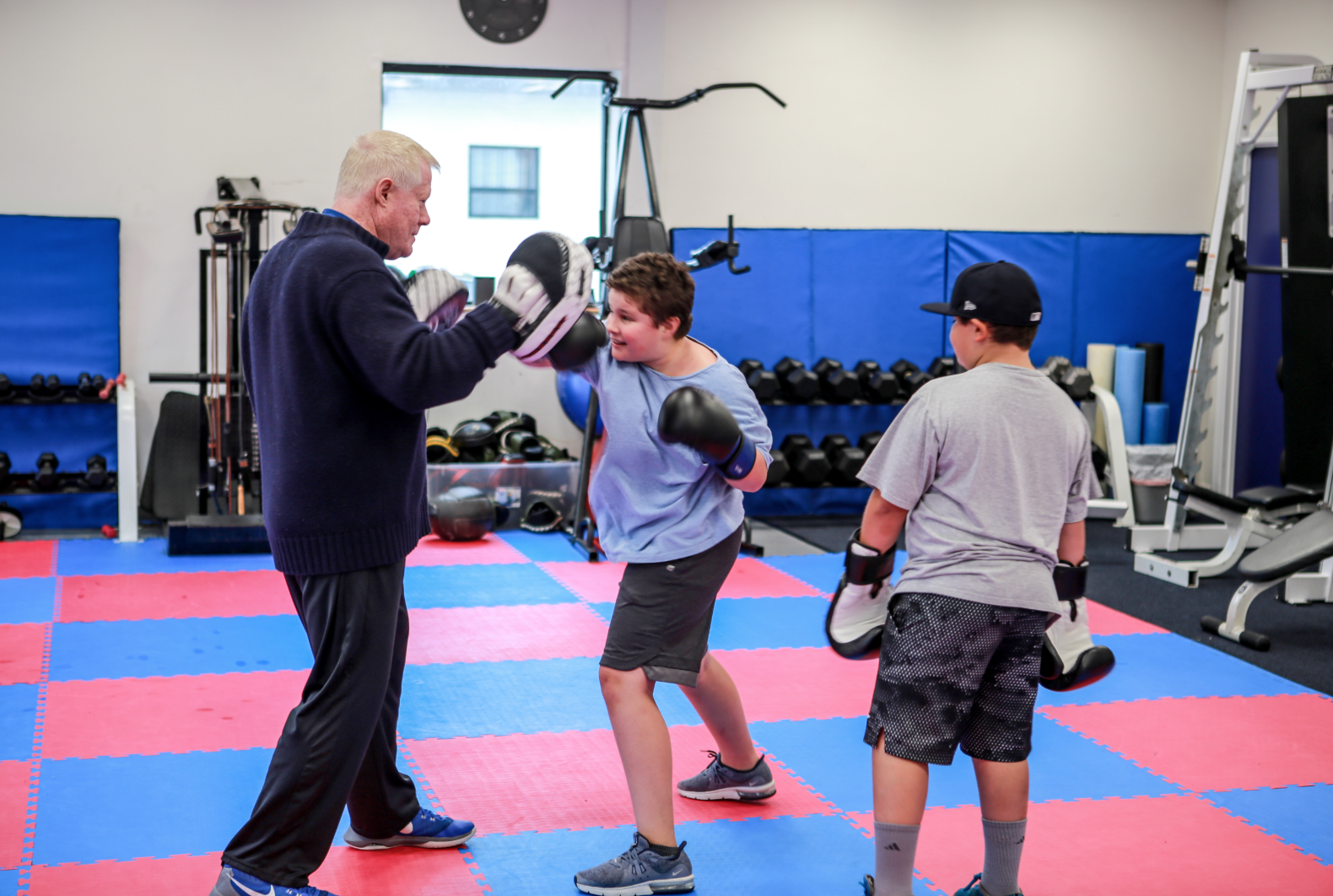
Massachusetts has a range of boxing gyms, each with its own focus and offerings. Here are common types to look for:
Traditional Boxing Gyms
Traditional gyms prioritize core boxing fundamentals: footwork, punch techniques, and defense. Most offer classes for beginners, intermediates, and advanced boxers, plus one-on-one training sessions.
Mixed Martial Arts (MMA) Gyms
Many local gyms also include mixed martial arts (MMA) programs. These spaces take a holistic approach to fitness, combining boxing with wrestling, Brazilian jiu-jitsu, and other martial arts disciplines.
Women’s Boxing Gyms
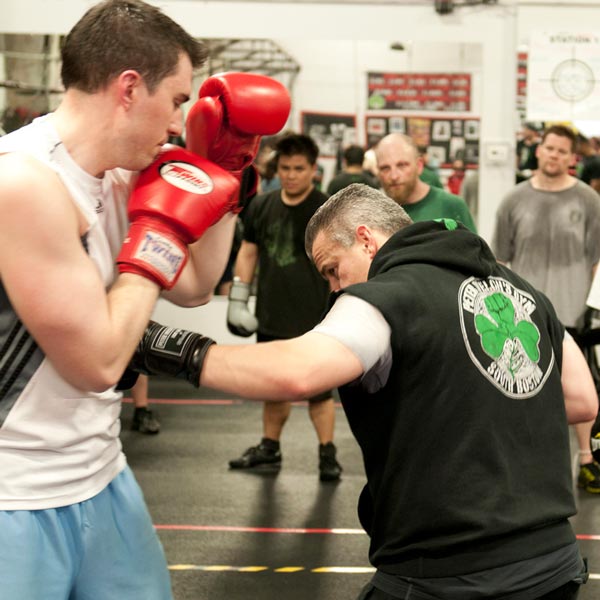
Women’s boxing gyms are tailored exclusively for women, offering a safe, supportive space to learn and practice boxing. Many provide specialized classes and training plans designed for female athletes’ unique needs.
Amateur Boxing Gyms
Amateur gyms center on competitive boxing, giving members chances to compete in local, regional, and national events. They typically offer training for all skill levels—including those working toward Olympic qualification.
The Impact of Boxing Gyms on Local Communities
Massachusetts boxing gyms make a meaningful impact on local communities—both physically and mentally. Here’s how they contribute:
Health and Wellness
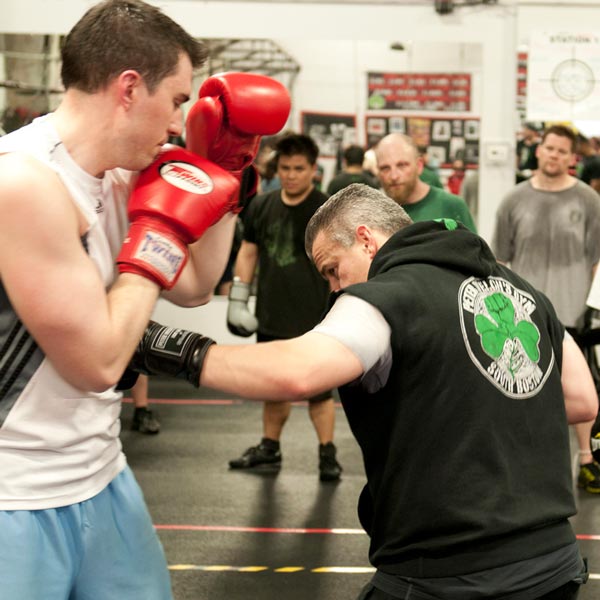
Gyms encourage healthy lifestyles and help address issues like obesity. They offer a safe, accessible space for people to stay active, supporting better overall health and well-being.
Crime Prevention
Studies indicate boxing gyms can lower neighborhood crime rates. By offering a positive, engaging alternative to street violence, they help at-risk youth avoid trouble and build valuable life skills.
Education and Employment
Many gyms provide educational programs and job training for members. These initiatives help people build skills and credentials to find employment and enhance their quality of life.
Conclusion

Massachusetts boxing gyms combine physical fitness, mental focus, and community connection in a unique way. With so many options available, people can find a gym that fits their goals and connect with others who share their passion. As boxing’s benefits become more widely known, these gyms will likely grow in importance for local health and well-being.
Recommendations and Future Research
To boost the impact of boxing gyms in Massachusetts, consider these recommendations:
1. Increase funding and support for gyms, especially those serving underserved communities.
2. Build partnerships between gyms and local schools/community centers to promote physical activity and education.
3. Conduct research into the long-term effects of boxing gyms on individuals and communities.

By acting on these recommendations and supporting local gyms, Massachusetts can help these valuable spaces thrive and keep contributing to residents’ health and well-being.



