The Impact of Local Fitness Centers on Community Health and Wellness
Introduction
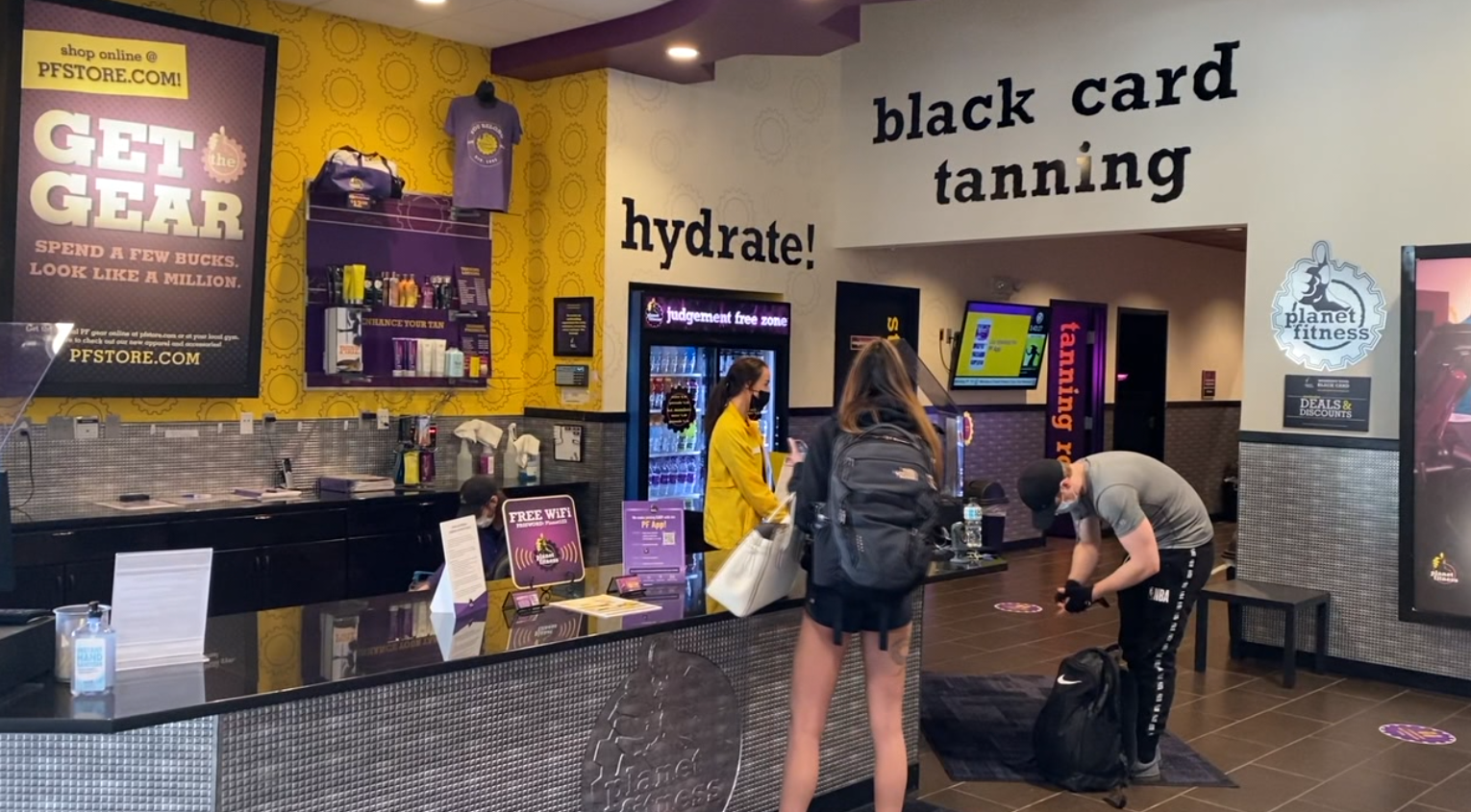
In many communities, a community-focused fitness center stands as a beacon of health and fitness for local residents. Such a facility, more than just a place to work out, has become a cornerstone of community health and wellness. This article aims to explore the multifaceted impact of community-focused fitness centers on local communities, discussing their role in promoting physical activity, mental health, and overall well-being. By examining the centers’ offerings, members’ experiences, and the broader implications of their presence, we will delve into the significance of such facilities in modern society.
The Role of Community-Focused Fitness Centers in Promoting Physical Activity
Community Engagement and Accessibility
Community-focused fitness centers often make a conscious effort to be accessible to all members of the community. With affordable membership rates and a variety of classes and equipment, these facilities become hubs for individuals of all ages and fitness levels. This inclusivity is crucial in promoting physical activity, as it removes barriers that might otherwise prevent people from engaging in regular exercise.
Facilitating Healthy Lifestyles
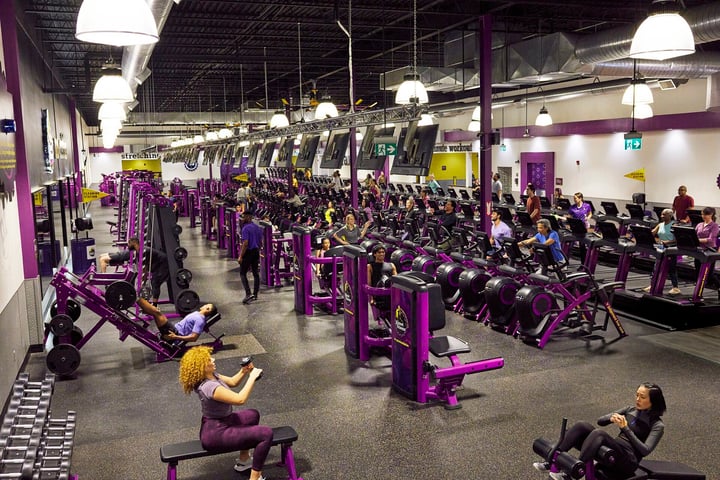
The commitment of such fitness centers to health and wellness is evident in their diverse range of programs and services. From personal training to group fitness classes, community-focused fitness centers offer a comprehensive approach to fitness that encourages members to adopt healthier lifestyles. The availability of these resources makes it easier for individuals to integrate physical activity into their daily routines.
Mental Health Benefits of Community-Focused Fitness Centers
Reducing Stress and Anxiety
Exercise is widely recognized for its ability to reduce stress and anxiety. Community-focused fitness centers provide a sanctuary where members can escape the pressures of daily life and focus on their well-being. The supportive environment, combined with the physical exertion of workouts, helps to alleviate mental health issues that are often exacerbated by sedentary lifestyles.
Boosting Self-Esteem and Confidence
Regular exercise has been shown to improve self-esteem and confidence. At community-focused fitness centers, members often report feeling more empowered and positive about themselves after a workout. This sense of accomplishment is not only beneficial for mental health but also for social interactions within the community.
Economic and Social Impact
Creating Employment Opportunities
Community-focused fitness centers, like many other fitness facilities, play a significant role in the local economy by providing jobs. From front desk staff to personal trainers, these centers employ a diverse workforce, contributing to the economic stability of the community.
Building Community Cohesion
These fitness centers serve as social hubs where members can connect with others who share similar interests. This sense of community not only fosters friendships but also encourages collective action towards health and wellness initiatives. Events and challenges organized by local fitness centers often bring the community together, reinforcing social bonds.
The Broader Implications of Fitness Centers
Setting a Precedent for Health Promotion
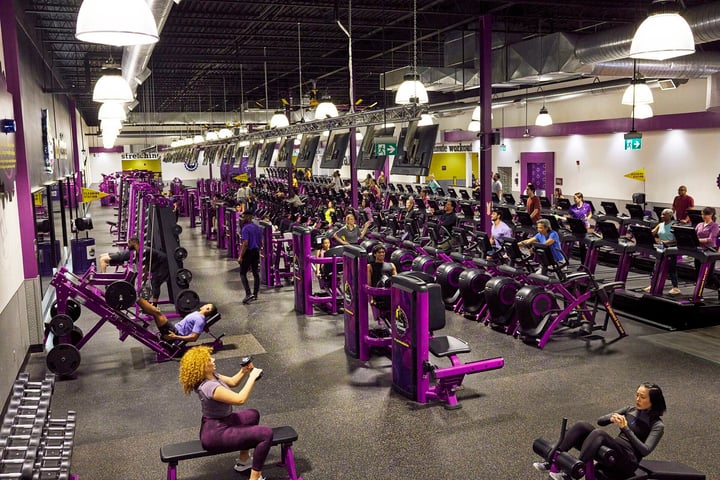
Community-focused fitness centers set a precedent for other fitness facilities in terms of community engagement and health promotion. Their success stories can inspire similar initiatives across regions, emphasizing the importance of accessible and inclusive fitness facilities.
Encouraging Policy Change
The positive impact of fitness centers like these can encourage policymakers to prioritize health and wellness in urban planning and public policy. By advocating for more accessible fitness facilities and promoting physical activity, these centers can influence broader societal changes.
Conclusion
Community-focused fitness centers have become integral parts of many communities, contributing to the physical, mental, and social well-being of their members. Their role in promoting physical activity, reducing stress and anxiety, and fostering community cohesion cannot be overstated. As these centers continue to grow and evolve, they serve as a testament to the power of fitness facilities in transforming lives and communities.
The success of community-focused fitness centers underscores the importance of accessible and inclusive fitness facilities. It is imperative that such centers are supported and replicated in other communities to ensure that everyone has the opportunity to lead a healthy and fulfilling life. Future research should focus on the long-term impact of fitness centers on community health and wellness, as well as the best practices for creating and maintaining successful fitness facilities.